- HOME
- Evening Triggers and Urges
- What to Do When You Feel Like Drinking
What Do I Do When I Feel Like Drinking Again?

Written by Susan — Quit drinking at 37 • Sober since 1998 • Sharing what actually works
Written by Susan — Quit drinking at 37 • Sober since 1998 • Sharing what actually works
If you’ve ever found yourself thinking what do I do when I feel like drinking again, rest assured it's a common thought, and you’re not alone. That moment can feel very real, very immediate, and often harder than anything you felt earlier in the day.
The urge shows up, and suddenly it feels like everything depends on what you do next.
✅ Quick Answer: What do I do when I feel like drinking again?
When you feel like drinking again, the most effective approach is to pause, recognize the moment for what it is, and shift your response instead of reacting automatically. The goal isn’t to fight the urge — it’s to interrupt the pattern either with a grounding technique (explained below) or the use of a somatic marker memory.
🎙️ Want to hear the podcast hosts’ take?
The podcast conversation explores this topic from another perspective.
Jump to the podcast episode.
What Do I Do When I Feel Like Drinking Again?
So what actually works in that moment, when the urge shows up?
This is where everything you’ve noticed so far starts to come together.
Because by the time you’re asking this question, you’re already in the moment — and that moment needs a different kind of response.
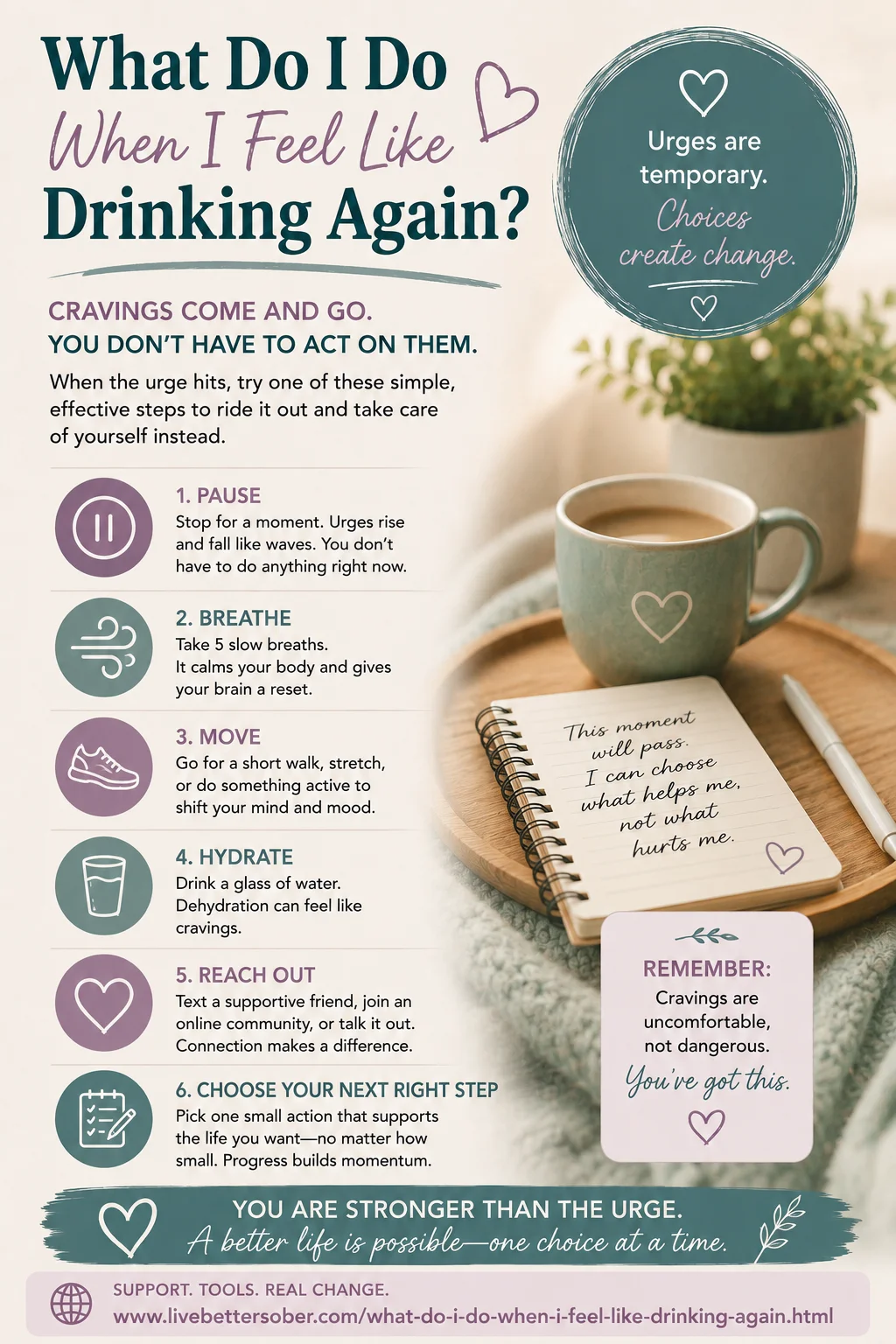
Do THIS Right Now...
Do not fight the urge. Recognize you had the urge, like when your hand is on the refrigerator door — or — you've grabbed a glass off the shelf. This is the moment when you stop — and think.
Some people use a simple grounding pattern-interrupt: pressing a thumb or finger firmly into the palm to create a noticeable physical sensation. That sensation can disrupt the automatic routine long enough to pause, breathe, and choose differently.
The physical sensation competes for attention with the craving. The sensation of your finger or thumb pressing into your palm acts as a sensory shift that can slow the momentum.
What worked for me...
I always used a somatic marker. That took away the urge to drink right away. Just a simple recollection of an unpleasant "drinking memory" was enough to "make me think twice" about taking that drink.
Even a few seconds is enough to create space between you and the automatic response.
You’re Not Trying to Win — You’re Trying to Break the Routine
This isn’t about proving anything.
It’s about breaking the pattern.
That means:
- noticing what’s happening
- recognizing the familiar feeling
- choosing not to follow the same path
👉 even if it feels uncomfortable
This Is Where Somatic Markers Help Most
Somatic markers are "everything" to me. Why? When that moment shows up, you don’t want to rely on willpower alone.
You want something real to refer back to.
That’s what somatic markers give you.
👉 a reminder of what drinking actually leads to
👉 not just the first drink, but everything after it
Inside my course, you’ll learn exactly how to use this properly — so you’re not trying to figure it out in real time.
If you want to understand the idea behind this more clearly, this somatic marker hypothesis explains how past experiences shape decisions in the moment.
Give Yourself Something Else to Do (But Keep It Simple)
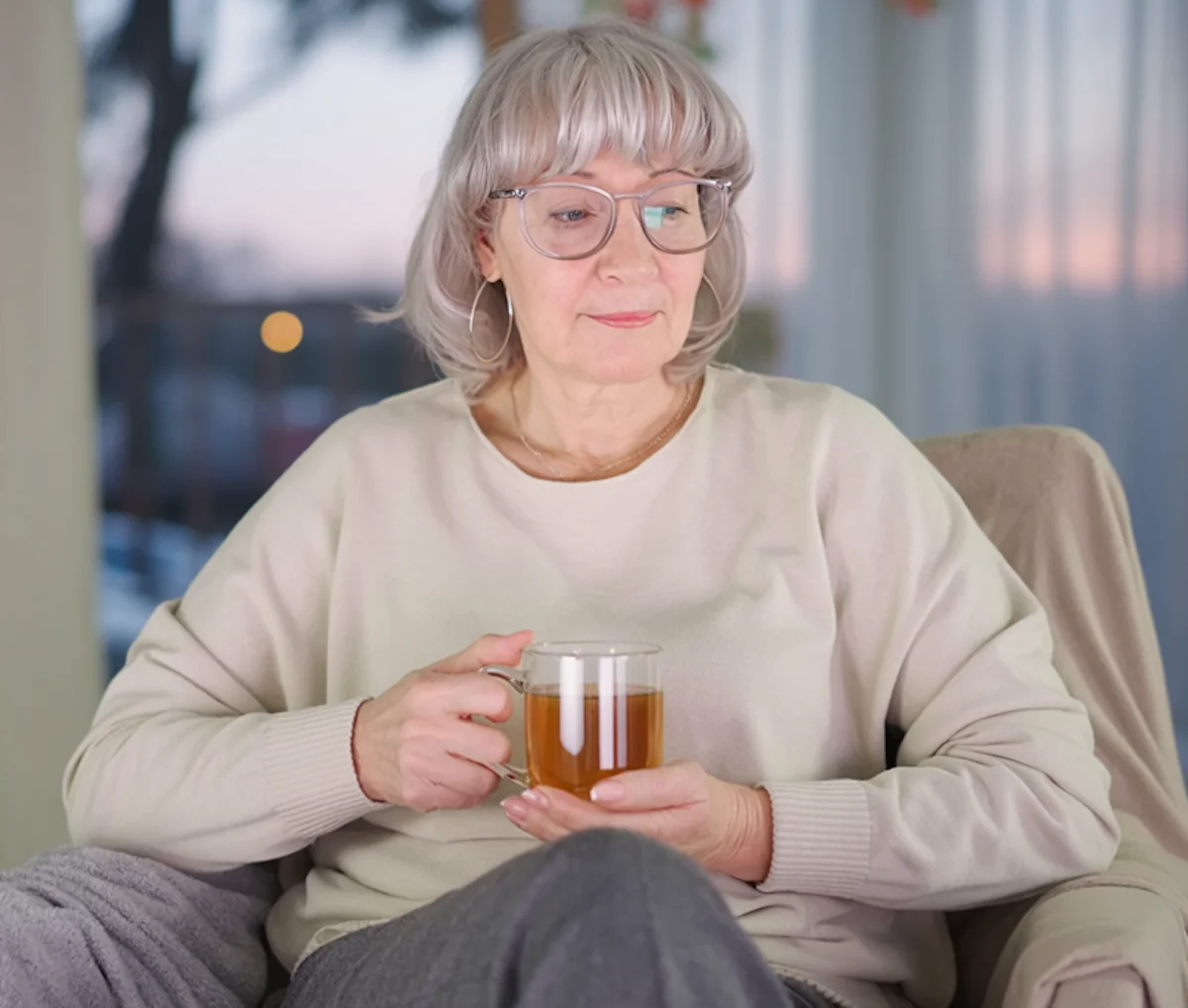
You don’t need a big plan.
You just need something that shifts the moment.
That could be:
- making a cup of tea
- sitting somewhere different
- picking up something simple to do
The goal is not distraction.
👉 It’s to change course
Why This Moment Feels So Important
It feels like everything depends on this moment.
And in a way, it does.
But not because it’s a test of willpower.
👉 It’s that moment where a pattern can either repeat itself — or be broken
What to Expect in That Moment
That moment can feel stronger than you expect, even if you were feeling fine earlier.
You might notice a shift in your thinking, where the idea of drinking suddenly feels more appealing — or harder to dismiss.
You might also feel a quiet pull toward what’s familiar — not because you’ve decided anything, but because your brain is simply returning to its familiar pattern.
That’s part of how this works.
Your brain narrows your focus to the immediate moment and makes everything else feel less important.
Recognizing that shift, even briefly, gives you a chance to step out of it.
Let's face it, a glass with alcohol in it doesn't just appear magically in your hand.
There’s always a moment where the decision begins — and this is your chance to alter the outcome.
And that small moment of awareness is often enough to change what happens next.
If You Slip, It Doesn’t Undo Everything
This part matters.
If you do end up drinking, it doesn’t erase what you’ve already started to understand.
It just means:
👉 the pattern wasn’t broken this time
And that’s something you can learn from. Revisit your list of somatic markers. Doing that often strengthens your resolve!
This Gets Easier — But Not Automatically
The more you recognize the moment, the more control you gain.
Not instantly.
But gradually.
Each time you:
- pause
- notice
- choose differently
👉 you weaken the pattern
That moment when you feel like drinking again isn’t the problem — it’s the opportunity. It’s the point where something different can happen. And once you start responding to it differently, even in small ways, the pattern begins to lose its grip.
If you’re wondering what it means if you do slip, the next page explains it clearly:
Want the Podcast Version of this Page?
Want to go deeper? The podcast version of this page explores these ideas in a more conversational and reflective way. You can listen to it below.
Continue Exploring Evening Triggers and Urges
If your evenings seem to run on autopilot, you're not alone. These articles help you understand the evening triggers, habit loops, and automatic patterns that make nightly drinking feel so difficult to change. Each page offers practical, shame-free strategies to help you interrupt old routines and build healthier evening habits, one day at a time.
→ Browse all Evening Triggers and Urges articles
Ready for More Support?
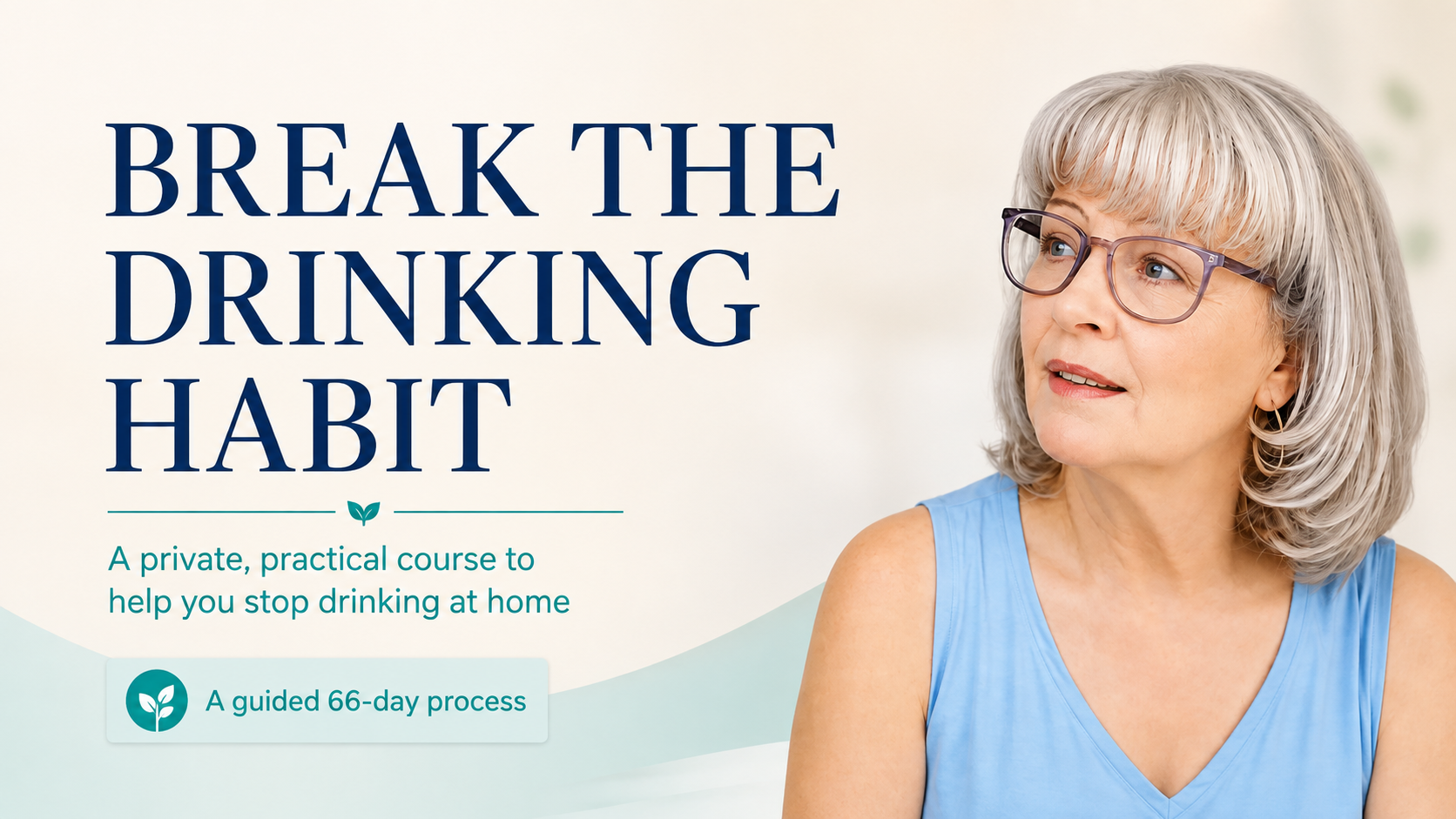
Explore Live Better Sober: Quit Drinking — Break the Alcohol Habit, a practical, shame-free 66-day course designed to help you recognize and interrupt the pattern behind your evening drinking.
➡️ Learn more about the course here: Break the Nightly Drinking Habit
Frequently Asked Questions About Drinking Urges
What should I do immediately when I feel like drinking?
What should I do immediately when I feel like drinking?
Pause, recognize the moment, and avoid reacting automatically.
Why is the urge so strong in that moment?
Why is the urge so strong in that moment?
Because it’s tied to a repeated pattern your brain expects to follow.
Will this get easier over time?
Will this get easier over time?
Yes. The more you disrupt the pattern, the weaker it becomes.
Evening Triggers and Urges
What to Do Instead of Drinking at Night
What to do instead of drinking at night when cravings hit? Simple ways to relax, unwind, and break the habit.
Why Drinking Feels Like a Reward After Work
Why drinking feels like a reward after work often has more to do with habit and relief than alcohol itself.
After-Work Drinking Trigger Plan
After-work drinking trigger plan to interrupt the nightly habit loop, protect your evening transition, and build sober momentum.
I'm Susan, creator of Live Better Sober, and in January 2028 I'll celebrate 30 years alcohol-free.
Everything on this site comes from my own experience.
I hope that by sharing what I've learned, I can help you break the nightly drinking habit, rediscover yourself, and live better sober, too.
I'm Susan, creator of Live Better Sober, and in January 2028 I'll celebrate 30 years alcohol-free.
Everything on this site comes from my own experience.
I hope that by sharing what I've learned, I can help you break the nightly drinking habit, rediscover yourself, and live better sober, too.
Stay Connected with Live Better Sober
Get new articles, personal stories, podcasts, and practical ideas to help make sober evenings easier.
No lectures. No labels. Just useful support from someone who's been there.


NEWSLETTER
HOME ABOUT CONTACT DISCLAIMER PRIVACY TERMS
FOLLOW US ON:



|
|
|
|
|
SEARCH THIS SITE
LIVE BETTER SOBER IS BASED ON SUSAN GAST'S PERSONAL EXPERIENCE WITH QUITTING ALCOHOL AND LONG-TERM SOBRIETY.
ALL CONTENT COPYRIGHT © 2026 LIVE BETTER SOBER BY SUSAN GAST • ALL RIGHTS RESERVED REGARDLESS OF LINKS OR ATTRIBUTIONS.
POWERED BY SBI! (SOLO BUILD IT!)
