- HOME
- Why Relapse Keeps Happening
- Why You Keep Going Back
Why Do I Keep Going Back to Drinking Again?
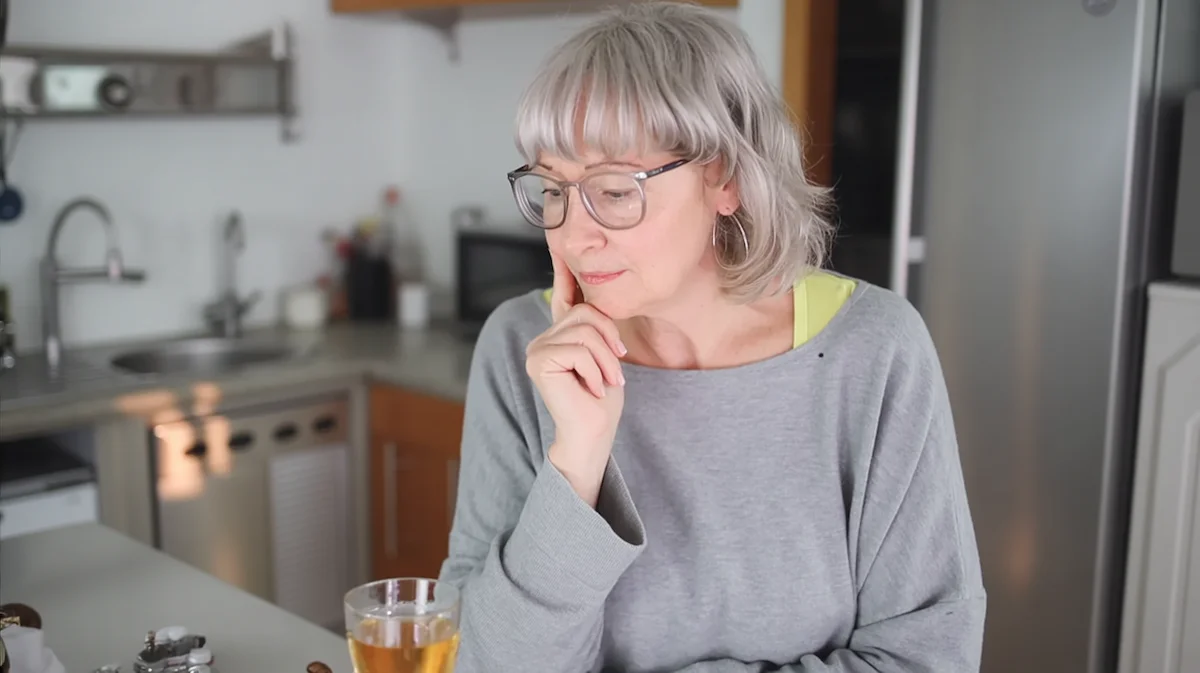

Written by Susan — Quit drinking at 37 • Sober since 1998 • Sharing what actually works
Written by Susan — Quit drinking at 37 • Sober since 1998 • Sharing what actually works
If you’ve ever found yourself asking, "why do I keep going back to drinking?" you’re not alone. You can go a few days — sometimes longer — feeling like you’ve got it under control, only to find yourself right back where you started. That back-and-forth can feel confusing, frustrating, and even a little defeating.
✅ Quick Answer: Why do I keep going back to drinking?
You keep going back to drinking because the habit is tied to routines, emotional relief, and learned patterns that repeat automatically. Even when you consciously want to stop, those patterns can override intention — until you understand and interrupt them.
🎙️ Want to hear the podcast hosts’ take?
The podcast conversation explores this topic from another perspective.
Jump to the podcast episode.
Why Do I Keep Going Back to Drinking?
Based on my own experience of being alcohol-free for nine whole months (prior to my final success of approaching 30 years), I had decided that I had "this thing licked." I was cured.
Thing is, there is no "cure" for alcoholism. You either drink, or you don't.
And I thought, "One drink won't hurt."
It did. It set me back another couple of years.
When we relapse, it often arises after a tough day, so we want relief, comfort, or escape.
Or surprisingly (or not!) a relapse can happen after a really good day, and "celebration" comes to mind.
We've trained our brains to reward us when things go either way.
It’s Not Just a Lack of Willpower
This is where most people go wrong.
They assume:
- they’re weak
- they lack discipline
- they just need to “try harder”
👉 That’s not what’s happening
What you’re dealing with is a pattern that’s been reinforced over and over again.
You’re Running a Familiar Pattern
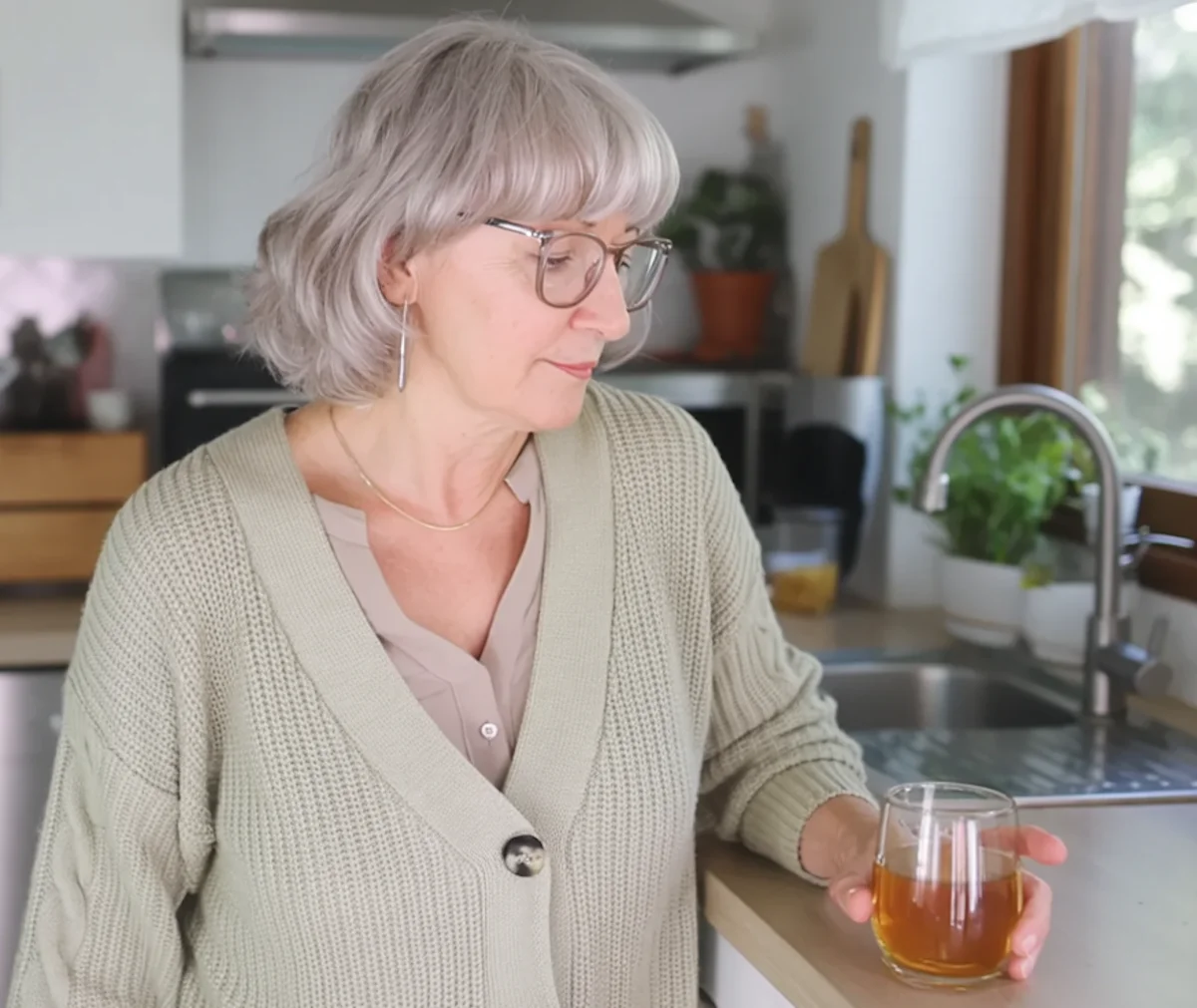
Think about how it usually plays out.
- The day ends
- You feel a certain way (tired, bored, stressed)
- The urge appears
- You act on it
👉 Not because you carefully decided to
👉 But because it’s what you’ve done before
And until you make a real decision to stop, the pattern usually repeats.
Why It Feels Like It “Just Happens”
After enough repetition, the process becomes expected. You’re not weighing pros and cons anymore.
You’re just following a path your brain already knows.
👉 That’s why it can feel like: “I didn’t even think about it—I just did it”
The difficult part is that these moments often don’t feel dramatic beforehand.
They feel ordinary.
You finish work. The evening starts.
Your brain recognizes the situation before you consciously realize what’s happening.
And before you know it, the urge already feels familiar.
What To Do When The Pattern Starts
If a relapse happens more than a couple of times, you need to be honest with yourself and dig deep.
Ask yourself: are your reasons to quit drinking stronger than the excuses your brain comes up with to keep drinking?
Sometimes the first interruption is simply pausing long enough to recognize the pattern before acting on it.
The Part Most People Don’t See
What’s keeping the cycle going isn’t just the action — it’s the payoff.
Even if it’s temporary, that drink may be giving you:
👉 Until something replaces that, the pattern keeps repeating
Why You Can Go Days… Then Slip
This is where it gets interesting.
You might:
- go a few days
- feel like you’re doing well
- think you’ve got it under control
Then suddenly…
👉 you’re right back in it
That’s not random.
👉 It’s the same pattern reactivating under familiar conditions — whether it’s a bad day, a good day, stress, boredom, or simply habit.
Why It Keeps Catching You Off Guard
One of the most frustrating parts of this pattern is how it can seem to come out of nowhere.
You might feel fine earlier in the day. You might even feel confident that you’re not going to drink.
Then something shifts.
Suddenly, the thought appears, and it feels familiar. Almost expected.
That’s because your brain has learned to associate certain moments with drinking.
It’s not random. It’s not a failure.
It’s a learned response that has been reinforced over time.
👉 And anything that has been learned can be 'unlearned.'
You’re Missing a Key Tool Most People Never Use
This is the part most people don’t even realize they’re missing.
They try to rely on willpower, distraction, or just “getting through the evening.” And sometimes that works — for a while.
But when the same moment shows up again, they’re left dealing with it in real time, without anything solid to fall back on.
That’s where a simple but powerful tool comes in — something I use myself and teach in my course.
It’s called somatic markers.
You don’t need to understand them fully right now. In simple terms, somatic markers are emotional memories your brain can use to interrupt automatic behavior before you act on it.
What matters is this:
👉 they give you something real to refer back to in the moment, instead of relying on willpower alone
Inside the course, you’ll learn exactly what somatic markers are and how to use them properly — so when that familiar moment shows up, you’re not starting from scratch.
At Some Point, This Becomes a Decision
There’s a moment in all of this that matters more than anything else.
- Not at the start of the day
- Not when you say “I won’t drink today”
👉 But in the moment when the option to drink is right in front of you
That’s where it shifts from:
-
habit
to - decision
Over time, this pattern can start to feel predictable, even if you don’t consciously recognize it right away. The same thoughts, the same feelings, and the same timing tend to show up again and again.
Once you begin to notice that, something shifts. You’re no longer just reacting — you’re starting to see what’s actually happening.
If this is starting to make sense, the next step is understanding why this pattern often shows up at the same time again and again.
Why Do I Relapse at the Same Time Again?
You’re not stuck because you’re weak — you keep going back because, in the moment, drinking still feels like it works. Once you start to see that clearly, the pattern stops feeling mysterious. And when it’s no longer mysterious, it becomes something you can actually change.
Want the Podcast Version of this Page?
Want to go deeper? The podcast version of this page explores these ideas in a more conversational and reflective way. You can listen to it below.
Continue Exploring Why Relapse Keeps Happening
If you've stopped drinking before but found yourself slipping back into old habits, you're not alone. These articles explore why relapse happens, what you can learn from it, and how to move forward with greater confidence and self-understanding.
→ Browse all Why Relapse Keeps Happening articles
Ready for More Support?
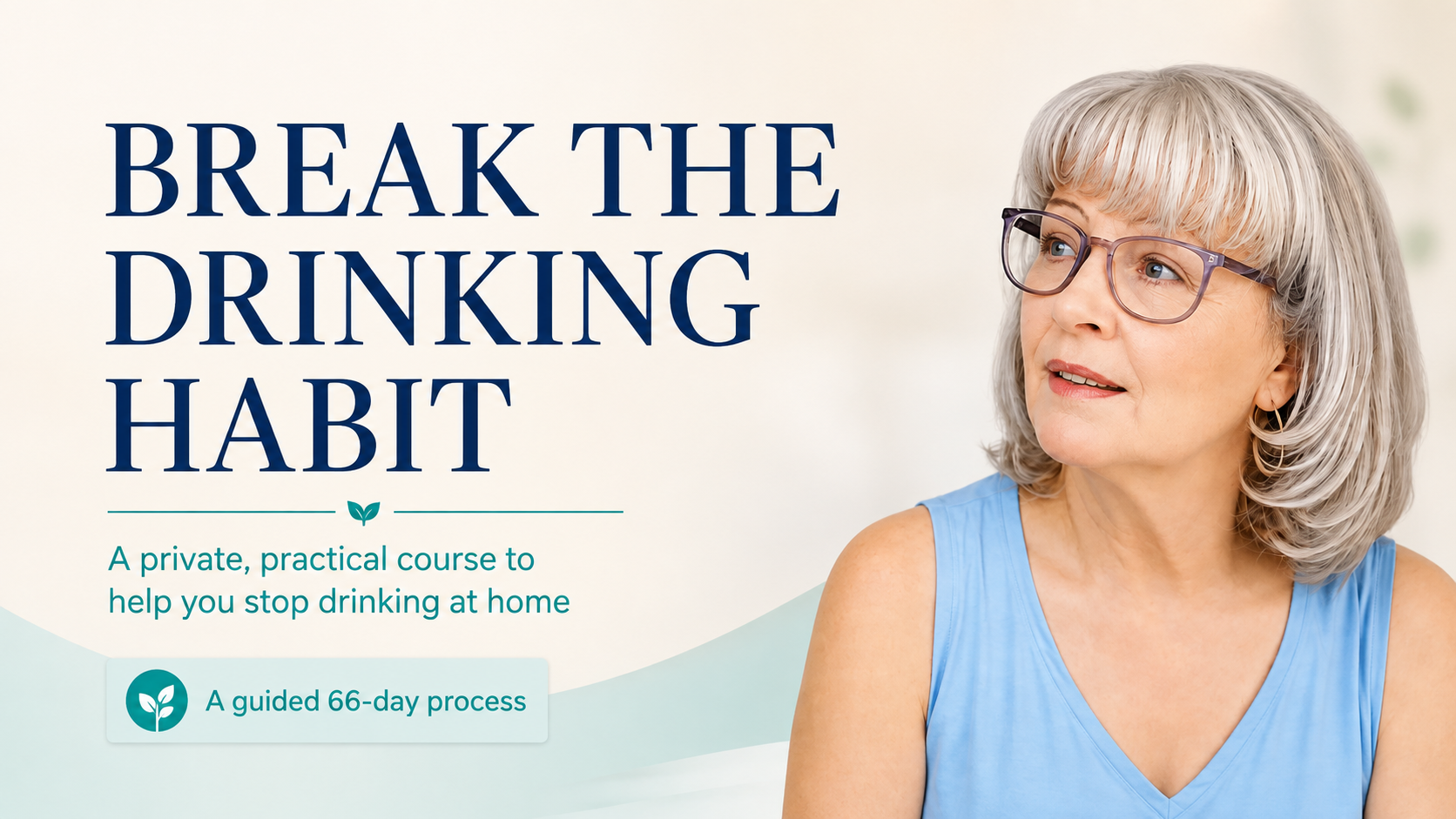
Explore Live Better Sober: Quit Drinking — Break the Alcohol Habit, a practical, shame-free 66-day course designed to help you recognize and interrupt the pattern behind your evening drinking.
➡️ Learn more about the course here: Break the Nightly Drinking Habit
Frequently Asked Questions
Why do I keep going back to drinking even when I want to stop?
Why do I keep going back to drinking even when I want to stop?
Because the habit is tied to repeated patterns and emotional rewards that override intention in the moment.
Why does it feel automatic?
Why does it feel automatic?
Because repetition trains your brain to follow the same sequence without conscious effort.
Does this mean I have no control?
Does this mean I have no control?
No. It means you haven’t interrupted the pattern yet — but that’s something you can learn to do.
Why Relapse Keeps Happening
Why Do I Relapse at the Same Time Again?
Why do I relapse at the same time? Learn why patterns like Day 7 or Day 10 keep repeating.
Why Do I Keep Drinking Again on Day Three?
Why do you keep drinking again on Day Three? Understand the repeating pattern, the “just one” thought, and how to prepare before it returns.

I'm Susan, creator of Live Better Sober, and in January 2028 I'll celebrate 30 years alcohol-free.
Everything on this site comes from my own experience.
I hope that by sharing what I've learned, I can help you break the nightly drinking habit, rediscover yourself, and live better sober, too.
I'm Susan, creator of Live Better Sober, and in January 2028 I'll celebrate 30 years alcohol-free.
Everything on this site comes from my own experience.
I hope that by sharing what I've learned, I can help you break the nightly drinking habit, rediscover yourself, and live better sober, too.
Stay Connected with Live Better Sober
Get new articles, personal stories, podcasts, and practical ideas to help make sober evenings easier.
No lectures. No labels. Just useful support from someone who's been there.


NEWSLETTER
HOME ABOUT CONTACT DISCLAIMER PRIVACY TERMS
FOLLOW US ON:



|
|
|
|
|
SEARCH THIS SITE
LIVE BETTER SOBER IS BASED ON SUSAN GAST'S PERSONAL EXPERIENCE WITH QUITTING ALCOHOL AND LONG-TERM SOBRIETY.
ALL CONTENT COPYRIGHT © 2026 LIVE BETTER SOBER BY SUSAN GAST • ALL RIGHTS RESERVED REGARDLESS OF LINKS OR ATTRIBUTIONS.
POWERED BY SBI! (SOLO BUILD IT!)
