- HOME
- Susan's Stories
- Stopped Drinking at 37
Why I Stopped Drinking at 37 - The Wake-Up Call I Needed
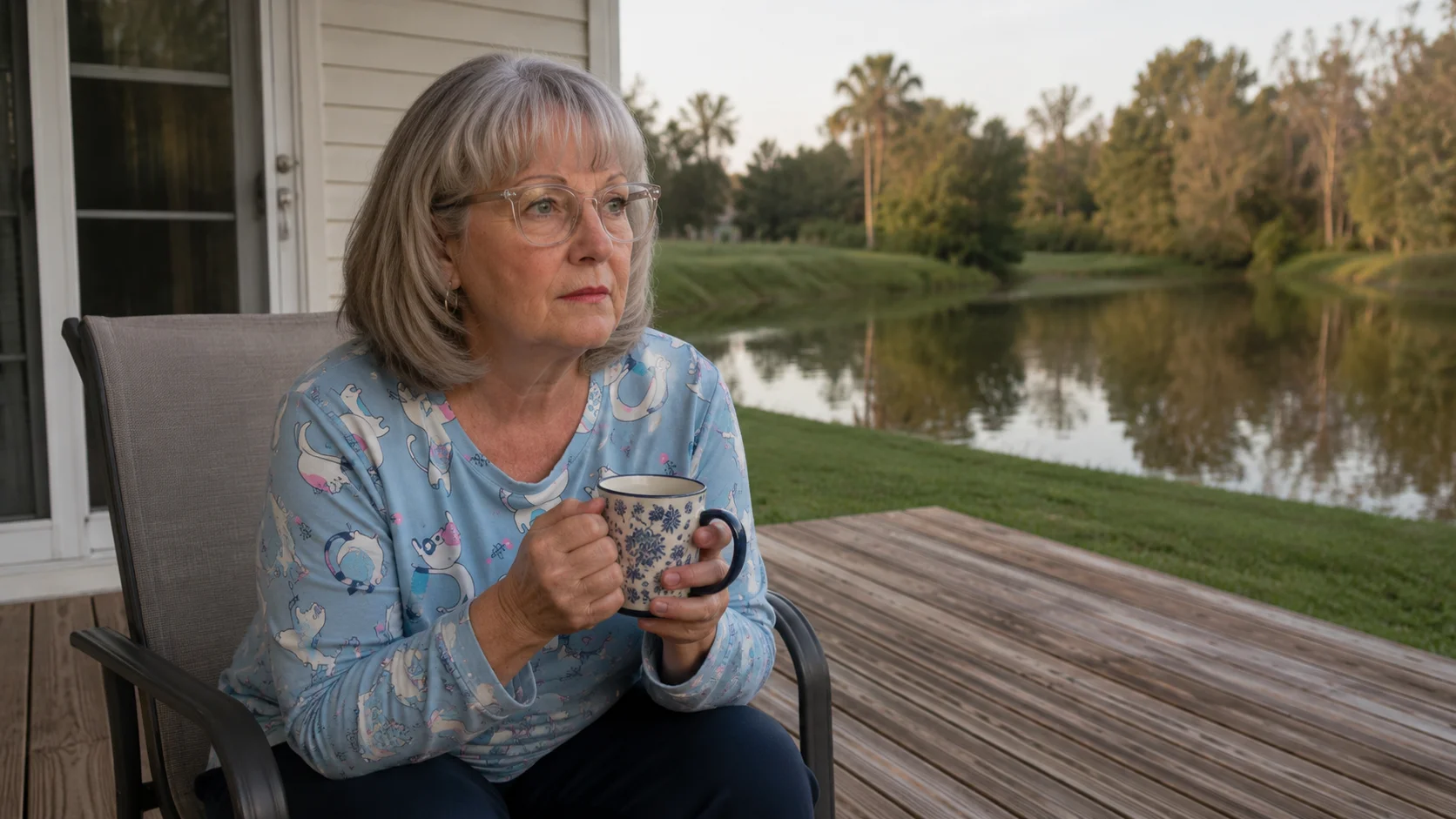

Written by Susan — Quit drinking at 37 • Sober since 1998 • Sharing what actually works
Written by Susan — Quit drinking at 37 • Sober since 1998 • Sharing what actually works
Why I stopped drinking at 37 wasn't because I suddenly became wiser or discovered some secret to sobriety. In fact, I was doing exactly what I'd done countless times before.
My 38th birthday was only a few days away, and I was already finding reasons to celebrate.
Looking back, I didn't really need a reason to drink. But birthdays, holidays, weekends, stressful days, good days, and bad days all seemed to provide convenient excuses.
The night before January 17, 1998 was no different.
🎙️ Want to hear the podcast hosts’ take?
The podcast conversation explores this topic from another perspective.
Jump to the podcast episode.
The Wake-Up Call I Couldn't Ignore
People often assume there must be one dramatic moment that causes someone to quit drinking forever.
For me, there was.
But it probably wasn't the kind of rock bottom most people imagine.
I didn't lose my job.
I wasn't arrested.
I didn't lose my home.
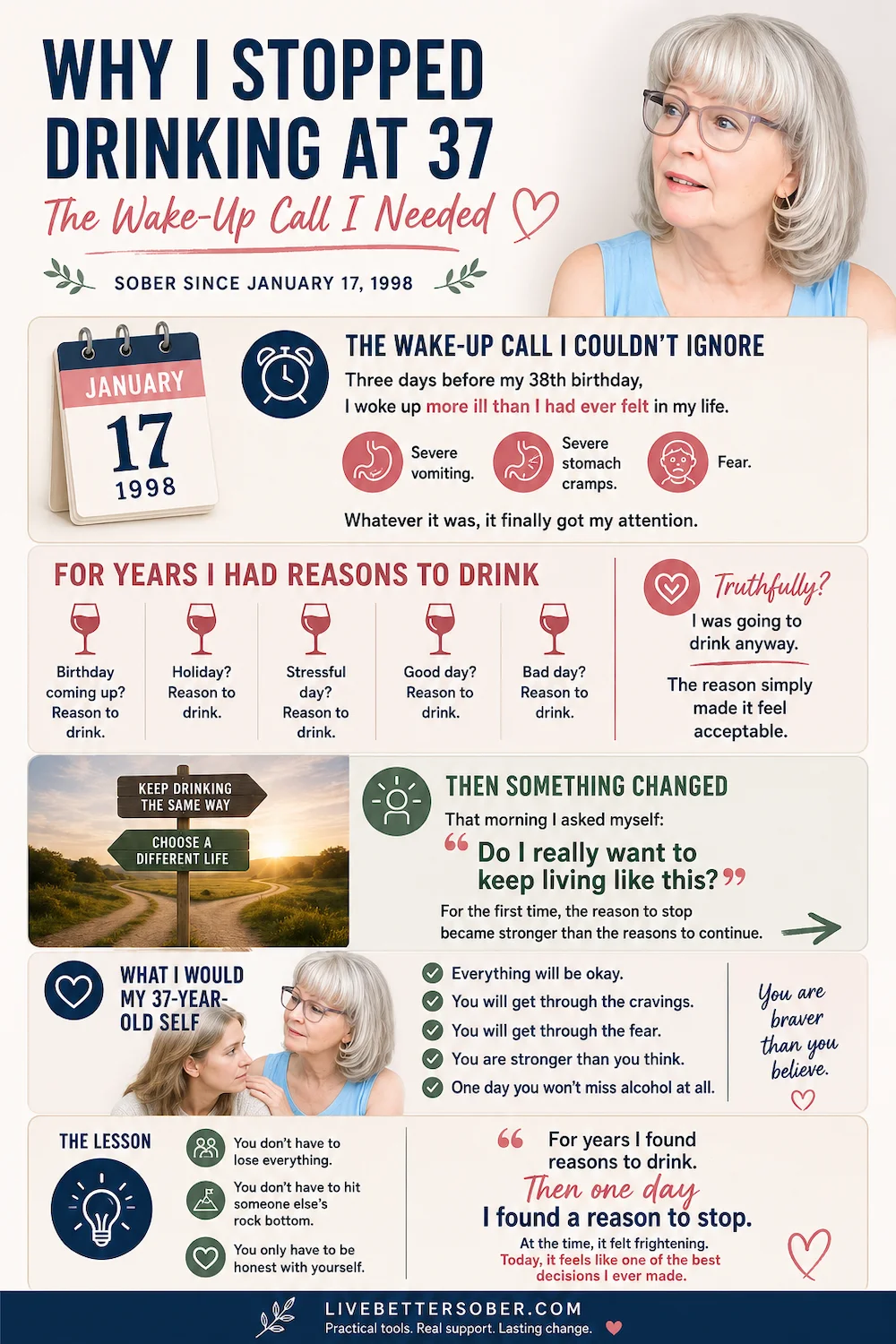
I simply woke up one morning feeling more ill than I had ever felt in my life.
At the time, I was living alone in a small home overlooking a peaceful pond. It should have been a happy time. Three days later I would turn 38 years old. Instead, I found myself violently ill with severe vomiting, diarrhea, stomach cramps, and a level of sickness that genuinely scared me.
To this day, I suspect it may have been alcohol poisoning or some kind of severe reaction to years of drinking.
Whatever it was, it got my attention.
I Didn't Need a Reason to Drink - But I Always Had One
One thing I understand now about my drinking is this. I never seemed to run out of reasons.
If my birthday was coming up, that was a reason. If somebody else's birthday was coming up, that was a reason. If it was Friday, that was a reason. If it was a holiday, that was a reason. If I'd had a stressful day, that was definitely a reason.
The funny thing is that I didn't actually need a reason at all. I was going to drink anyway.
But somehow having a reason made it feel more acceptable. Less guilty. At least that's what I told myself.
I think a lot of drinkers do this.
We convince ourselves there's always a reason to drink, when the real reason is simply that we want to.
My Christmas Memory
One Christmas stands out in my memory even now.
At the time, I was living on five acres in a tiny home. A Christmas luncheon was planned for noon, and that morning I'd been outside running around the property trying to get some exercise. I came back in, got showered, cleaned up, and decided I'd have a glass of sherry.
It was only around ten o'clock in the morning. I knew Christmas lunch would be served at noon. I also knew myself very well...
One glass was never really one glass.
After five glasses of sherry... I fell asleep on the bed. I completely missed the Christmas meal. The whole thing. While everyone else was enjoying the get-together, I was passed out.
Afterwards, I probably laughed it off or made excuses. Funnily enough, my whole family were silent about it - I don't remember anyone saying anything about it.
They'd seen it before.
Years later, it's one of those memories that sticks with you.
Not because it was the worst thing that ever happened. Because it wasn't.
It's because moments like that quietly show you how much control alcohol has already taken.
When drinking causes you to miss things that matter, even special occasions, it's hard to pretend everything is fine.
Of course, I still kept drinking.
For years.
But those memories never completely disappeared.
What I Know Now That I Didn't Know Then
Sometimes I imagine sitting down with the frightened 37-year-old woman I was in January 1998.
She's scared.
She's been horribly sick.
She's wondering if she can really do this.
And she's terrified by the thought that she might never drink again.
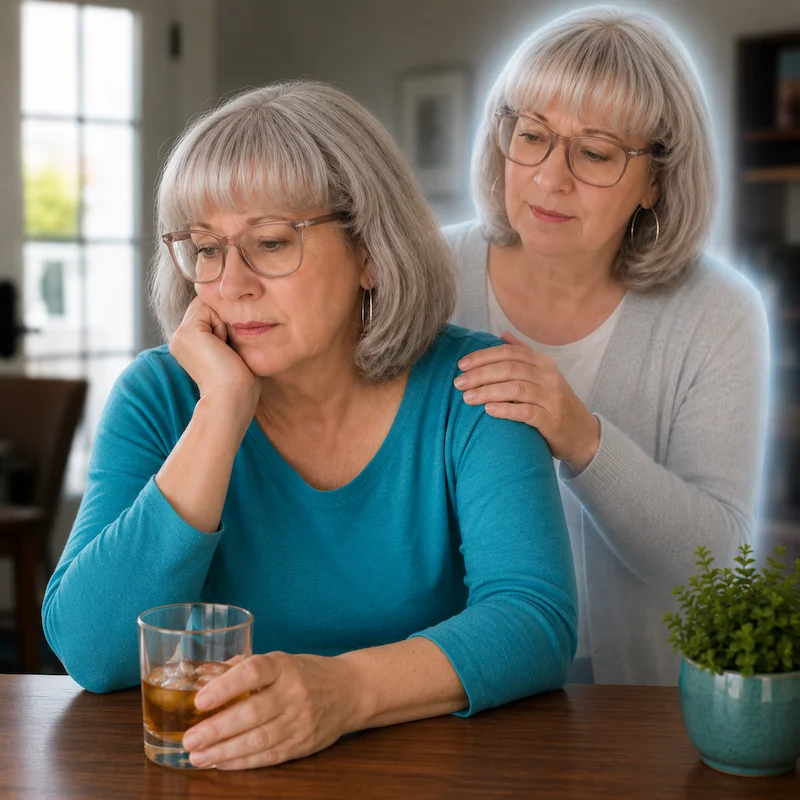
If I could put my hand on her shoulder, I'd tell her this:
- Everything will be okay.
- You will get through the fear.
- You will get through the cravings.
- You will get through the uncertainty.
- You will discover that you are far stronger than you think you are right now.
The thing you're frightened of losing will eventually become the thing you no longer want. One day, you won't miss alcohol at all.
You'll wake up clear-headed.
You'll trust yourself again.
You'll stop organizing your life around drinking.
And you'll wonder why you waited so long.
Most importantly, you'll look back on this moment with gratitude. Not because being sick was pleasant. Not because hitting your personal rock bottom was enjoyable.
But because it finally gave you the wake-up call you needed.
Nearly thirty years later, I can honestly say I'm grateful that it happened.
Without it, I might still be stuck in that same cycle.
Today, I understand that the reason I stopped drinking at 37 had very little to do with willpower and everything to do with finally being ready to change.
My Rock Bottom Won't Look Like Yours
When people ask me why I stopped drinking at 37, they're often surprised that my story isn't more dramatic.
My "rock bottom" was waking up horribly ill three days before my 38th birthday.
Your rock bottom may look completely different.
That's because there isn't one universal moment that makes people stop drinking.
- Some people quit after a DUI
- Some quit after a car accident
- Some quit after losing a job or damaging an important relationship
Others simply become exhausted by the endless cycle of promising themselves they'll stop tomorrow — and then drinking again that night. The event itself isn't the important part. The important part is the connection you make afterwards.
For me, that connection came after becoming so violently ill that I never wanted to go through it again.
For someone else, it may be a conversation, a health scare, an embarrassing moment, or a realization that arrives quietly one morning.
What matters is that something finally cuts through all the excuses.
Something finally makes you stop and ask yourself:
"Do I really want to keep living like this?"
For years, I found reasons to keep drinking.
Then one day, I found a reason to stop.
All these years later, I'm glad that I listened.
At the time, it felt frightening.
Today, it feels like one of the best decisions I ever made.
If you're reading this and wondering whether your own drinking has become a problem, try not to compare your story to mine or anyone else's.
You don't have to wait for your life to fall apart.
You don't have to prove that your drinking is "bad enough."
You only have to be honest with yourself.
For me, that honesty arrived after the most frightening drinking experience of my life.
It changed the rest of my life.
And if you're standing at a similar crossroads, perhaps your moment is closer than you think.
Looking Back Nearly 30 Years Later
Three decades later, I can clearly see why I stopped drinking at 37.
Understanding why I drank for two decades took much longer.
At that point, all I knew was that I couldn't carry on the way I was. It would be years before I started examining the deeper reasons alcohol had become such a big part of my life.
One of those reasons was shyness.
Back then, I believed alcohol gave me confidence, helped me fit in, and made social situations easier. Today, I see things rather differently.
Since quitting drinking, I've spent years learning about habits, triggers, and what it really takes to create lasting change.
Those lessons eventually became the foundation of my course. See more below.
Want the Podcast Version of this Page?
Want to go deeper? The podcast version of this page explores these ideas in a more conversational and reflective way. You can listen to it below.
Continue Reading Susan's Story
If this story resonated with you, you may enjoy reading more about my own journey from nightly drinking to lasting sobriety. Each story shares a different lesson, challenge, or turning point that helped me build the alcohol-free life I have today.
→ Browse all of Susan's Stories
Ready for More Support?
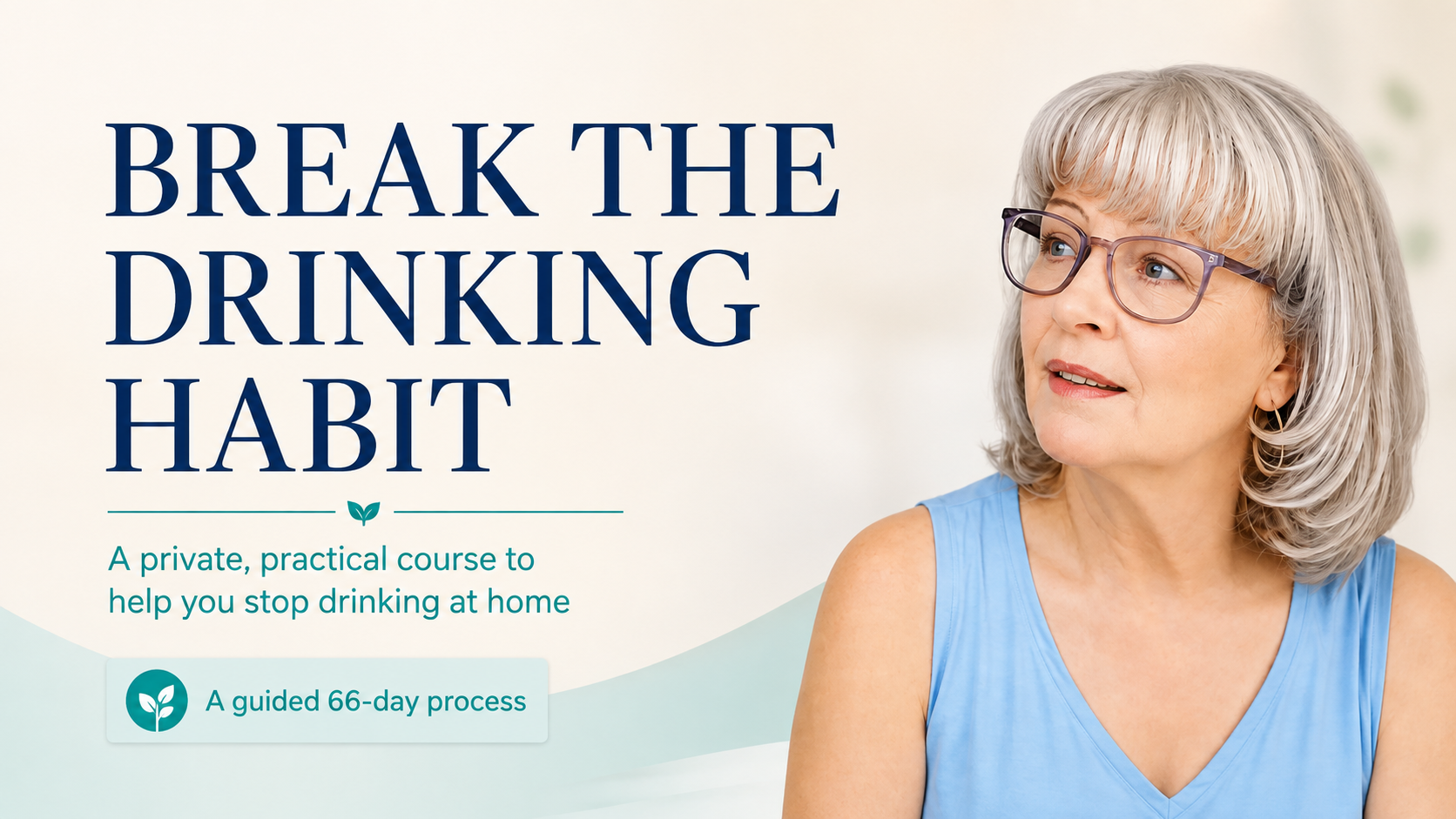
Explore Live Better Sober: Quit Drinking — Break the Alcohol Habit, a practical, shame-free 66-day course designed to help you recognize and interrupt the pattern behind your evening drinking.
➡️ Learn more about the course here: Break the Nightly Drinking Habit
Susan's Stories
I Drank Because I Was Shy - Looking Back After 30 Years
I drank because I was shy—or so I thought. Looking back, I can see there were many reasons alcohol became my confidence crutch.
The Drunk Version Wasn't the Real Me After All
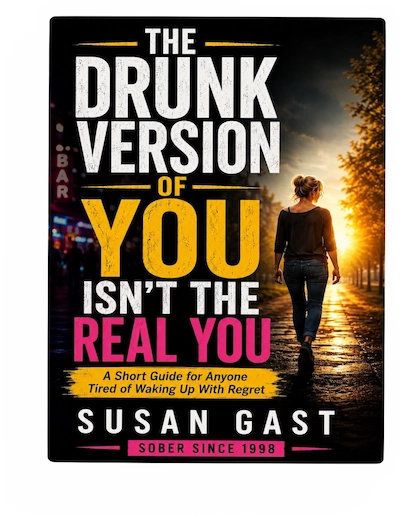
Drunk version wasn't the real me. Looking back, I can see alcohol often hid my true personality instead of revealing it.
Drinking Alone Meant Nobody Saw It Getting Worse
Drinking alone felt safer because nobody saw it. Looking back, Susan realized privacy gave her nightly drinking habit room to quietly grow.
Drinking Culture in Sports: Then and Now
Alcohol has long been part of sports culture, from British pubs to American tailgates. Here's how I see it now.

I'm Susan, creator of Live Better Sober, and in January 2028 I'll celebrate 30 years alcohol-free.
Everything on this site comes from my own experience.
I hope that by sharing what I've learned, I can help you break the nightly drinking habit, rediscover yourself, and live better sober, too.
I'm Susan, creator of Live Better Sober, and in January 2028 I'll celebrate 30 years alcohol-free.
Everything on this site comes from my own experience.
I hope that by sharing what I've learned, I can help you break the nightly drinking habit, rediscover yourself, and live better sober, too.
Stay Connected with Live Better Sober
Get new articles, personal stories, podcasts, and practical ideas to help make sober evenings easier.
No lectures. No labels. Just useful support from someone who's been there.


NEWSLETTER
HOME ABOUT CONTACT DISCLAIMER PRIVACY TERMS
FOLLOW US ON:



|
|
|
|
|
SEARCH THIS SITE
LIVE BETTER SOBER IS BASED ON SUSAN GAST'S PERSONAL EXPERIENCE WITH QUITTING ALCOHOL
AND LONG-TERM SOBRIETY.
ALL CONTENT COPYRIGHT © 2026 LIVE BETTER SOBER BY SUSAN GAST • ALL RIGHTS RESERVED REGARDLESS OF LINKS OR ATTRIBUTIONS.
POWERED BY SBI! (SOLO BUILD IT!)
