- HOME
- Explore Topics
Explore Live Better Sober Topics
You don’t have to read everything in order.
Explore the topics below based on what feels most relevant to you right now — whether that’s nightly drinking habits, breaking the alcohol routine, early sobriety emotions, or learning how to build a calmer alcohol-free life one step at a time.

Susan's Stories
Personal experiences, reflections, and lessons from my own journey from nightly drinking to enjoying an alcohol-free life.
Shame-Free First Steps
Start here if shame, self-criticism, or fear of failure have been keeping you stuck. Explore practical first steps toward changing your drinking without guilt or labels.
Why Nightly Drinking Sticks
Understand why nightly drinking habits become so difficult to change and what keeps the cycle going.
Starting to Stop
If you've been saying "I'll quit tomorrow," these articles explore what finally helps people move from thinking about change to taking action.
The Live Better Sober Approach
Discover the ideas and principles behind the Live Better Sober approach, including habits, self-trust, triggers, and lasting change.
Evening Triggers and Urges
Learn why drinking urges often appear at predictable times and how to interrupt the patterns that keep them coming back.
Why Relapse Keeps Happening
Understand common relapse patterns, recurring triggers, and what keeps people returning to drinking despite their best intentions.
Restarting After a Slip
A setback doesn't erase your progress. Explore practical ways to recover from a slip and keep moving forward.
Willpower is Not the Problem
Discover why drinking habits involve far more than willpower and why understanding the habit loop can make change easier.
Shame and Self-Trust
Explore the emotional side of changing drinking habits, rebuilding self-trust, and letting go of guilt and self-judgment.
Living Comfortably Sober
Learn how to build a rewarding alcohol-free life filled with confidence, connection, enjoyment, and personal growth.
Frequently Asked Questions
Is this based on willpower or strict rules?
Is this based on willpower or strict rules?
No. The Live Better Sober website and course focuses on understanding drinking habits and gradual behavioral change — not harsh rules or trying to “white-knuckle” your way through every evening.
Is this connected to AA?
Is this connected to AA?
No, it's not connected to AA. Live Better Sober is an independent approach focused on practical daily change, emotional awareness, and understanding how drinking habits develop over time.
Some people may also attend support groups, while others prefer a more private path. The goal here is to help people build a calmer, healthier relationship with alcohol in a realistic way.
What if I’ve tried to quit before?
What if I’ve tried to quit before?
Many people have.
Changing a long-standing drinking habit rarely happens perfectly the first time. Relapse, setbacks, and repeated attempts are often part of the process — not proof that change is impossible.
What matters most is continuing to learn, understand the pattern more clearly, and keep moving forward.
Is Live Better Sober a course or a website?
Is Live Better Sober a course or a website?
Both.
Live Better Sober: Quit Drinking — Break the Alcohol Habit is a structured 66-day course designed to help people gradually change the nightly drinking habit one day at a time.
This website also includes articles, podcasts, videos, and practical guidance to support that journey.
Who is this designed for?
Who is this designed for?
Live Better Sober was created primarily for people who feel stuck in a nightly drinking pattern and want a more grounded approach to change — without overwhelming pressure or all-or-nothing expectations.
Frequently Asked Questions
Is this based on willpower or strict rules?
Is this based on willpower or strict rules?
No. The Live Better Sober website and course focuses on understanding drinking habits and gradual behavioral change — not harsh rules or trying to “white-knuckle” your way through every evening.
Is this connected to AA?
Is this connected to AA?
No, it's not connected to AA. Live Better Sober is an independent approach focused on practical daily change, emotional awareness, and understanding how drinking habits develop over time.
Some people may also attend support groups, while others prefer a more private path. The goal here is to help people build a calmer, healthier relationship with alcohol in a realistic way.
What if I’ve tried to quit before?
What if I’ve tried to quit before?
Many people have.
Changing a long-standing drinking habit rarely happens perfectly the first time. Relapse, setbacks, and repeated attempts are often part of the process — not proof that change is impossible.
What matters most is continuing to learn, understand the pattern more clearly, and keep moving forward.
Is Live Better Sober a course or a website?
Is Live Better Sober a course or a website?
Both.
Live Better Sober: Quit Drinking — Break the Alcohol Habit is a structured 66-day course designed to help people gradually change the nightly drinking habit one day at a time.
This website also includes articles, podcasts, videos, and practical guidance to support that journey.
Who is this designed for?
Who is this designed for?
Live Better Sober was created primarily for people who feel stuck in a nightly drinking pattern and want a more grounded approach to change — without overwhelming pressure or all-or-nothing expectations.
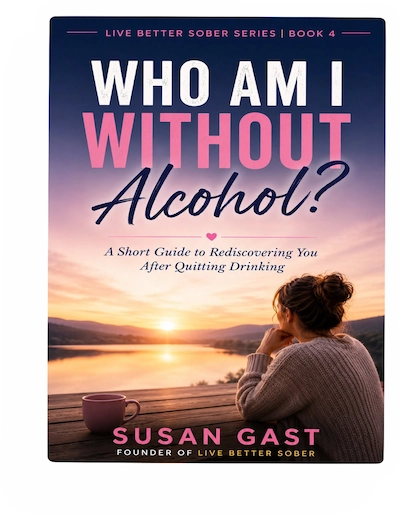
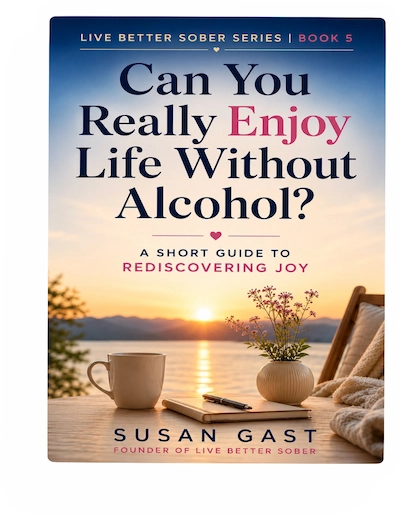
Stay Connected with Live Better Sober
Get new articles, personal stories, podcasts, and practical ideas to help make sober evenings easier.
No lectures. No labels. Just useful support from someone who's been there.


NEWSLETTER
HOME ABOUT CONTACT DISCLAIMER PRIVACY TERMS
FOLLOW US ON:



|
|
|
|
|
SEARCH THIS SITE
LIVE BETTER SOBER IS BASED ON SUSAN GAST'S PERSONAL EXPERIENCE WITH QUITTING ALCOHOL
AND LONG-TERM SOBRIETY.
ALL CONTENT COPYRIGHT © 2026 LIVE BETTER SOBER BY SUSAN GAST • ALL RIGHTS RESERVED REGARDLESS OF LINKS OR ATTRIBUTIONS.
POWERED BY SBI! (SOLO BUILD IT!)
