- HOME
- Shame and Self-Trust
- Stop Trusting Yourself
Why You Stop Trusting Yourself After Drinking


Written by Susan — Quit drinking at 37 • Sober since 1998 • Sharing what actually works
Written by Susan — Quit drinking at 37 • Sober since 1998 • Sharing what actually works
Why you stop trusting yourself after drinking often has less to do with alcohol itself and more to do with the repeated promises that keep getting broken behind the scenes. You tell yourself tonight will be different. You fully mean it. But then somehow the same cycle happens again — and over time, that starts affecting the way you see yourself.
✅ Quick Answer: Why do people stop trusting themselves after drinking?
People often stop trusting themselves after drinking because repeated promises, intentions, and limits keep getting broken over time. The emotional impact is not just about drinking itself — it’s about feeling disappointed in yourself again and again afterward.
Broken Promises Hurt More Than Most People Realize
Many people think the problem is simply the drinking.
But often, the deeper emotional damage comes from repeatedly saying:
- “I won’t do this tonight.”
- “Just one.”
- “I’m cutting back.”
- “Tomorrow will be different.”
And fully meaning it each time.
That’s what makes this emotionally exhausting.
Over time the brain starts remembering:
“You said this before.”
Repeated broken promises can slowly chip away at confidence and self-belief.
Why You Stop Trusting Yourself After Drinking
Self-trust is built through consistency.
When actions repeatedly stop matching intentions, the mind starts becoming uncertain.
That uncertainty can gradually spread into other areas of life:
- motivation
- confidence
- decision-making
- self-esteem
- emotional stability
Many people begin questioning themselves constantly:
- “Can I actually stick to anything?”
- “Why do I keep doing this?”
- “What’s wrong with me?”
That inner conflict becomes emotionally draining.
Especially when someone still appears completely “fine” to everyone else on the outside.
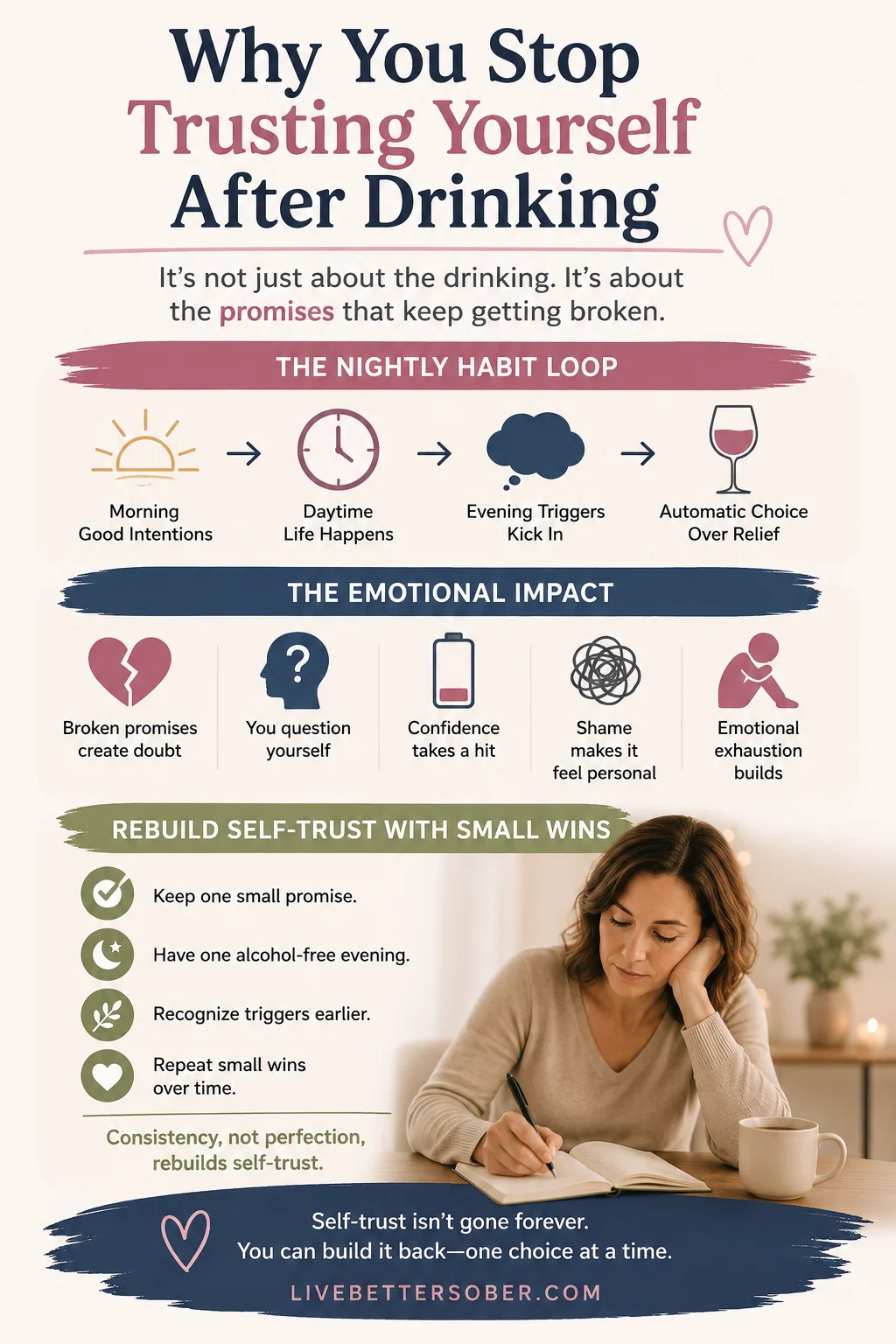
The Cycle Often Starts Small
This usually does not happen overnight.
It often begins with small compromises:
- drinking more often
- drinking more than planned
- changing personal rules
- moving goalposts
- making exceptions
At first, the brain explains it away:
- “It’s been a stressful week.”
- “I deserve this.”
- “I’ll start fresh Monday.”
Sooner or later the behavior becomes impossible to ignore.
And once someone starts doubting their own promises repeatedly, emotional trust starts weakening.
Why Good Intentions Can Disappear By Evening
Many people assume that if they truly wanted to stop drinking, they would simply follow through.
But that isn't usually how habits work.
A woman may wake up feeling genuinely committed to not drinking that night.
She means it.
At that moment, she's thinking clearly and remembering the regret, disappointment, and frustration she felt the night before.
But by evening, something different happens.
Stress builds.
The familiar routine begins.
Certain times, places, emotions, and habits start triggering automatic responses.
The brain shifts from long-term thinking toward immediate relief.
That's why good intentions and repeated drinking can exist at the same time.
It doesn't automatically mean someone lacks character or willpower.
It often means a deeply practiced habit has become stronger than the plan that was made earlier in the day.
Understanding that difference is often the first step toward changing it. It's also why structured repetition often works better than relying on motivation alone.
A Typical Example
This was me: waking up every morning, determined not to drink that evening.
I remembered the poor sleep, the anxiety, and the disappointment I felt that morning.
By lunchtime, I still felt confident.
But after work, the usual pressures begin piling up.
Dinner needs making.
Messages need answering.
I was tired.
The usual justification appears:
"I'll just have one."
Nothing about that moment feels dramatic.
In fact, it feels perfectly reasonable.
That's why the cycle can repeat so many times before someone realizes how automatic it has become.
Shame Makes the Problem Feel Personal
One reason this hurts so deeply is because people often turn the problem inward.
Instead of thinking:
“This habit is affecting me.”
They start believing:
“I must be weak.”
That’s a very painful shift.
Especially for responsible, capable people who handle everything else in life well.
Many nightly drinkers are:
- hardworking
- caring
- dependable
- successful outwardly
Which makes the internal struggle even more confusing.
Because the disconnect feels deeply personal.
Rebuilding Self-Trust Starts With Small Wins
This is important:
Self-trust is not rebuilt through perfection.
It is rebuilt through consistency.
Keeping promises matters.
Tiny wins matter.
Even modest changes start teaching the brain:
“Maybe I actually can trust myself again.”
That might look like:
- delaying the first drink
- having one alcohol-free evening
- changing part of the nightly routine
- recognizing triggers earlier
- following through on one intentional decision
Those moments matter far more than people realize.
What Rebuilding Self-Trust Often Looks Like
The process is usually much quieter than people expect.
Week one might simply be noticing the habit more clearly.
Week two might involve delaying the first drink once or twice.
Later comes the confidence that grows from keeping small promises more often than breaking them.
Over time, these moments begin creating something powerful:
Evidence.
Evidence that change is possible.
Evidence that your decisions matter.
Evidence that you can rely on yourself again.
Self-trust rarely returns all at once.
It usually returns one small follow-through at a time.
Change Usually Starts With Awareness, Not Perfection
Many people think they must suddenly become completely disciplined overnight. It's not the case.
But lasting change usually starts much quieter than that.
It starts with:
- honesty
- awareness
- noticing patterns
- recognizing emotional consequences
- wanting peace more than temporary escape
That awareness is often the real turning point.
Not shame.
Not self-hatred.
Not punishment.
Just finally seeing the situation clearly enough to want something different.
For many people, greater self-awareness eventually becomes more useful when it is connected to a specific method for recognizing and interrupting old patterns. The Somatic Marker Method, which I teach inside my course, is built around learning to recognize those emotional warning signals before the habit fully takes over.
Losing trust in yourself after drinking can feel incredibly discouraging because it slowly affects the way you think about your own decisions, promises, and abilities. But self-trust is not gone forever. It can be rebuilt gradually through awareness, consistency, and small changes repeated over time.
And little by little, many people begin noticing something unexpected: emotional stability slowly starts returning too.
→ Back to: Guilt After Drinking — Why It Keeps Happening
→ Read Next: What Happens Emotionally When You Stop Drinking Every Night
Continue Exploring Shame and Self-Trust
Breaking free from nightly drinking isn't just about changing a habit. It's also about rebuilding trust in yourself. These articles explore how to let go of shame, strengthen self-belief, and move forward with greater confidence and self-compassion.
→ Browse all Shame and Self-Trust articles
Ready for More Support?
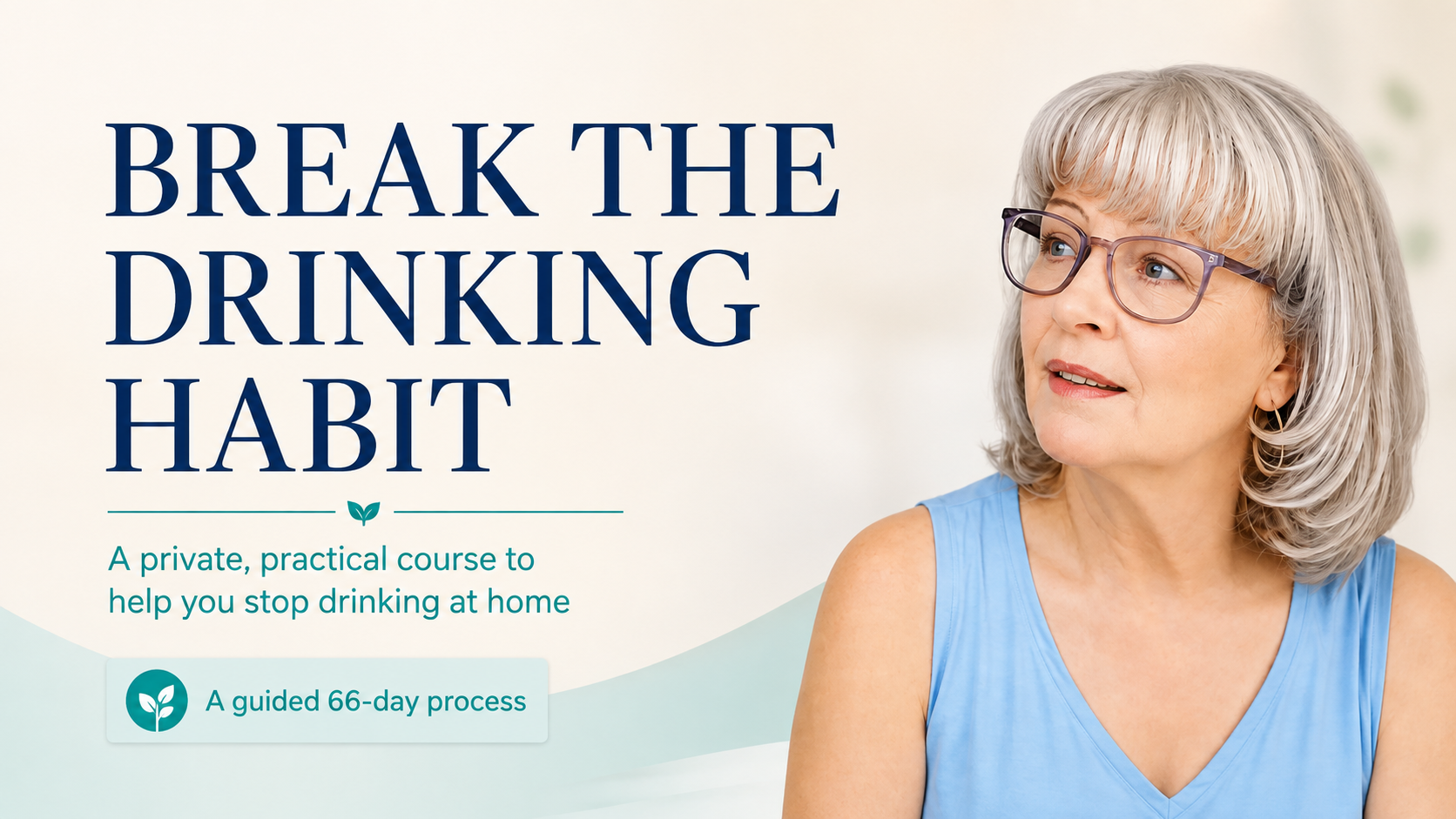
Explore Live Better Sober: Quit Drinking — Break the Alcohol Habit, a practical, shame-free 66-day course designed to help you recognize and interrupt the pattern behind your evening drinking.
➡️ Learn more about the course here: Break the Nightly Drinking Habit
Common Questions About Losing Self-Trust After Drinking
Why do I keep breaking promises to myself about drinking?
Why do I keep breaking promises to myself about drinking?
Habits, routines, stress relief patterns, emotional triggers, and repetition can override good intentions — even when someone genuinely wants to change.
Can self-trust come back after years of drinking?
Can self-trust come back after years of drinking?
Yes. Self-trust is rebuilt gradually through repeated small actions, consistency, and learning to follow through on manageable promises again.
Why does drinking affect self-esteem so much?
Why does drinking affect self-esteem so much?
Repeated regret, guilt, broken promises, and emotional exhaustion can slowly affect confidence and the way people see themselves over time.
Sources and Further Reading
Shame and Self-Trust
Anxiety After Drinking — Why It Feels So Bad
Anxiety after drinking can feel overwhelming, shaky, and emotional. Here’s why it happens.
Guilt After Drinking — Why It Keeps Happening
Guilt after drinking often comes from broken promises, regret, and repeated habit loops. Learn why it happens and why self-trust starts to suffer.
Hiding Alcohol from Family: What I Was Really Trying to Hide
Hiding alcohol from family wasn't about them seeing me drink. It was a sign that I was avoiding the truth about my drinking in private.
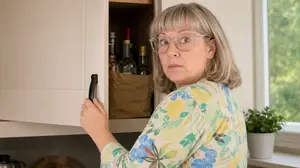
I'm Susan, creator of Live Better Sober, and in January 2028 I'll celebrate 30 years alcohol-free.
Everything on this site comes from my own experience.
I hope that by sharing what I've learned, I can help you break the nightly drinking habit, rediscover yourself, and live better sober, too.
I'm Susan, creator of Live Better Sober, and in January 2028 I'll celebrate 30 years alcohol-free.
Everything on this site comes from my own experience.
I hope that by sharing what I've learned, I can help you break the nightly drinking habit, rediscover yourself, and live better sober, too.
Stay Connected with Live Better Sober
Get new articles, personal stories, podcasts, and practical ideas to help make sober evenings easier.
No lectures. No labels. Just useful support from someone who's been there.


NEWSLETTER
HOME ABOUT CONTACT DISCLAIMER PRIVACY TERMS
FOLLOW US ON:



|
|
|
|
|
SEARCH THIS SITE
LIVE BETTER SOBER IS BASED ON SUSAN GAST'S PERSONAL EXPERIENCE WITH QUITTING ALCOHOL AND LONG-TERM SOBRIETY.
ALL CONTENT COPYRIGHT © 2026 LIVE BETTER SOBER BY SUSAN GAST • ALL RIGHTS RESERVED REGARDLESS OF LINKS OR ATTRIBUTIONS.
POWERED BY SBI! (SOLO BUILD IT!)
