- HOME
- The Live Better Sober Approach
- Stop Drinking Without AA
How to Stop Drinking Without AA

Written by Susan — Quit drinking at 37 • Sober since 1998 • Sharing what actually works
Written by Susan — Quit drinking at 37 • Sober since 1998 • Sharing what actually works
If you’re searching for how to stop drinking without AA, you’re probably looking for something practical, believable, and easier to fit into everyday life. Maybe you’ve tried simply “cutting back,” promising yourself tomorrow will be different, or relying on motivation alone — only to find yourself slipping back into the same evening routine again.
The good news is this: many people successfully stop drinking without traditional meetings by focusing on structure, habits, routines, and small consistent changes instead of perfection.
✅ Quick Answer: How to stop drinking without AA?
You can stop drinking without AA by building healthier evening routines, understanding your drinking triggers, and creating consistent daily habits that support change. For many nightly drinkers, habit-based approaches feel more realistic and sustainable than relying only on willpower.
🎙️ Want to hear the podcast hosts’ take?
The podcast conversation explores this topic from another perspective.
Jump to the podcast episode.
Quitting Usually Works Better With a Plan
One reason people struggle to stop drinking is because they approach it emotionally instead of practically.
They think:
- “I’m done.”
- “That’s it.”
- “I’ll never do this again.”
But then evening arrives, stress kicks in, and the brain falls back into familiar routines.
That’s why having a plan matters.
The goal is not simply:
“Don’t drink.”
The goal is:
“What will I do instead when the usual trigger shows up?”
That single shift changes everything.
A Simple Evening Plan to Replace the Drinking Habit
One of the hardest parts of quitting nightly drinking isn’t just saying no to alcohol — it’s figuring out what to do instead.
Most evening drinking habits happen on autopilot. The same time, same chair, same stress, same reward. That’s why willpower alone usually doesn’t last.
Instead of focusing on “not drinking,” focus on replacing the evening pattern with a new plan your brain can rely on. The goal isn’t perfection. It’s interrupting the routine long enough for a different habit to take hold.
At 5pm: Interrupt the Autopilot Moment
For many people, the urge to drink starts before the first sip. It begins the moment work ends, the house quiets down, or stress catches up with you.
This is the most important transition point of the evening.
Instead of going straight into your normal drinking routine, create a small interruption:
- change clothes immediately
- leave the kitchen for 10 minutes
- go for a short walk
- make a non-alcoholic drink first
- play music or start a podcast
The goal is to break the automatic sequence your brain expects.
At 7pm: Replace the “Reward” Feeling
Nightly drinking is often less about alcohol itself and more about relief, comfort, or permission to finally switch off.
If you remove the wine but keep the same exhausted, depleted evening, cravings usually get louder.
Ask yourself:
“What feeling was drinking giving me?”
Then replace the feeling — not just the drink.
Examples:
- stress → hot shower, stretching, quiet time
- loneliness → texting someone or joining an online group
- boredom → hobby, TV series, audiobook
- overwhelm → simple routine and early bedtime
This sounds simple, but emotionally satisfying replacements are what make new habits stick.
During Cravings: Delay Instead of Fighting
Cravings feel urgent, but they usually peak and fade within a short period of time.
Instead of arguing with yourself, try delaying the decision:
- wait 20 minutes
- drink water first
- eat something substantial
- change rooms
- go outside briefly
You do not have to decide “forever.”
You only need to get through the current urge.
That mindset makes quitting feel far less overwhelming.
Before Bed: End the Night Differently
Many nightly drinkers wake up frustrated and promise themselves tomorrow will be different.
A better approach is ending the evening with a small win.
Before bed:
- acknowledge one thing you did well
- avoid doom-scrolling or self-criticism
- prepare something calming for tomorrow morning
- remind yourself that habits change through repetition, not perfection
The first few alcohol-free evenings can feel unfamiliar. That’s normal. Familiarity comes later.
How to Stop Drinking Without AA Often Starts With Structure
Having an evening plan reduces decision fatigue.
And when people begin stacking small successful evenings together, confidence slowly starts growing again.
You Don’t Need Perfect Motivation Every Day
This is important.
A lot of people assume successful change means:
- feeling motivated constantly
- never struggling
- never craving alcohol again
That’s not the case.
Real progress usually looks more like:
- learning your triggers
- interrupting routines
- getting through difficult evenings
- building consistency slowly
- recovering quickly from setbacks
That’s why workable routines often work better than relying on emotion alone.
Because emotions change daily.
Consistency stays.
Who This Approach Works Best For
This approach often works best for people who feel stuck in a nightly drinking habit rather than people looking for a rigid recovery program.
For example, you may relate to this if:
- drinking became part of your evening routine
- wine or alcohol started feeling like a way to cope with stress
- you keep promising yourself you’ll “cut back tomorrow”
- you function normally during the day but struggle at night
- you want sustainable habit change more than labels or meetings
If you’re trying to figure out how to stop drinking without AA, focusing on routines and a doable daily change often feels far more manageable than trying to rely on perfect motivation.
Many people in this situation don’t necessarily need to completely reinvent their lives overnight.
They usually need:
- calmer evening routines
- healthier coping routines
- consistency
- support
- realistic expectations
That’s why small repeatable changes often feel more sustainable than relying entirely on motivation or willpower alone.
Some Evenings Will Still Feel Difficult
One thing people rarely talk about is this: even with a good plan, some evenings will still feel uncomfortable for a while.
That’s normal.
It does not mean you’re failing.
When alcohol has been part of a nightly routine for months or years, the brain expects it. So during the early stages of change, evenings can temporarily feel:
- restless
- emotionally flat
- boring
- unfamiliar
That doesn’t mean your new routine isn’t working.
It usually means your brain is adjusting to a different pattern.
This is where consistency matters most.
Because over time, the new habits slowly become more automatic too. The evenings that once felt empty often begin feeling calmer instead — and many people eventually discover they genuinely prefer the peace that comes with not drinking.
The Goal Is Progress — Not Punishment
One reason some people struggle with traditional recovery approaches is because they feel overwhelmed by the idea of lifelong perfection.
But many nightly drinkers respond far better to:
- manageable steps
- daily progress
- achievable expectations
- building confidence gradually
That creates momentum instead of fear.
And over time, the evenings that once revolved around alcohol become freer from the pressure to drink — and more peaceful because of it.
You’re Building a Different Evening Life
At first, quitting can feel like giving something up.
But eventually, many people realize they’re actually building something new:
- better sleep
- calmer mornings
- more self-respect
- healthier routines
- less mental exhaustion
- more peace
That transformation rarely happens overnight.
It happens one evening at a time.
And for many people, that repeatable step-by-step approach feels far more achievable than trying to completely reinvent themselves all at once.
→ Back to: Why Can’t I Stop Drinking on My Own?
→ Next: Life After Quitting Drinking — What Changes Over Time?
Want the Podcast Version of this Page?
Want to go deeper? The podcast version of this page explores these ideas in a more conversational and reflective way. You can listen to it below.
Continue Exploring The Live Better Sober Approach
Every woman finds her own path, but understanding why your nightly drinking habit developed can make that path much easier. Explore the ideas behind the Live Better Sober approach, including habit loops, Somatic Marker Moments, and building lasting change without shame.
→ Browse all Live Better Sober Approach articles
Ready for More Support?
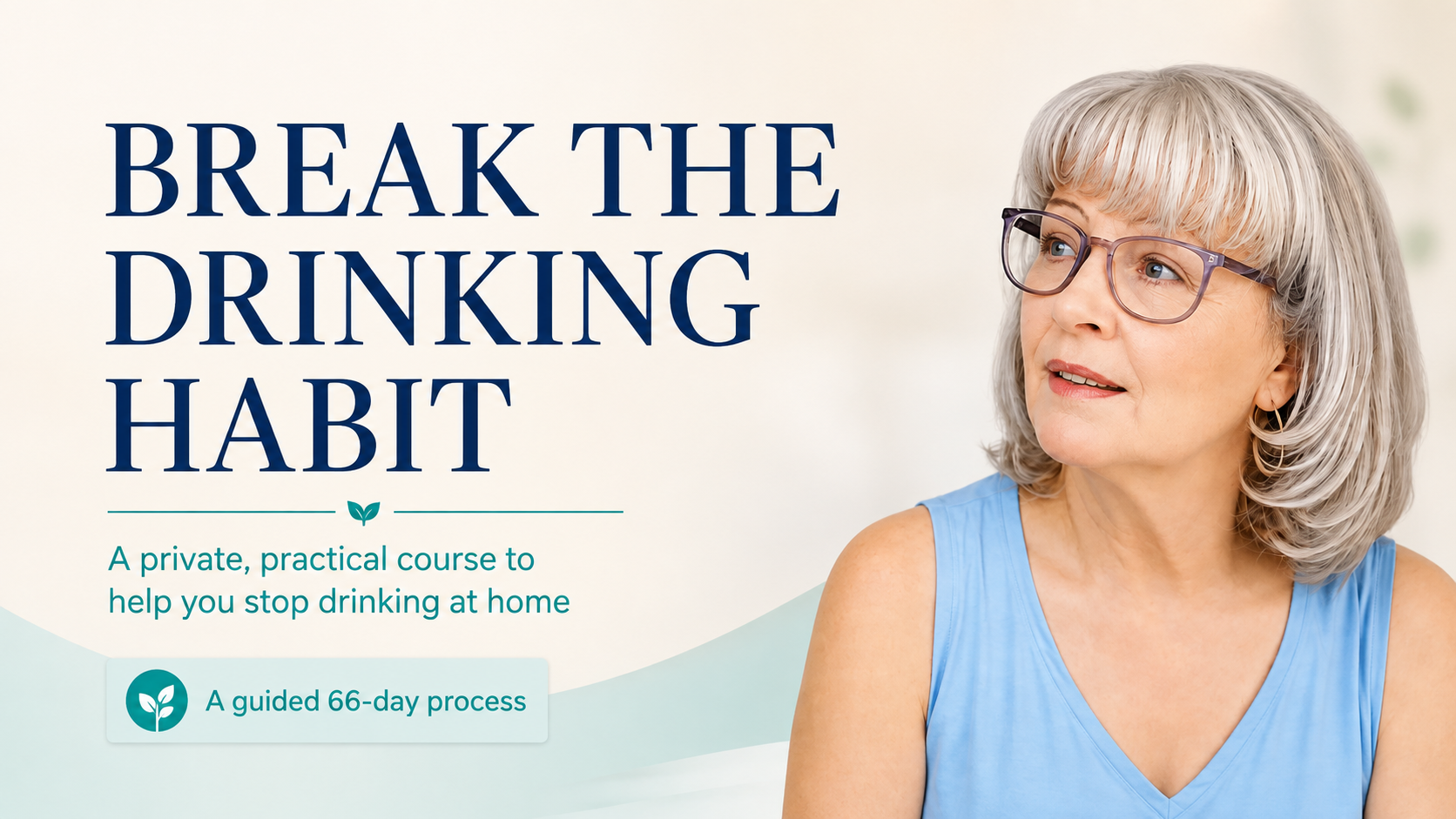
Explore Live Better Sober: Quit Drinking — Break the Alcohol Habit, a practical, shame-free 66-day course designed to help you recognize and interrupt the pattern behind your evening drinking.
➡️ Learn more about the course here: Break the Nightly Drinking Habit
Frequently Asked Questions About Stopping Drinking Without AA
Can you quit drinking successfully without AA?
Can you quit drinking successfully without AA?
Yes. Many people stop drinking successfully through realistic routines, habit-change systems, therapy, coaching, online support, or lifestyle changes without attending AA meetings.
What helps most when trying to stop drinking?
What helps most when trying to stop drinking?
For many nightly drinkers, the biggest help comes from changing evening routines, understanding triggers, and replacing automatic drinking habits with healthier alternatives.
Is willpower enough to stop drinking?
Is willpower enough to stop drinking?
Willpower alone often fades under stress or routine triggers. That’s why structured approaches and repeatable habits usually create more lasting progress than relying only on motivation.
The Live Better Sober Approach
Alternatives to AA — What if Meetings Aren’t for You?
Looking for alternatives to AA? Discover supportive, non-traditional approaches to quitting drinking that don’t rely on meetings or labels.
Shame-Free Sobriety Approach That Actually Helps
Shame-free sobriety approach means learning from your drinking years without carrying lifelong self-condemnation.
Somatic Marker Method Overview
Somatic Marker Method overview for women using meaningful drinking memories to guide calmer, shame-free choices about alcohol.
How to Recover After a Slip Without Spiraling
Learn how to recover after a drinking slip without shame, use last night as honest information, and choose one helpful next step.
How to Identify Your Drinking Triggers
How to identify your drinking triggers by noticing the situations, feelings, and body signals connected to your evening urge to drink.




I'm Susan, creator of Live Better Sober, and in January 2028 I'll celebrate 30 years alcohol-free.
Everything on this site comes from my own experience.
I hope that by sharing what I've learned, I can help you break the nightly drinking habit, rediscover yourself, and live better sober, too.
I'm Susan, creator of Live Better Sober, and in January 2028 I'll celebrate 30 years alcohol-free.
Everything on this site comes from my own experience.
I hope that by sharing what I've learned, I can help you break the nightly drinking habit, rediscover yourself, and live better sober, too.
Stay Connected with Live Better Sober
Get new articles, personal stories, podcasts, and practical ideas to help make sober evenings easier.
No lectures. No labels. Just useful support from someone who's been there.


NEWSLETTER
HOME ABOUT CONTACT DISCLAIMER PRIVACY TERMS
FOLLOW US ON:



|
|
|
|
|
SEARCH THIS SITE
LIVE BETTER SOBER IS BASED ON SUSAN GAST'S PERSONAL EXPERIENCE WITH QUITTING ALCOHOL AND LONG-TERM SOBRIETY.
ALL CONTENT COPYRIGHT © 2026 LIVE BETTER SOBER BY SUSAN GAST • ALL RIGHTS RESERVED REGARDLESS OF LINKS OR ATTRIBUTIONS.
POWERED BY SBI! (SOLO BUILD IT!)
