- HOME
- Willpower is Not the Problem
- Why Can’t I Stop?
Why Can’t I Stop Drinking on My Own?
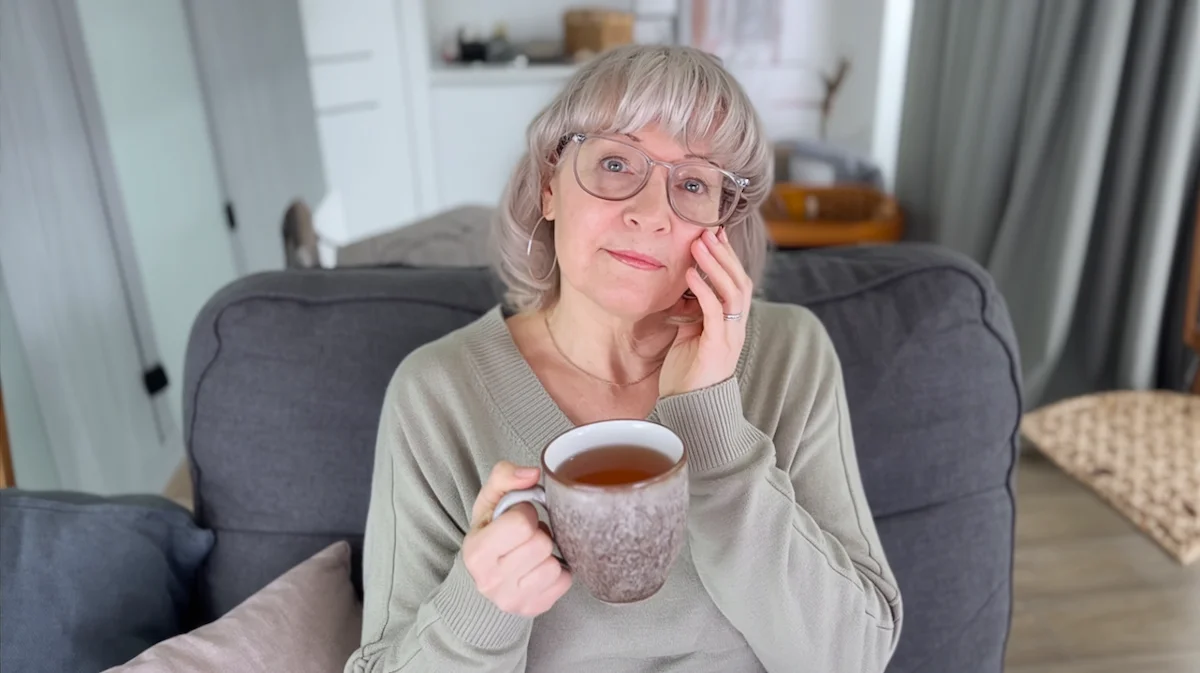

Written by Susan — Quit drinking at 37 • Sober since 1998 • Sharing what actually works
Written by Susan — Quit drinking at 37 • Sober since 1998 • Sharing what actually works
If you’ve ever asked yourself, “Why can’t I stop drinking on my own?” you are far from alone. Many nightly drinkers genuinely want to stop. They promise themselves it’ll be different tomorrow, swear they’ll take a break, or decide this will be the last night.
But then evening comes around, the nightly rhythm kicks in, and somehow they find themselves pouring another drink again.
✅ Quick Answer: Why can’t I stop drinking on my own?
Many people struggle to stop drinking on their own because nightly drinking often becomes an automatic habit loop tied to stress relief, routine, reward, and emotional comfort. Once the brain connects alcohol with relaxation or switching off at night, quitting becomes more difficult than simply “using willpower.”
First and foremost, if you really want to quit drinking, you have to truly want a different life more than you want another drink tonight.
And for many people, that desire grows stronger after enough mornings of waking up exhausted, anxious, disappointed in themselves, or wondering why they did it again.
I know because I lived that life for 20 years.
I’m approaching 30 years alcohol-free now, but back then long-term sobriety felt completely out of reach. I honestly couldn’t imagine how people managed it.
What finally changed things for me wasn’t becoming a “stronger” person overnight. It was learning how nightly drinking habits actually work — and intentionally changing the behaviors that kept pulling me back into the same familiar cycle.
🎙️ Want to hear the podcast hosts’ take?
The podcast conversation explores this topic from another perspective.
Jump to the podcast episode.
It’s Usually Not About Weakness
One of the biggest misunderstandings around drinking habits is the idea that people simply lack discipline.
That’s rarely the full story.
Most nightly drinkers are not weak people. In fact, many are:
- responsible
- hard-working
- caring
- highly functional
The problem is that habits operate automatically once they become deeply repeated.
And nightly drinking is one of the easiest habits for the brain to automate because it becomes attached to:
- finishing work
- relaxing
- comfort
- reward
- emotional shutdown
- routine
After enough repetition, your brain begins expecting it.
The Brain Loves Predictable Rewards
The brain quickly remembers anything that brings relief, comfort, or escape.
If alcohol temporarily helps you:
- relax
- numb stress
- reduce anxiety
- feel rewarded
- mentally “clock out”
…your brain remembers that.
Over time, evening itself becomes a trigger.
That’s why many people feel cravings before they even consciously decide to drink.
The brain has already linked:
evening = relief is coming
And once that association becomes automatic, it can feel incredibly frustrating trying to break it through willpower alone.
The Habit Loop Happens Faster Than You Think
The more often this habit repeats, the stronger it becomes.
That’s why quitting often feels easy during the day — but much harder in the evening when the habit loop activates.
Trying Harder Usually Isn’t Enough
This is where many people get stuck.
They think:
- “I just need more self-control.”
- “I need to try harder.”
- “I should be able to stop.”
But habits usually don’t respond well to shame or pressure.
And when someone relies only on motivation, they often end up trapped in the same place:
- promising themselves it’ll be different
- trying hard for a few days
- falling back into the same old habits
- feeling frustrated with themselves
- repeating the cycle
Not because they’re hopeless.
Because they’re trying to fight an established behavioral pattern without replacing it with anything structured.
What To Do Tonight Instead
The hardest part of changing a nightly drinking habit is often the empty space it leaves behind. Most people don’t just miss the alcohol — they miss the pause, the comfort, the signal that the day is finally over.
That’s why “just don’t drink” rarely works on its own. It helps to replace the ritual with something that still gives your brain relief, comfort, or direction. Even small changes to your evening routine can begin to weaken the automatic pull toward alcohol over time.
The goal isn’t to create a perfect new life overnight. It’s simply to interrupt the old pattern long enough for your brain to experience something different.
Sometimes the most helpful first step is simply giving yourself something different to focus on during the hours you’d normally drink.
If it helps, I put together a course that walks through this process step by step. In it, I teach you how to change your thinking about drinking... and over 66 days, you'll create a new habit — of sobriety.
Structure Changes Everything
This is why having a system often works far better than relying on willpower alone.
A system creates:
- awareness
- interruption of routines
- daily accountability
- new evening patterns
- momentum
- consistency
Instead of:
“I’ll just stop forever somehow…”
…the focus becomes:
“What do I do tonight instead?”
That’s where real change often begins.
Because changing a nightly habit is usually about:
- changing routines
- changing automatic responses
- changing what happens next
—not simply forcing yourself to “be stronger.”
You’re Probably Closer Than You Think
One encouraging thing many people don’t realize is this:
The fact that you keep trying matters.
People who truly don’t care rarely question their drinking habits.
But if you:
- think about stopping
- feel frustrated with the pattern
- keep attempting to quit
- search for answers
…it means part of you already wants something different.
And often, the missing piece is not desire.
It’s having a realistic plan that fits your life and helps you break the automatic evening spiral one day at a time.
→ Back to: Alternatives to AA — What if Meetings Aren’t for You?
→ Next: How to Stop Drinking Without AA
Want the Podcast Version of this Page?
Want to go deeper? The podcast version of this page explores these ideas in a more conversational and reflective way. You can listen to it below.
Continue Exploring Willpower Is Not the Problem
If you've ever wondered why willpower seems to disappear at the end of the day, you're asking the right question. Explore how habits, routines, and your brain's learned patterns often play a much bigger role than determination alone.
→ Browse all Willpower Is Not the Problem articles
Ready for More Support?
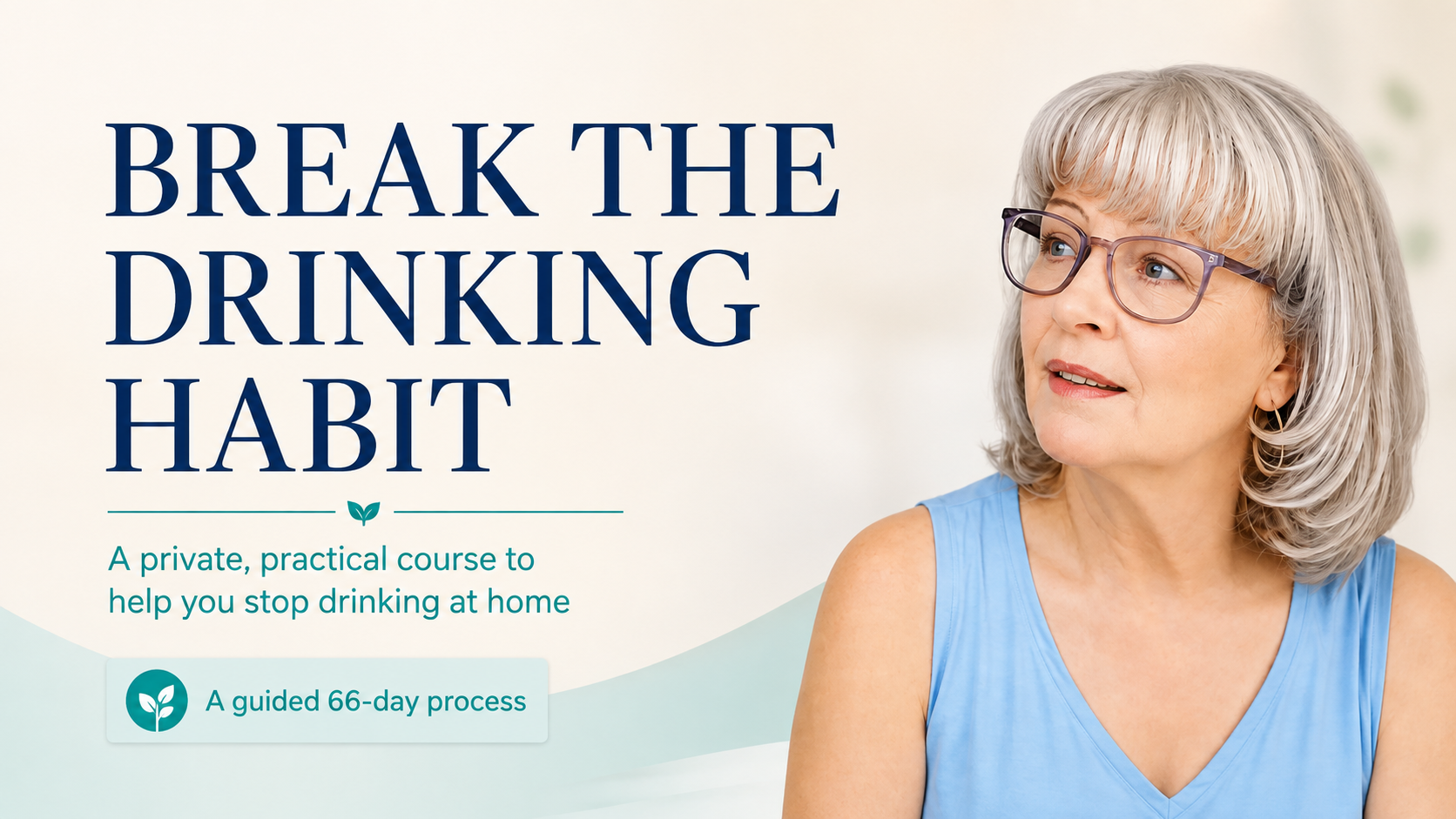
Explore Live Better Sober: Quit Drinking — Break the Alcohol Habit, a practical, shame-free 66-day course designed to help you recognize and interrupt the pattern behind your evening drinking.
➡️ Learn more about the course here: Break the Nightly Drinking Habit
Frequently Asked Questions About Stopping Drinking on Your Own
Why is it harder to stop drinking at night?
Why is it harder to stop drinking at night?
Evening drinking often becomes connected to stress relief, routine, reward, and relaxation. Over time, the brain starts expecting alcohol as part of the nightly pattern.
Why can I stop for a few days and then relapse?
Why can I stop for a few days and then relapse?
Many people rely only on motivation at first. But without changing the underlying routine or habit loop, old patterns often return once stress, boredom, or end-of-day exhaustion appears.
Does struggling to quit mean I’m weak?
Does struggling to quit mean I’m weak?
No. Habit patterns can become deeply automatic over time. Struggling to stop usually means the behavior has become reinforced through repetition — not that you’re weak or hopeless.
I'm Susan, creator of Live Better Sober, and in January 2028 I'll celebrate 30 years alcohol-free.
Everything on this site comes from my own experience.
I hope that by sharing what I've learned, I can help you break the nightly drinking habit, rediscover yourself, and live better sober, too.
I'm Susan, creator of Live Better Sober, and in January 2028 I'll celebrate 30 years alcohol-free.
Everything on this site comes from my own experience.
I hope that by sharing what I've learned, I can help you break the nightly drinking habit, rediscover yourself, and live better sober, too.
Stay Connected with Live Better Sober
Get new articles, personal stories, podcasts, and practical ideas to help make sober evenings easier.
No lectures. No labels. Just useful support from someone who's been there.


NEWSLETTER
HOME ABOUT CONTACT DISCLAIMER PRIVACY TERMS
FOLLOW US ON:



|
|
|
|
|
SEARCH THIS SITE
LIVE BETTER SOBER IS BASED ON SUSAN GAST'S PERSONAL EXPERIENCE WITH QUITTING ALCOHOL AND LONG-TERM SOBRIETY.
ALL CONTENT COPYRIGHT © 2026 LIVE BETTER SOBER BY SUSAN GAST • ALL RIGHTS RESERVED REGARDLESS OF LINKS OR ATTRIBUTIONS.
POWERED BY SBI! (SOLO BUILD IT!)
