- HOME
- Living Comfortably Sober
- Life After Drinking
Life After Quitting Drinking — What Changes Over Time?
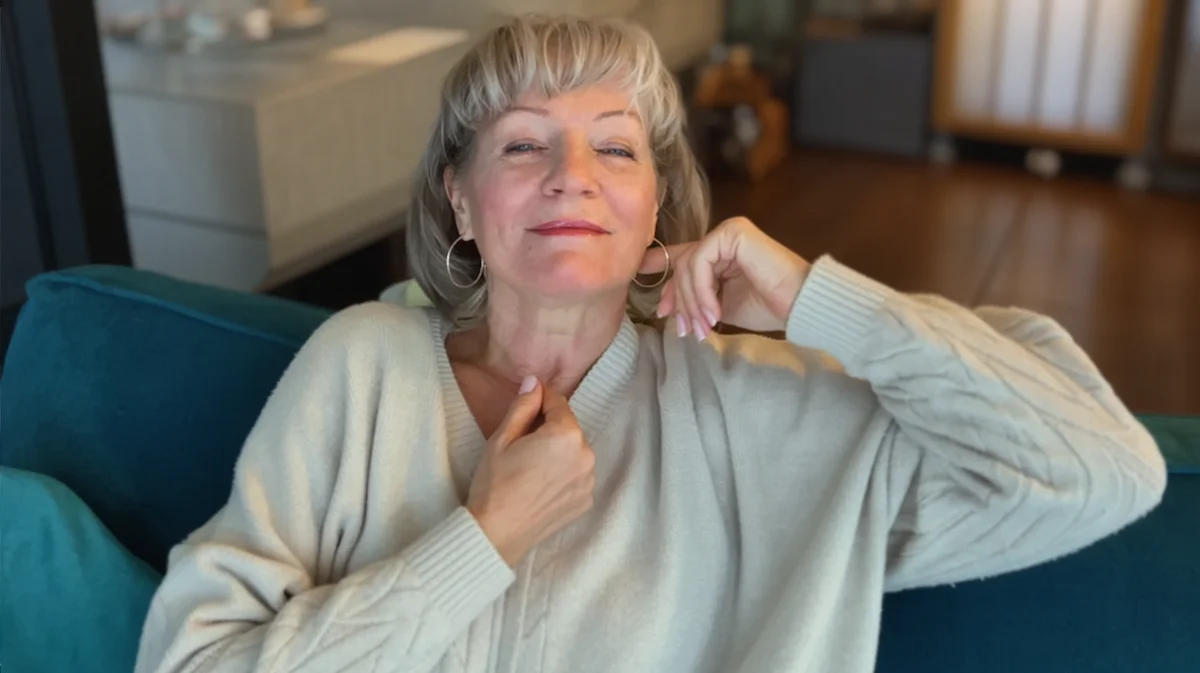

Written by Susan — Quit drinking at 37 • Sober since 1998 • Sharing what actually works
Written by Susan — Quit drinking at 37 • Sober since 1998 • Sharing what actually works
When people think about quitting drinking, they often focus on what they might lose. But life after quitting drinking is usually less about loss — and more about what slowly starts coming back. Better sleep. Clearer mornings. Less anxiety. More peace. More self-respect.
And while the change rarely happens overnight, many people are surprised by how different life begins to feel once alcohol no longer controls every evening.
✅ Quick Answer: What changes about life after quitting drinking?
Life after quitting drinking often includes better sleep, clearer thinking, calmer evenings, improved energy, healthier routines, and a greater sense of emotional stability. Many people also notice reduced anxiety, better focus, and a growing sense of control over their daily lives.
The First Changes Are Often Small
One reason people struggle to imagine quitting drinking is because they assume life will suddenly become boring or empty.
But in reality, the earliest changes are usually subtle:
- waking up less groggy
- fewer regrets
- calmer mornings
- less mental exhaustion
- sleeping more deeply
- remembering evenings clearly
At first, these improvements may seem small.
But over time, they begin stacking together.
And eventually, many people realize:
they no longer feel trapped in the same exhausting cycle every night.
Evenings Start Feeling Different
For many nightly drinkers, evenings end up revolving around alcohol almost automatically. Over time, the brain can begin associating the end of the day with relief, escape, or reward — which is one reason nightly drinking habits often become so deeply ingrained.
That can make sober evenings feel strange at first.
But once new routines begin forming, something important starts changing. Evenings start feeling calmer as healthier habits and new routines begin replacing old drinking patterns.
Slowly, evenings start feeling:
- calmer
- quieter
- less chaotic
- less emotionally heavy
Instead of constantly thinking about:
- when to drink
- how much to drink
- whether tonight will be different tomorrow
…the brain slowly relaxes.
And that mental freedom alone can feel life-changing.
The Body Often Starts Recovering Too
Not everyone experiences the exact same timeline.
But many people do notice that their mind and body begin settling once alcohol is no longer disrupting their evenings constantly.
What Often Changes Over Time After Quitting Drinking
Everyone’s experience is different, and recovery is rarely perfectly linear.
But many people notice certain improvements beginning to appear gradually as the nightly drinking habit loosens its grip.
During the First Week
The first few days can feel emotionally uncomfortable for some people, especially if drinking has become a long-standing evening routine.
But even early on, some people begin noticing:
- slightly clearer mornings
- less overnight anxiety
- fewer feelings of regret
- improved hydration
- better awareness of their habits
- moments of genuine pride for getting through the evening sober
At this stage, the biggest change is often simply realizing:
you can get through an evening without drinking.
During the First Month
As the brain and body begin adjusting to new routines, many people start noticing more emotional stability and mental clarity.
Some common changes may include:
- more consistent sleep
- calmer evenings
- improved focus
- less emotional chaos
- more steady energy
- reduced mental obsession around drinking
This is also when many people begin rebuilding trust in themselves again through repeated small wins.
After Several Months
Over time, sobriety often begins feeling less like “trying not to drink” and more like a normal part of everyday life.
Many people begin notice:
- greater emotional steadiness
- healthier routines
- more confidence
- improved relationships
- better self-respect
- less mental exhaustion
- a growing sense of peace
And perhaps most importantly:
the nightly battle inside their head begins quieting down.
You Stop Negotiating With Yourself Every Night
One of the most exhausting parts of nightly drinking is the constant mental negotiation.
People often spend hours thinking:
- “Should I drink tonight?”
- “Maybe just one.”
- “I’ll stop tomorrow.”
- “This weekend doesn’t count.”
- “I deserve it.”
That mental tug-of-war drains energy.
And once the habit begins loosening its grip, many people feel enormous relief simply from:
not obsessing about alcohol all evening anymore.
That freedom can feel surprisingly emotional.
Confidence Builds Slowly
At first, many people don’t trust themselves.
They’ve promised to stop before.
They’ve relapsed before.
They’ve felt discouraged before.
But confidence doesn’t usually return all at once.
It builds through repeated small wins:
- one calmer evening
- one better morning
- one successful weekend
- one difficult craving survived
Over time, those moments begin creating something powerful:
proof.
Proof that change is possible.
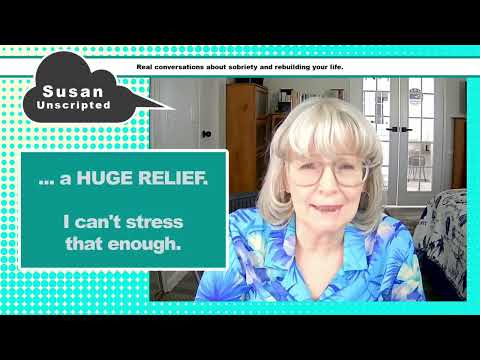
Watch: What Life Really Feels Like After Quitting Drinking
In this video, Susan from Live Better Sober talks honestly about the emotional reality of life after quitting drinking — including the fear of quitting, the relief that can slowly begin replacing the nightly drinking cycle, and how evenings can gradually start feeling calmer and more peaceful over time.
Some People Worry Life Will Feel Boring Without Alcohol
This is an extremely common fear.
When drinking has been part of evening routines for years, it can feel hard to imagine relaxing, socializing, or unwinding without it.
At first, sober evenings may feel unfamiliar.
But unfamiliar doesn’t necessarily mean worse. For me, it finally spelled RELIEF — a good feeling knowing I was no longer reaching for a drink every evening.
Many people slowly realize the problem wasn’t necessarily the absence of alcohol — it was learning how to enjoy evenings differently again.
As time goes on, many people discover they don’t actually miss alcohol itself as much as they feared — they miss the routine, the anticipation, or the temporary escape.
Gradually, new routines begin replacing the old ones.
Relationships and Marriage Dynamics Can Feel Different Too
For people who drank nightly with a spouse or partner, quitting can sometimes feel emotionally strange in the beginning.
- Evenings may look different.
- Conversations may change.
- Certain routines may need adjusting.
Some people worry:
“Will we still connect the same way?”
But many gradually discover that calmer communication, clearer thinking, and emotional presence often strengthen relationships over time.
And in many cases, the anxiety surrounding alcohol slowly stops dominating the evening altogether.
It’s Common to Wonder Who You Are Without Drinking
Many nightly drinkers end up building alcohol into their identity without fully realizing it.
- Wine after work.
- Drinks to relax.
- Alcohol as a reward.
- Alcohol as “me time.”
So when drinking stops, some people briefly feel emotionally untethered.
But over time, many begin reconnecting with parts of themselves that had slowly been pushed aside:
- hobbies
- creativity
- calm routines
- confidence
- emotional clarity
- genuine rest
And instead of losing themselves, many people begin noticing they feel more like themselves again.
The Little Things Often Matter Most
One surprising part of life after quitting drinking is how meaningful the smaller changes can become.
People often expect dramatic transformations immediately. But many of the most noticeable improvements are actually quiet everyday moments:
- waking up without regret
- remembering conversations clearly
- feeling calmer at night
- not checking how much alcohol is left
- enjoying simple routines again
- feeling present instead of mentally foggy
These small moments may not seem exciting at first, but over time they begin creating something powerful:
a more peaceful daily life.
And for many people, that quiet sense of stability ends up feeling far more valuable than the temporary escape alcohol once provided.
You Begin Feeling More Like Yourself Again
This is something many people describe after quitting drinking:
“I finally feel like myself again.”
Not perfect.
Not transformed overnight.
Not endlessly happy.
Just…
clearer.
Calmer.
More emotionally steady.
And while alcohol may once have felt like the only way to relax or switch off, many people happily realize they don’t actually miss:
- the exhaustion
- the guilt
- the mental fog
- the constant cycle
What they really wanted all along was peace.
And that peace often starts arriving one evening at a time.
→ Back to: How to Stop Drinking Without AA
→ Start Here: Alternatives to AA — What if Meetings Aren’t for You?
Continue Exploring Living Comfortably Sober
Life without alcohol isn't about missing out. It's about creating evenings, weekends, and everyday moments that feel genuinely satisfying. Explore practical ideas and encouragement to help you build a life that feels comfortable, peaceful, and worth protecting.
→ Browse all Living Comfortably Sober articles
Ready for More Support?
Explore Live Better Sober: Quit Drinking — Break the Alcohol Habit, a practical, shame-free 66-day course designed to help you recognize and interrupt the pattern behind your evening drinking.
➡️ Learn more about the course here: Break the Nightly Drinking Habit
Frequently Asked Questions About Life After Quitting Drinking
Does life really get better after quitting drinking?
Does life really get better after quitting drinking?
Many people report better sleep, calmer evenings, improved mood, more energy, and greater emotional stability after quitting drinking. The changes often build gradually over time.
How long does it take to start feeling better after quitting drinking?
How long does it take to start feeling better after quitting drinking?
Everyone is different. Some people notice improvements within days, while others experience gradual changes over weeks or months as new routines and habits develop.
Do people actually stop missing alcohol?
Do people actually stop missing alcohol?
For many people, yes. Once healthier routines and calmer evenings become normal, alcohol often loses much of its emotional pull and importance over time.
Living Comfortably Sober
What Happens Emotionally When You Stop Drinking
What happens emotionally when you stop drinking often includes relief, clarity, and emotional stability.
What if Life Feels Boring Without Alcohol? It's Normal
Life feels boring without alcohol for many people at first. It's not a lack of willpower or a sign something is wrong—it's part of the transition process.
How to Socialize Without Drinking — Confidently
How to socialize without drinking and build genuine confidence while navigating parties, dinners, and events sober.
Who Am I Without Alcohol? Why Identity Feels Different
Who am I without alcohol? Here's why identity shifts after nightly drinking stops.
Enjoy Life Without Alcohol - Real Enjoyment Can Return
Can you enjoy life without alcohol? Yes. Many people discover more peace, confidence, emotional stability, and real enjoyment than they expected.




I'm Susan, creator of Live Better Sober, and in January 2028 I'll celebrate 30 years alcohol-free.
Everything on this site comes from my own experience.
I hope that by sharing what I've learned, I can help you break the nightly drinking habit, rediscover yourself, and live better sober, too.
I'm Susan, creator of Live Better Sober, and in January 2028 I'll celebrate 30 years alcohol-free.
Everything on this site comes from my own experience.
I hope that by sharing what I've learned, I can help you break the nightly drinking habit, rediscover yourself, and live better sober, too.
Stay Connected with Live Better Sober
Get new articles, personal stories, podcasts, and practical ideas to help make sober evenings easier.
No lectures. No labels. Just useful support from someone who's been there.


NEWSLETTER
HOME ABOUT CONTACT DISCLAIMER PRIVACY TERMS
FOLLOW US ON:



|
|
|
|
|
SEARCH THIS SITE
LIVE BETTER SOBER IS BASED ON SUSAN GAST'S PERSONAL EXPERIENCE WITH QUITTING ALCOHOL AND LONG-TERM SOBRIETY.
ALL CONTENT COPYRIGHT © 2026 LIVE BETTER SOBER BY SUSAN GAST • ALL RIGHTS RESERVED REGARDLESS OF LINKS OR ATTRIBUTIONS.
POWERED BY SBI! (SOLO BUILD IT!)
