- HOME
- Living Comfortably Sober
- Enjoying Life Sober
Enjoy Life Without Alcohol - Real Enjoyment Can Return
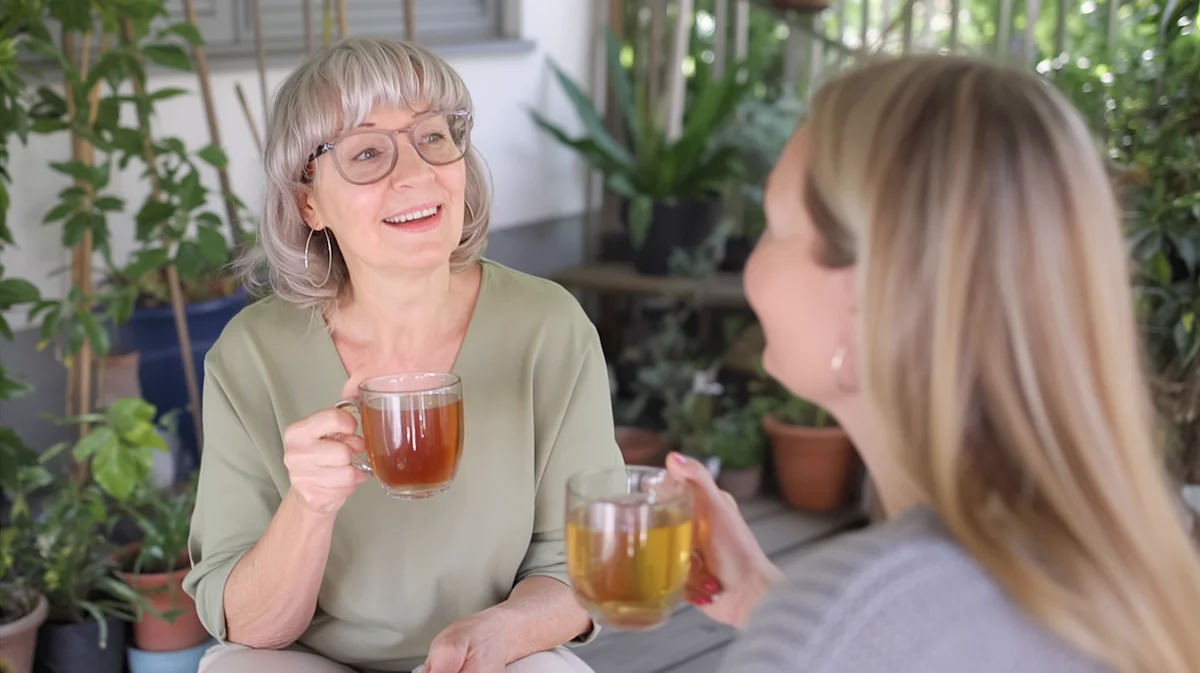

Written by Susan — Quit drinking at 37 • Sober since 1998 • Sharing what actually works
Written by Susan — Quit drinking at 37 • Sober since 1998 • Sharing what actually works
Trying to enjoy life without alcohol can feel almost impossible to imagine in the beginning. I know I felt that way, almost 30 years ago. You see, countless people worry that life will become dull, restrictive, lonely, or emotionally flat forever. Not so!
Eventually, a surprising shift often happens — people slowly realize that alcohol was not creating happiness at all... it was interrupting and replacing discomfort temporarily.
✅ Quick Answer: Can you really enjoy life without alcohol?
Yes, people genuinely enjoy life without alcohol once their routines, emotions, and nervous system begin stabilizing. Real enjoyment often returns gradually through peace, clarity, confidence, connection, and emotional consistency.
What If I Never Enjoy Anything Again?
This is one of the scariest thoughts in the beginning:
“What if alcohol was the only thing making life feel fun?”
That fear can feel very real, especially if drinking has been tied to your evenings, your stress relief, your social life, or your reward system for years.
But that fear is not proof that life without alcohol will stay flat forever.
It usually means your brain and emotions have become used to alcohol as the quickest route to relief, distraction, or escape. When that shortcut is removed, ordinary life can feel strangely quiet at first.
That does not mean enjoyment is gone.
It often means your natural enjoyment system needs time, repetition, and calmer routines to wake back up.
Real Enjoyment Feels Different From Alcohol Relief
This is one of the biggest mindset shifts people experience.
Alcohol often feels like enjoyment because it creates:
- temporary relief
- emotional escape
- lowered inhibition
- distraction
- numbing
- stimulation
But relief and enjoyment are not always the same thing.
Many nightly drinkers spend years bouncing between:
stress → drinking → temporary relief → regret → repeat
And before long the relief itself starts getting mistaken for happiness.
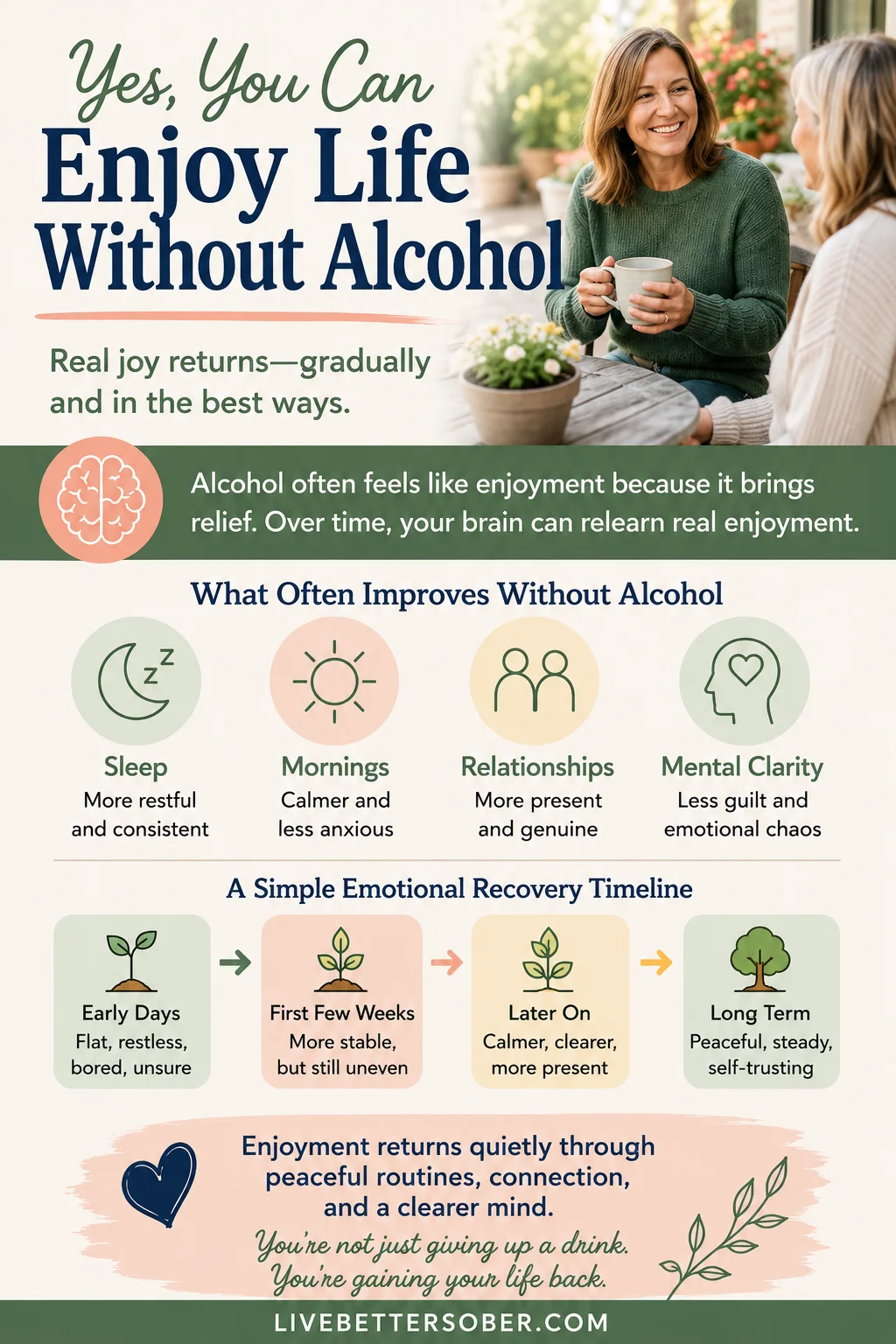
Why Relief Can Feel Like Enjoyment
Alcohol can create the illusion of enjoyment because it often arrives right after tension.
The pattern can look like this:
morning resolve → daytime stress → evening pressure → drinking → temporary relief → regret → repeat
When alcohol removes stress for a short time, the brain may interpret that relief as happiness.
But what actually happened?
The discomfort dropped.
That sense of relief can feel powerful, especially after a long day of holding everything together.
Gradually, the brain begins connecting alcohol with “feeling better,” even when alcohol is also creating the guilt, anxiety, poor sleep, regret, and emotional chaos that make the next evening harder.
That is why the shift can feel confusing at first.
You are not just giving up a drink.
You are retraining your brain to stop mistaking escape for real enjoyment.
That’s why life without alcohol can initially feel emotionally confusing.
People are no longer constantly escaping discomfort — but they also have not fully relearned natural enjoyment yet.
Enjoy Life Without Alcohol by Rebuilding Simple Things First
One of the biggest surprises for former nightly drinkers is that enjoyment often returns in subtle ways.
Not dramatically.
Not instantly.
And not all at once.
It often starts with:
- sleeping better
- waking up calmer
- drinking coffee peacefully
- remembering conversations
- feeling emotionally safer
- not waking up anxious
- not replaying the previous night
- enjoying slower evenings
These things may sound small.
But in daily life? They can feel huge.
Those quieter improvements slowly create a more stable emotional life.
What Often Becomes Enjoyable Again
As the weeks and months pass, simple things may start feeling better again:
Happiness Usually Returns More Gradually Than People Expect
This is important because unrealistic expectations can discourage people.
Many expect one of two extremes:
-
“Sobriety will fix everything instantly”
OR - “Life will be miserable forever”
Real life is usually somewhere in the middle.
Most people slowly build a new normal.
As that new normal develops:
- emotions stabilize
- confidence grows
- routines improve
- anxiety decreases
- peace increases
- enjoyment becomes more natural
It is often less intense than drinking life.
But also far less chaotic.
That trade-off becomes incredibly valuable to many people later on.
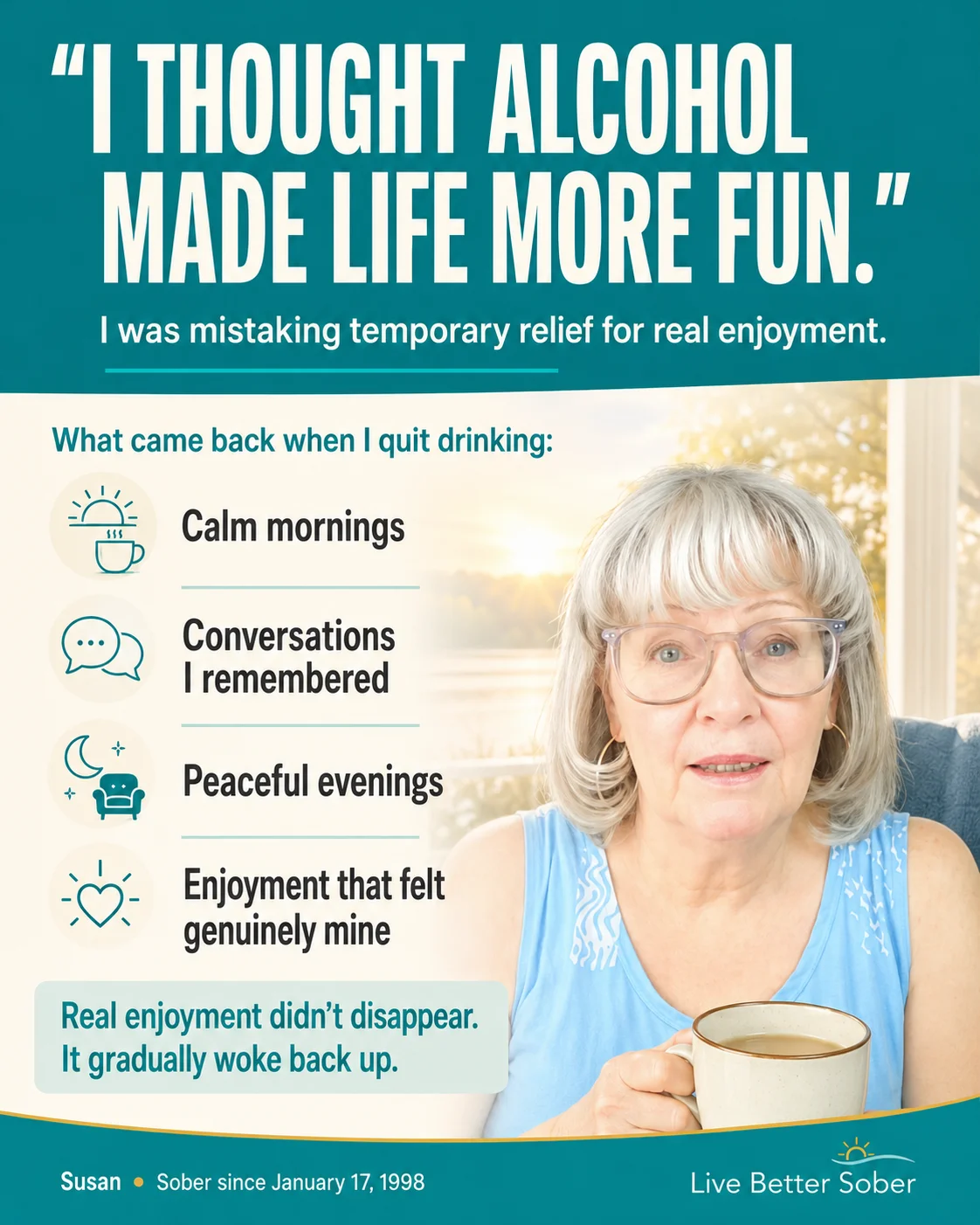
A Simple Emotional Recovery Timeline
Everyone is different, but the emotional shift often moves in stages.
This is why early boredom should not be treated as a final verdict.
It is often part of the transition, not the destination.
You Stop Thinking About Drinking Constantly
This part surprises people.
In the beginning, alcohol can dominate mental space:
- planning it
- craving it
- regretting it
- negotiating about it
- recovering from it
That cycle is exhausting.
But eventually, some people notice entire days passing where alcohol barely enters their mind at all.
That freedom feels enormous.
Because life stops revolving around:
“When can I drink?”
“How much did I drink?”
“Did I embarrass myself?”
“Should I quit again?”
Mental peace starts replacing mental obsession.
That changes everyday life more than most people expect.
One of the most meaningful changes about life without alcohol is that you slowly begin experiencing life as your real self again. Not a buzzed version of yourself. Not a slightly numbed version. Not a version fueled by false bravado, emotional escape, or lowered inhibition.
There is a deep sense of inner peace that comes from knowing your thoughts, reactions, conversations, and emotions are genuinely yours. You no longer have to wake up wondering if you said too much, acted strangely, overreacted, forgot parts of the evening, or became someone you did not fully recognize after drinking.
As the weeks and months pass, many discover that confidence feels very different without alcohol involved. It becomes steadier and more authentic. You start trusting your own personality again instead of relying on alcohol to loosen you up socially or emotionally. And strangely enough, that real version of yourself often feels calmer, more likable, more emotionally stable, and far easier to live with long-term.
That quiet self-trust can become one of the most rewarding parts of all.
Can You Enjoy Life Without Alcohol — Really?
If you are wondering whether you can enjoy life without alcohol — really — the honest answer is yes, but probably not in the exact way you imagine right now.
The enjoyment often becomes:
- quieter
- steadier
- calmer
- more emotionally stable
- more genuine
Later, they realize they are no longer chasing relief all the time.
They are simply living.
That can feel surprisingly peaceful.
One of the biggest fears people have about quitting alcohol is:
“What if life never feels good again?”
But for lots of people, the opposite slowly becomes true.
Life may not become perfect.
But it often becomes calmer, clearer, more stable, and emotionally safer than it was before.
In the end, alcohol stops feeling like the thing that made life enjoyable — and starts feeling like the thing that kept real peace just out of reach.
→ Back to: Who Am I Without Alcohol — Really?
Continue Exploring Living Comfortably Sober
Life without alcohol isn't about missing out. It's about creating evenings, weekends, and everyday moments that feel genuinely satisfying. Explore practical ideas and encouragement to help you build a life that feels comfortable, peaceful, and worth protecting.
→ Browse all Living Comfortably Sober articles
Ready for More Support?
Explore Live Better Sober: Quit Drinking — Break the Alcohol Habit, a practical, shame-free 66-day course designed to help you recognize and interrupt the pattern behind your evening drinking.
➡️ Learn more about the course here: Break the Nightly Drinking Habit
What Changes Emotionally Without Alcohol?
Does life actually become enjoyable again without alcohol?
Does life actually become enjoyable again without alcohol?
For most people, yes. Enjoyment often returns gradually through emotional stability, better sleep, reduced anxiety, and healthier routines.
Why does sobriety feel emotionally flat at first?
Why does sobriety feel emotionally flat at first?
The brain and nervous system need time to adjust after relying on alcohol for stimulation, relaxation, or emotional escape.
Do people eventually stop thinking about drinking all the time?
Do people eventually stop thinking about drinking all the time?
Many do. As routines and emotional patterns stabilize, alcohol often takes up far less mental space over time.
Living Comfortably Sober
Life After Quitting Drinking — What Changes Over Time?
Life after quitting drinking can bring calmer evenings, better sleep, clearer thinking, and more peace.
What Happens Emotionally When You Stop Drinking
What happens emotionally when you stop drinking often includes relief, clarity, and emotional stability.
What if Life Feels Boring Without Alcohol? It's Normal
Life feels boring without alcohol for many people at first. It's not a lack of willpower or a sign something is wrong—it's part of the transition process.
How to Socialize Without Drinking — Confidently
How to socialize without drinking and build genuine confidence while navigating parties, dinners, and events sober.
Who Am I Without Alcohol? Why Identity Feels Different
Who am I without alcohol? Here's why identity shifts after nightly drinking stops.
I'm Susan, creator of Live Better Sober, and in January 2028 I'll celebrate 30 years alcohol-free.
Everything on this site comes from my own experience.
I hope that by sharing what I've learned, I can help you break the nightly drinking habit, rediscover yourself, and live better sober, too.
I'm Susan, creator of Live Better Sober, and in January 2028 I'll celebrate 30 years alcohol-free.
Everything on this site comes from my own experience.
I hope that by sharing what I've learned, I can help you break the nightly drinking habit, rediscover yourself, and live better sober, too.
Stay Connected with Live Better Sober
Get new articles, personal stories, podcasts, and practical ideas to help make sober evenings easier.
No lectures. No labels. Just useful support from someone who's been there.


NEWSLETTER
HOME ABOUT CONTACT DISCLAIMER PRIVACY TERMS
FOLLOW US ON:



|
|
|
|
|
SEARCH THIS SITE
LIVE BETTER SOBER IS BASED ON SUSAN GAST'S PERSONAL EXPERIENCE WITH QUITTING ALCOHOL AND LONG-TERM SOBRIETY.
ALL CONTENT COPYRIGHT © 2026 LIVE BETTER SOBER BY SUSAN GAST • ALL RIGHTS RESERVED REGARDLESS OF LINKS OR ATTRIBUTIONS.
POWERED BY SBI! (SOLO BUILD IT!)
