- HOME
- Susan Unscripted Videos
The Latest "Susan Unscripted" Videos
Susan Unscripted is where I share honest conversations about quitting drinking, habit loops, emotional clarity, and life after alcohol.
Drawing on 20 years of nightly drinking and sobriety since 1998, these videos explore the patterns, pressures, and quiet realizations that many people experience but rarely talk about.
No fake positivity. Just honest reflections and practical insights from someone who's lived it.
"I Deserve a Drink!" — Oh, Really?
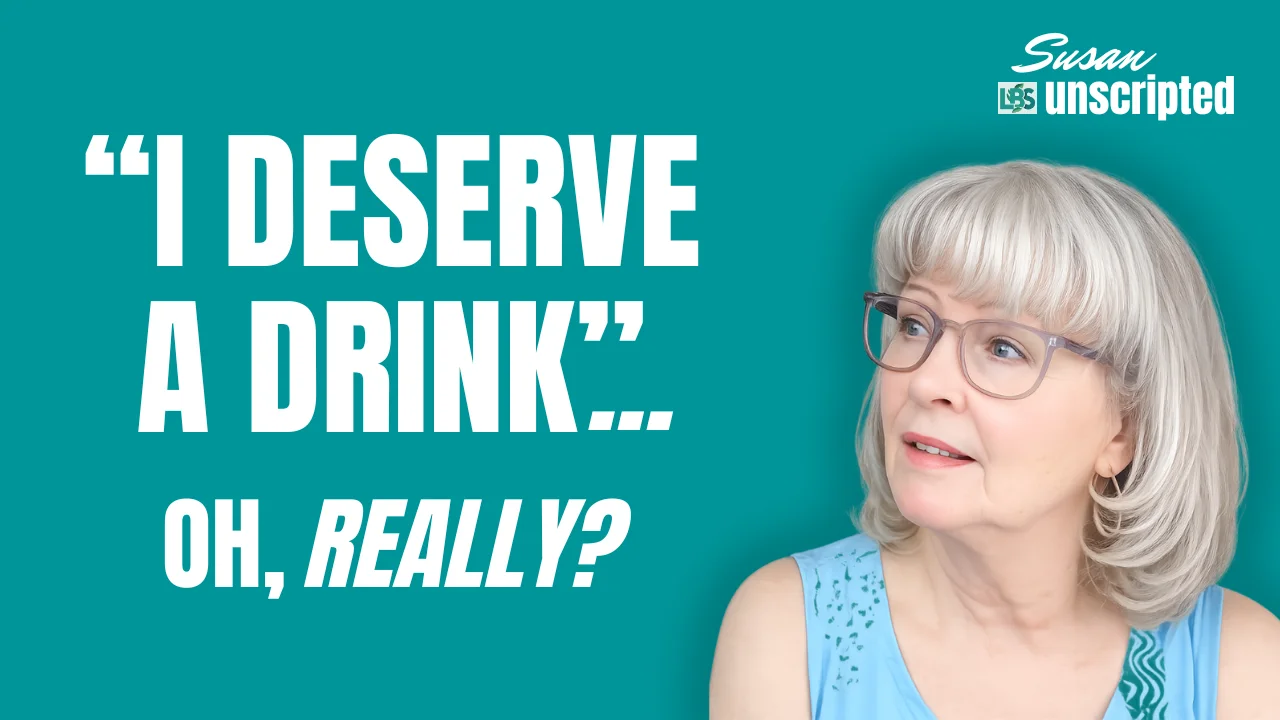
Good day? "I deserve a drink."
Bad day? "I deserve a drink."
Ordinary day? "I deserve a drink."
If every type of day leads to the same conclusion, maybe the day isn't the reason. Susan explains why in this video.
You Were Drinking Before You Drank
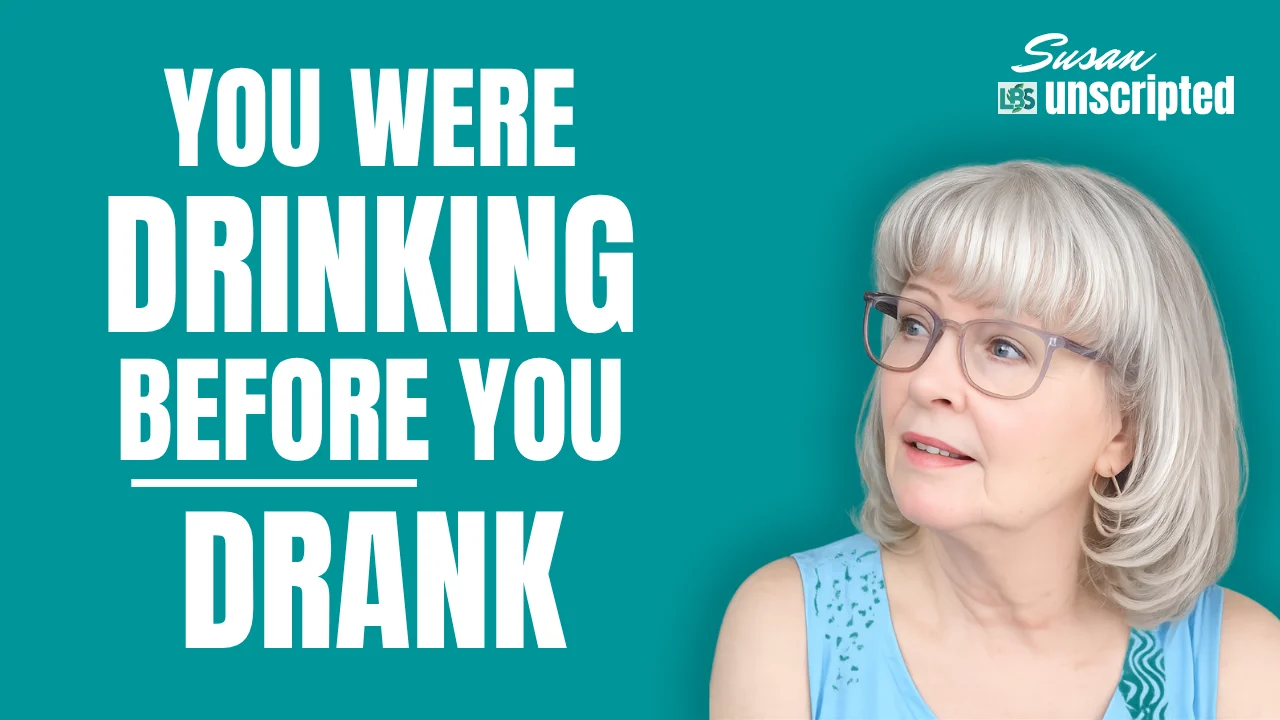
What if the decision to drink was already being made hours before the first sip? In this Susan Unscripted video, Susan explains the hidden transition point that quietly sets the stage for another night of drinking — and why recognizing it can be a powerful step toward change.
I Think Losing Weight Is Harder Than Quitting Drinking
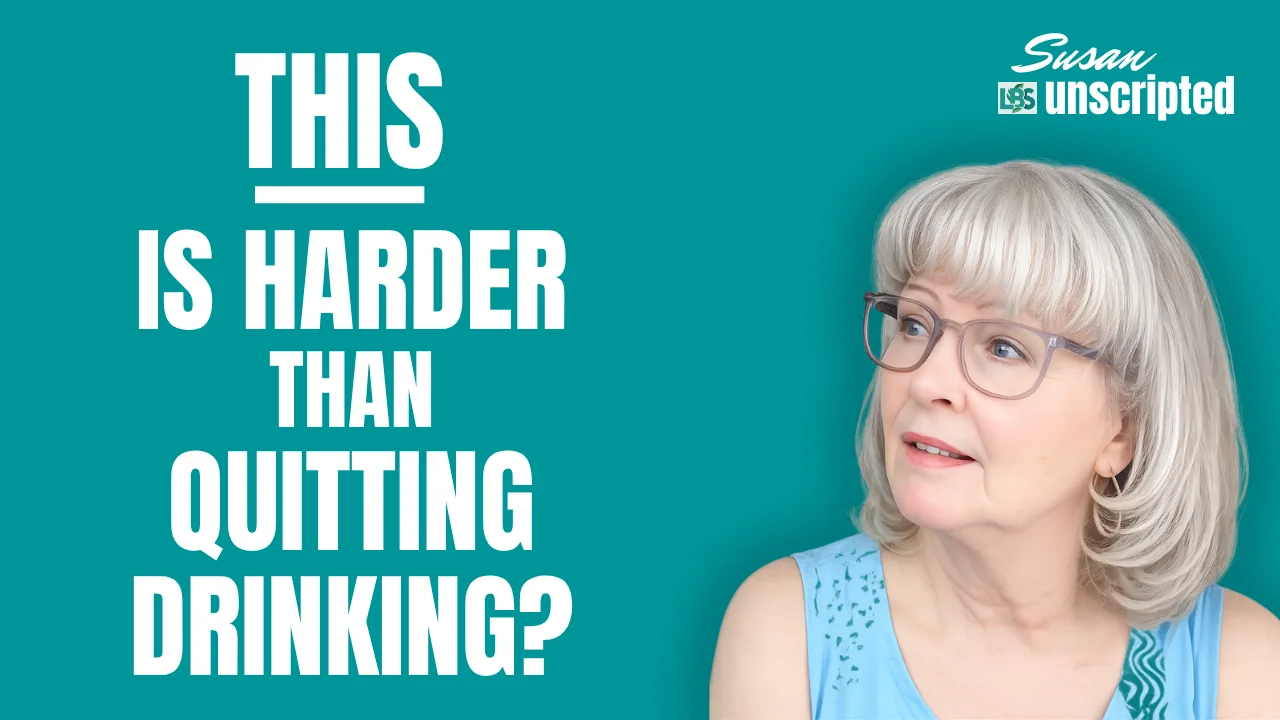
Most people assume quitting drinking is harder than losing weight. Susan shares a different perspective, explaining why success creates motivation, how sober days build momentum, and why managing food can sometimes feel more difficult than giving up alcohol altogether.
Why Quitting Drinking Only Works When You Mean It
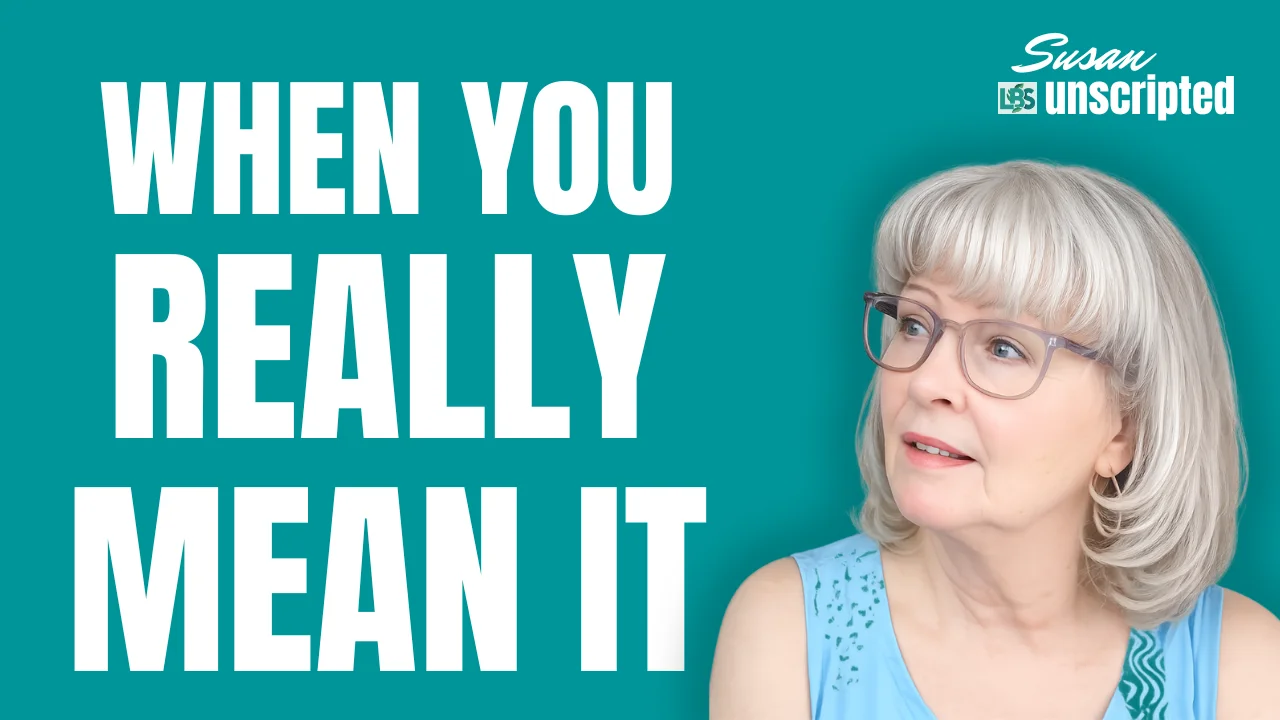
Many people believe a course or program will finally “make” them stop drinking. But lasting change usually begins when something shifts emotionally inside you first. In this honest long-form video, Susan talks about personal rock bottom, emotional readiness, commitment, and how The Somatic Marker Method can help interrupt the nightly drinking habit before the first drink happens.
What if This Time Actually Works?

Many people trying to stop drinking are secretly asking themselves the same question:
“What if I fail again?”
In this honest long-form video, Susan from Live Better Sober explores the fear behind trying to quit drinking after previous attempts did not last. She explains how emotional memory, exhaustion, regret, and deeply personal somatic markers can eventually become stronger than the temporary comfort alcohol once provided — and why this time may actually feel different.
When the Desire Not to Drink Is Stronger
Sometimes the real turning point happens when the emotional exhaustion of drinking finally becomes heavier than the comfort alcohol still seems to provide.
In this Susan Unscripted video, I talk honestly about relapse, somatic markers, emotional memory, and the moment the desire not to drink finally became stronger than the desire to keep drinking.
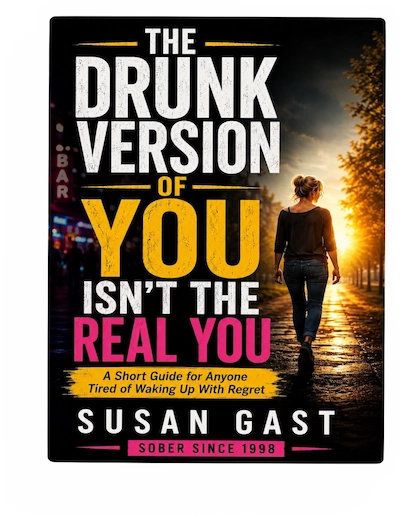
The Drunk Version of You Isn’t the Real You
Alcohol can slowly change the way people think, react, speak, and emotionally behave — especially when nightly drinking becomes deeply repetitive over time.
In this honest reflection, Susan talks about emotional disconnection, personality shifts, regret, and why the drunk version of you is often not the real version underneath it all.
What Life Really Feels Like After Quitting Drinking
What actually changes after quitting drinking — emotionally, mentally, and physically — once the nightly drinking cycle finally stops?
In this honest reflection, Susan talks about the unexpected relief, calmer evenings, fewer regrets, emotional peace, and gradual changes that begin happening once alcohol no longer controls nightly routines.
Did I Inherit the Alcoholic Gene?
Does alcoholism run in families — or are nightly drinking habits shaped more by learned behavior, emotional coping patterns, and repeated routines over time?
In this honest reflection, Susan talks about family history, environment, emotional conditioning, and why understanding the difference between genetics and habit patterns can help people stop blaming themselves.
You Can’t Put a Price on Sobriety

What is sobriety really worth once alcohol no longer controls your evenings, emotions, routines, health, or peace of mind?
In this honest reflection, Susan talks about the hidden emotional cost of nightly drinking — and why long-term sobriety eventually starts feeling far more valuable than alcohol ever did.
Why Does the Urge to Drink Hit Harder at Night?
Why do alcohol cravings often feel stronger in the evening — even after promising yourself you would not drink?
In this honest reflection, Susan talks about nighttime routines, emotional anticipation, stress release, and how the brain slowly learns to associate evenings with alcohol, comfort, and relief after repeated patterns over time.
Why I Kept Wanting to Go Back to Drinking
Why does part of the brain keep pulling people back toward drinking even when they know alcohol is hurting them?
In this honest reflection, Susan talks about familiarity, emotional routines, comfort patterns, and why early sobriety can feel emotionally strange at first — even when deep down you know you want change.
The Real Reason I Quit Drinking
After 20 years of nightly drinking, Susan reflects on the hidden routines, quiet exhaustion, health fears, and emotional turning point that finally made her realize she could not keep living that way anymore.
An honest video reflection about functioning alcoholism, habit loops, planning life around alcohol, and the strange moment when “normal” quietly stops feeling normal.
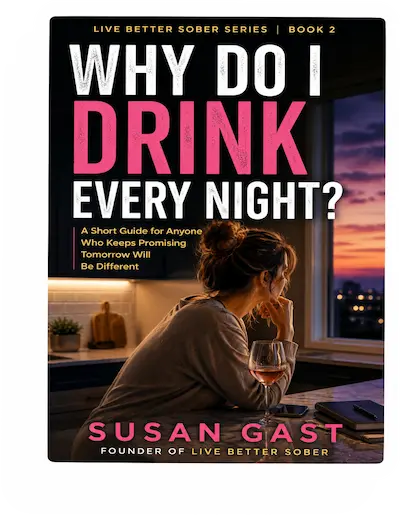
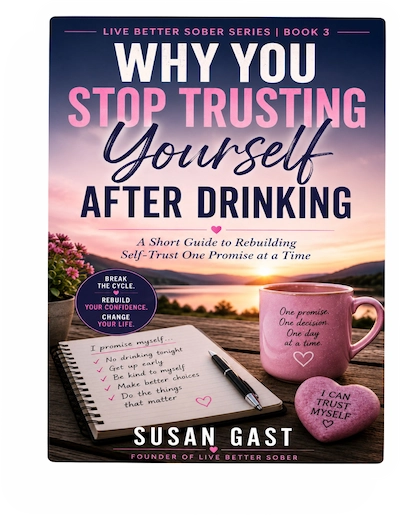
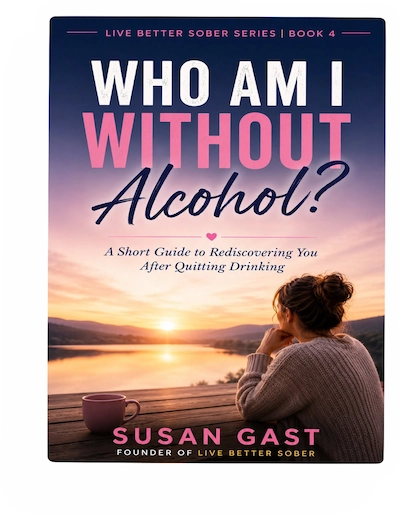
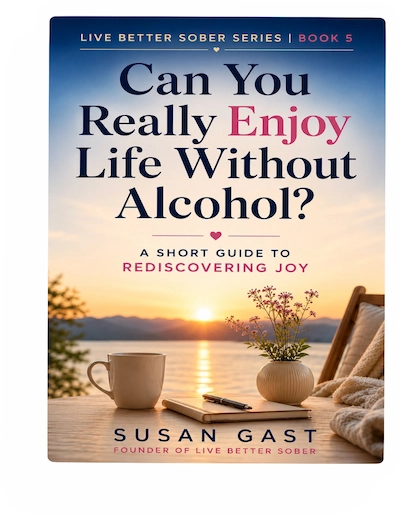
Stay Connected with Live Better Sober
Get new articles, personal stories, podcasts, and practical ideas to help make sober evenings easier.
No lectures. No labels. Just useful support from someone who's been there.


NEWSLETTER
HOME ABOUT CONTACT DISCLAIMER PRIVACY TERMS
FOLLOW US ON:



|
|
|
|
|
SEARCH THIS SITE
LIVE BETTER SOBER IS BASED ON SUSAN GAST'S PERSONAL EXPERIENCE WITH QUITTING ALCOHOL
AND LONG-TERM SOBRIETY.
ALL CONTENT COPYRIGHT © 2026 LIVE BETTER SOBER BY SUSAN GAST • ALL RIGHTS RESERVED REGARDLESS OF LINKS OR ATTRIBUTIONS.
POWERED BY SBI! (SOLO BUILD IT!)
