- HOME
- Susan Unscripted Videos
- Desire Not to Drink
When the Desire Not to Drink Is Stronger

Written by Susan — Quit drinking at 37 • Sober since 1998 • Sharing what actually works
Written by Susan — Quit drinking at 37 • Sober since 1998 • Sharing what actually works
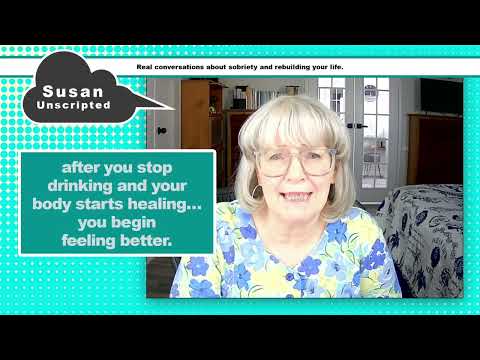
When the desire not to drink is stronger than the desire to drink finally arrives, it usually doesn't appear overnight. For many people, it builds slowly over time as the emotional and physical exhaustion of drinking finally starts outweighing the temporary comfort alcohol once provided.
People often say to change your evening routine if you want to stop drinking. Go for a walk. Drink tea. Take a bath. Distract yourself.
And while those things can absolutely help, I personally do not think they work very well if the desire to drink is still stronger than the desire not to drink.
Because if alcohol still feels emotionally rewarding, your brain will usually keep pulling you back toward it.
✅ Quick Answer: When the desire not to drink is stronger...
When the desire not to drink is stronger — the emotional cost of alcohol finally outweighs the temporary comfort it provides.
Why Changing Your Routine May Not Be Enough
A lot of advice about quitting drinking focuses heavily on replacing routines.
People are told to:
- stay busy
- avoid triggers
- exercise
- distract themselves
- drink sparkling water
- create healthier habits
And while those things can help support recovery, they do not always solve the deeper emotional issue underneath.
If alcohol still feels like:
- relief
- comfort
- escape
- reward
- emotional shutdown
then part of the brain still sees drinking as beneficial.
That is what makes the nightly drinking habit so difficult to break.
The habit is not just physical. It becomes emotional.
My First Serious Attempt to Stop Drinking
My first serious attempt to stop drinking lasted nine months.
Nine months.
I stopped socializing. I stayed home. I tried not to think about alcohol. And for a while, everything seemed fine.
I honestly thought I was cured.
But eventually, I opened a “fake beer.” And before long, I relapsed into the real thing.
Strangely enough, that relapse may have been one of the things that finally helped save me.
Because there is a huge difference between:
- wanting to stop drinking
- hoping you will stop someday
- daydreaming about becoming sober
and reaching the point where you emotionally cannot tolerate what alcohol is doing to you anymore.
That is a very different feeling.
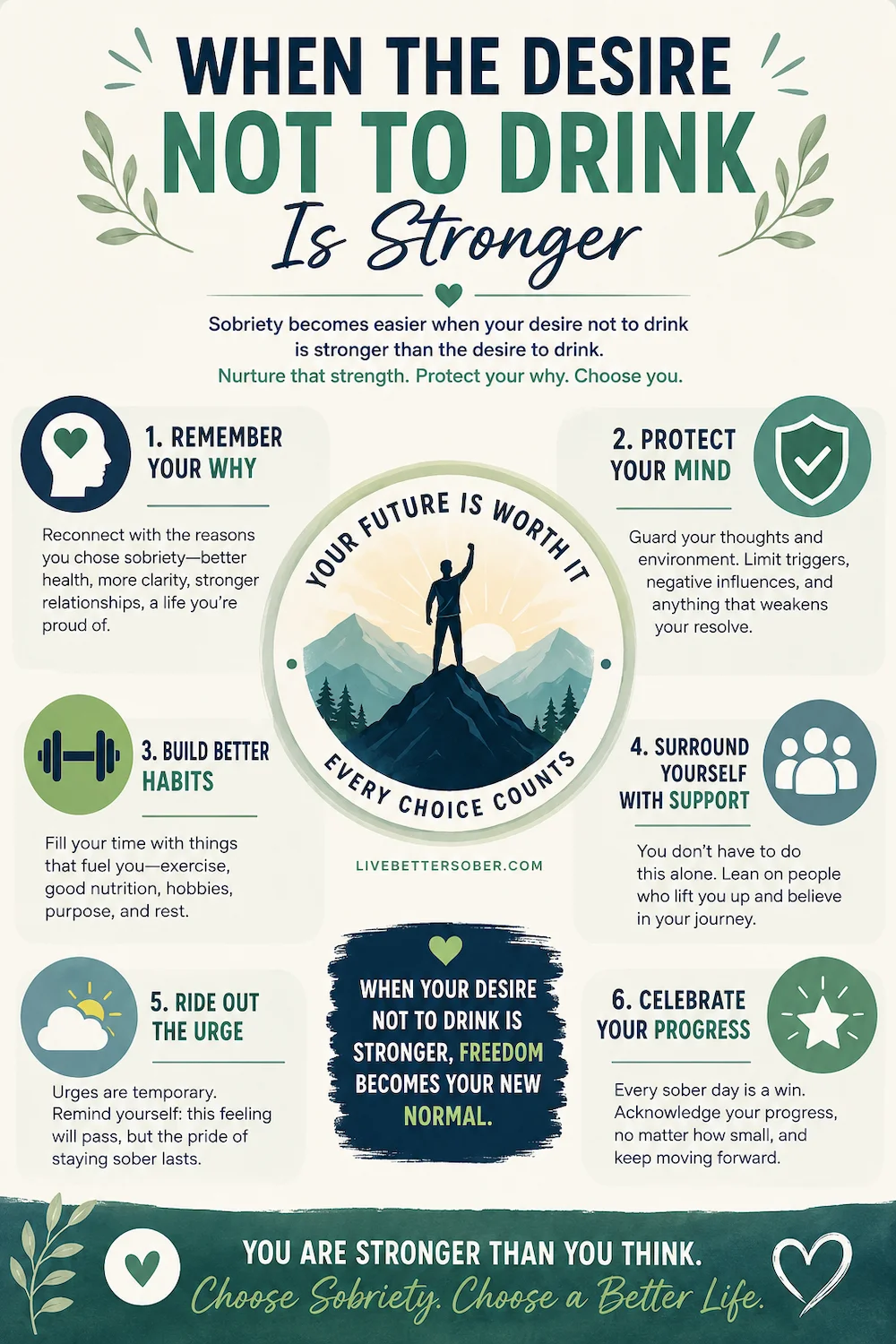
When the Desire Not to Drink Is Stronger
There often comes a point where the desire not to drink becomes stronger than the desire to keep drinking.
That shift changes everything.
For many people, this is what eventually becomes their personal “rock bottom.”
But rock bottom does not always mean:
- losing everything
- public humiliation
- ending up in jail
- complete catastrophe
Sometimes rock bottom is quieter. More private.
Sometimes it is emotional exhaustion. Sometimes it is fear. Sometimes it is waking up one morning and realizing:
“I cannot keep living like this anymore.”
For me, that moment came after becoming horribly physically sick from suspected alcohol poisoning.
The thought of drinking again felt revolting.
And not surprisingly, that memory stayed with me.
How Somatic Markers Helped Me Stay Sober
That horrible memory eventually became my strongest somatic marker. They are the cornerstone of my course.
Whenever my brain started trying to romanticize alcohol again, I deliberately brought that memory back into my mind.
I remembered:
- how sick I was
- how scared I was
- how physically awful it was
- how desperate I was
That emotional memory interrupted the fantasy.
One thing I personally believe is that many people relapse once the painful memories of drinking begin fading emotionally.
When the emotional discomfort weakens, alcohol can slowly start looking appealing again.
That is why remembering honestly matters.
Why Feeling Better Can Sometimes Become Dangerous
One thing people do not talk about enough is this:
After you stop drinking, life often starts improving.
You sleep better. You feel calmer. You think more clearly. You look healthier. Your nervous system starts settling down.
And strangely enough, that is often when dangerous thoughts can return.
The brain starts saying things like:
- “Maybe I could handle one now.”
- “Maybe I overreacted.”
- “It might be fun again.”
- “I’m probably okay now.”
That is why emotional honesty matters so much.
Because the brain can become very selective about what it remembers.
Why I Made This Video
I wanted to make this video because I think many people quietly struggle with this exact emotional conflict.
They want to stop drinking. But at the same time, part of them still emotionally wants alcohol.
That can create enormous frustration and shame.
I also think many people assume they simply “lack willpower” when the real issue is that alcohol still feels emotionally rewarding to part of the brain.
For me, lasting sobriety only became possible once the emotional and physical cost of drinking finally became heavier than the temporary comfort it provided.
That was the real turning point.
Not perfection. Not becoming a different person. Not suddenly gaining magical self-control.
Just a deep, exhausted realization:
I truly did not want to live that way anymore.
→ Back to: Susan Unscripted Videos on Live Better Sober
→ Watch Next: What if This Time Actually Works?
Ready for More Support?
Explore Live Better Sober: Quit Drinking — Break the Alcohol Habit, a practical, shame-free 66-day course designed to help you recognize and interrupt the pattern behind your evening drinking.
➡️ Learn more about the course here: Break the Nightly Drinking Habit
Questions People Quietly Ask Themselves
Why do I still want to drink even though I know it is harming me?
Why do I still want to drink even though I know it is harming me?
Because alcohol often becomes emotionally associated with comfort, relief, reward, or escape. Logic alone usually is not strong enough to overpower emotional conditioning.
Does everyone need to hit rock bottom before quitting drinking?
Does everyone need to hit rock bottom before quitting drinking?
Probably not. Many people stop drinking long before major catastrophe happens. Sometimes the turning point is simply emotional exhaustion and realizing they cannot continue living that way.
What is a somatic marker?
What is a somatic marker?
A somatic marker is an emotional memory connected to a strong experience. In sobriety, painful memories connected to drinking can sometimes help interrupt cravings and reinforce the desire not to drink.
More Susan Unscripted Videos
Susan Unscripted Videos on Live Better Sober
Susan Unscripted videos — honest reflections about quitting drinking, habit loops, emotional clarity, and sober life.
The Real Reason I Quit Drinking
The real reason I quit drinking was exhaustion, fear, and finally realizing I could not keep living that way.
Why I Kept Wanting to Go Back to Drinking
Why I kept wanting to go back to drinking had less to do with alcohol itself and more to do with familiarity.
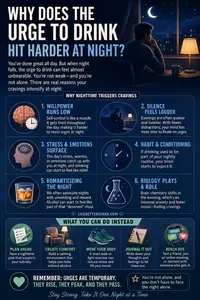
Why Does the Urge to Drink Hit Harder at Night?
Why does the urge to drink hit harder at night? Susan explains the emotional routines behind evening cravings.
You Can’t Put a Price on Sobriety
You can’t put a price on sobriety once you experience the peace, clarity, and freedom alcohol no longer controls.
Did I Inherit the Alcoholic Gene?
Did I inherit the alcoholic gene? Susan reflects on genetics, family drinking patterns, and learned behavior.
What Life Really Feels Like After Quitting Drinking
What life really feels like after quitting drinking may surprise you — especially the emotional relief.
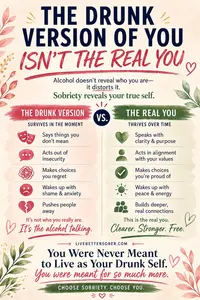
The Drunk Version of You Isn’t the Real You
The drunk version of you isn’t the real you. Susan reflects on alcohol, personality changes, regret, and emotional clarity.
What if This Time Actually Works?
What if this time actually works? Susan explores fear, relapse, emotional exhaustion, and quitting drinking with The Somatic Marker Method.
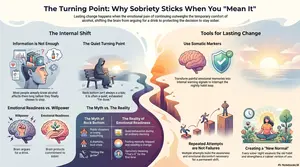
Why Quitting Drinking Only Works When You Mean It
Why quitting drinking only works when you mean it often begins after another morning promise turns into another disappointing evening.

I'm Susan, creator of Live Better Sober, and in January 2028 I'll celebrate 30 years alcohol-free.
Everything on this site comes from my own experience.
I hope that by sharing what I've learned, I can help you break the nightly drinking habit, rediscover yourself, and live better sober, too.
I'm Susan, creator of Live Better Sober, and in January 2028 I'll celebrate 30 years alcohol-free.
Everything on this site comes from my own experience.
I hope that by sharing what I've learned, I can help you break the nightly drinking habit, rediscover yourself, and live better sober, too.
Stay Connected with Live Better Sober
Get new articles, personal stories, podcasts, and practical ideas to help make sober evenings easier.
No lectures. No labels. Just useful support from someone who's been there.


NEWSLETTER
HOME ABOUT CONTACT DISCLAIMER PRIVACY TERMS
FOLLOW US ON:



|
|
|
|
|
SEARCH THIS SITE
LIVE BETTER SOBER IS BASED ON SUSAN GAST'S PERSONAL EXPERIENCE WITH QUITTING ALCOHOL AND LONG-TERM SOBRIETY.
ALL CONTENT COPYRIGHT © 2026 LIVE BETTER SOBER BY SUSAN GAST • ALL RIGHTS RESERVED REGARDLESS OF LINKS OR ATTRIBUTIONS.
POWERED BY SBI! (SOLO BUILD IT!)
