- HOME
- Why Nightly Drinking Sticks
- Wine O'Clock Habit Loop
Wine O'Clock Habit Loop Explained

Written by Susan — Quit drinking at 37 • Sober since 1998 • Sharing what actually works
Written by Susan — Quit drinking at 37 • Sober since 1998 • Sharing what actually works
Wine O'Clock Habit Loop patterns can feel frustratingly automatic. You finish work, reach a certain time of day, or feel a familiar emotion, and suddenly the thought of wine appears almost on its own.
If you've ever wondered why the same evening drinking routine keeps repeating despite your best intentions, understanding the habit loop behind it can help explain what's really happening.
✅ Quick Answer: What is the Wine O'Clock habit loop?
The Wine O'Clock habit loop is a repeating pattern where an evening trigger creates a craving for relief, relaxation, or reward, leading to drinking wine and experiencing a temporary emotional payoff. Understanding the loop can help you interrupt it before the first drink.
What Is the Wine O'Clock Habit Loop?
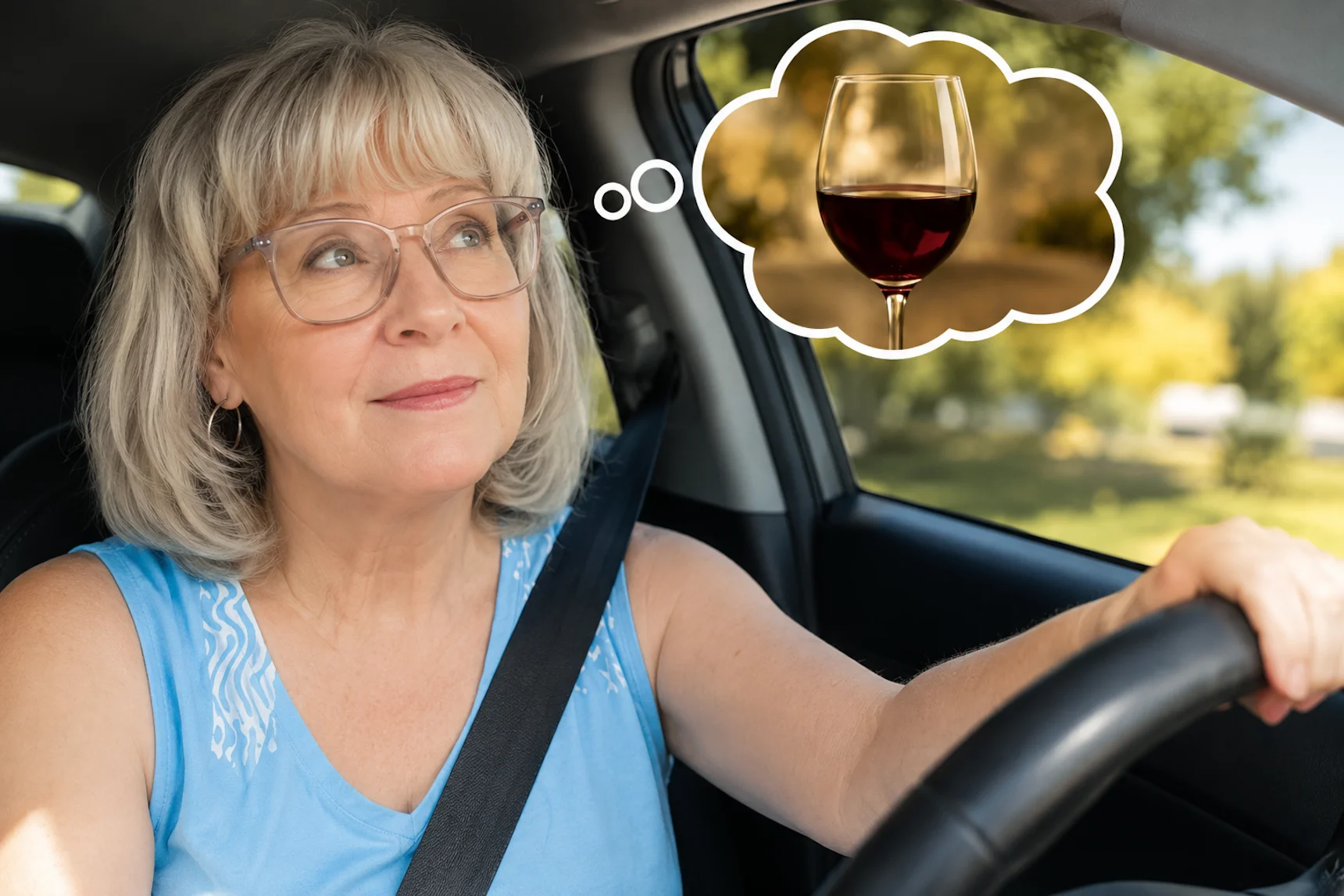
Ever noticed while on your way home from work — or an afternoon shopping trip — that your thoughts turn to that enticing glass of wine? It's the revving up of the habit loop.
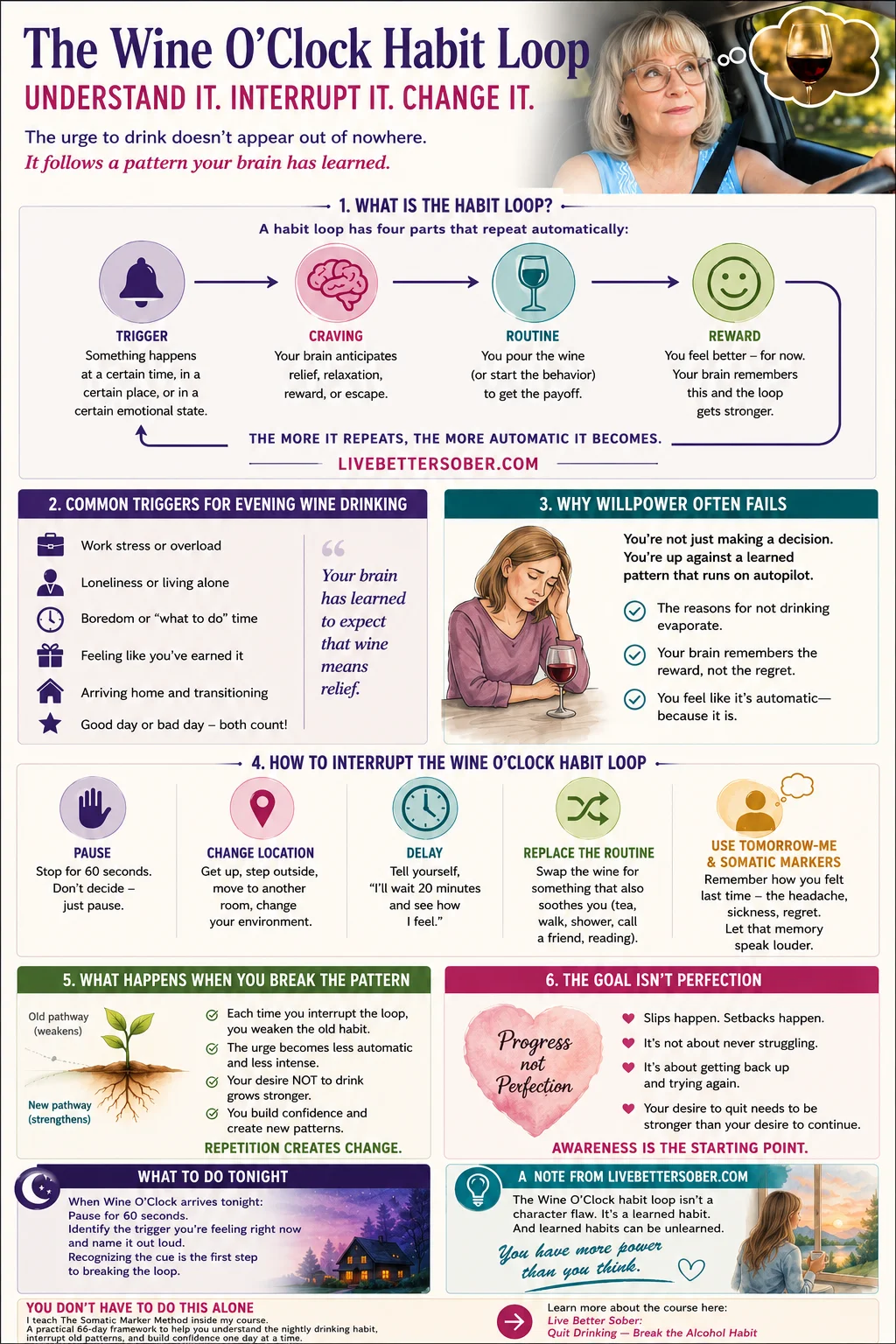
What's a habit loop? A habit loop usually consists of four parts:
- trigger,
- craving,
- routine, and a
- reward.
In the case of Wine O'Clock, the trigger might be finishing work, the craving is wanting to relax, the routine is pouring the wine, and the reward is the temporary feeling of relief or escape.
It's not happening by accident; it's your brain trying to help you out, believe it or not. You see, it learned that thought from remembering your habits.
It's trying to help you by reducing the amount of thinking that requires "yes" or "no" decisions... so it surfaces that pleasant thought of a glass of wine automagically.
And if you're in a receptive mood (and let's face it, you usually are!) the fleeting fancy starts to take root. And moments later you're thinking, "yeah, why not," but the frustrating thing is... only just this morning you swore off drinking when you woke up with one of those hellacious headaches.
Why the Urge Often Starts Before You Pour the Wine
As I said earlier, the urge starts as an automatic brain reflex. It's not like you're sitting there salivating over the taste of alcohol, right?
No, it's what the alcohol does to you, after a few glasses of wine. That's what drinkers go for. Not primarily the taste, but for the buzz.
The Most Common Triggers Behind Evening Wine Drinking
For me, drinking at night covered the gamut of being lonely (because I lived alone) to filling the gap of "what to do" for the rest of the night.
Over time, you believe you've earned the right to a glass or two... whether it's because of the hard day you've had, or maybe it was a super great day! Both reasons bear weight and bring about the same bargaining power.
When you do arrive home, you get comfortable by getting rid of the bra, and before you know it — there's a glass of wine in your hand. How'd it get there?
Your automatic pilot was in charge — that's how. Just like it looks after you when you're driving to familiar places. You start the car — you arrive. All the necessary functions of driving the vehicle during the drive were literally running on your brain's autopilot.
Why Willpower Often Fails at Wine O'Clock
By now you're seeing that you've been fighting an established pattern — rather than simply making a decision not to drink.
The reasons for not drinking evaporated on the way home, didn't they? (I'm nodding my head here).
After days, weeks, months — and in many cases — years, you've learned that after work you go home and relax. And you've equated relaxation with a glass of wine because "you've earned it." It's amazing the stuff the brain can come up with, honestly.
Remember, it's the buzz we're longing for.
The buzz that once eased shyness, the buzz that made you feel special — more attractive — less boring. At least that's how it started for me. And then the buzz gets firmly rooted in a routine.
How to Interrupt the Wine O'Clock Habit Loop
Pause Before You Pour
- Notice the thought.
- Pause before acting on it.
- Identify what's driving the urge.
- Recall a Somatic Marker Moment.
- Wait a few minutes before deciding.
- Make a deliberate choice.
So how do we deal with the urges to drink? Realizing that they probably begin at a certain time of day is key. But of course you can't open a bottle of wine while you're driving. (Shaking head). But you can open a bottle of wine when you get home.
Right then and there is when you take yourself aside, and say, "Look, I know you want me to have a drink, but I'm not doing it."
And yet, thirty minutes later you're pouring that glass of wine like the chastisement didn't happen.
But I know there's a niggling thought right at that moment in your mind. It's like catching your kid with his hand in the cookie jar right before dinner. You know you said you wouldn't, yet here you are. This is the time to stop what you're doing for sixty seconds.
Pause Before You Pour
- Notice the thought.
- Pause before acting on it.
- Identify what's driving the urge.
- Recall a Somatic Marker Moment.
- Wait a few minutes before deciding.
- Make a deliberate choice.
Put the glass down. Giving it the evil eye might work, but if it doesn't? Now's the time to bring up your best Somatic Marker Moment. Start recalling how you felt the morning after that night out when you had six glasses of wine at your friend's birthday party. Ugh. And how you got sick. And the headache the day after. And that horrible alcohol-mouth where you can still taste it. Remember THAT.
Trust me, that's what I did. When that urge to drink arose, I recalled past bad incidents with boozing. That squashed the urge.
What Happens When You Break the Pattern Repeatedly
When you successfully interrupt the urge-to-drink cycle, you'll notice that it weakens, little by little. And the more times you successfully squash that urge, the stronger the desire to not drink again becomes.
If you do not know my story, please read Why I Stopped Drinking at 37. It was only then that I "put two and two together." I've been sober ever since.
The Goal Isn't Perfection
My first attempt at quitting alcohol kept me sober for nine months. Then I fell off the wagon and it was a few years later that I finally quit drinking (Jan 17, 1998).
I didn't think about using somatic markers; I didn't know what they were, and I sure wasn't able to connect the dots back then. I just used white-knuckled willpower to get through the nights.
I most certainly was using "all-or-nothing" thinking back then. But honestly? The desire to quit needs to be stronger than the desire to continue.
Yes, it does depend on how badly you want (or need) to stop drinking.
Becoming aware of your triggers is the starting point.
What to Do Tonight When Wine O'Clock Habit Loop Starts
Tonight, when the usual Wine O'Clock moment arrives, pause for sixty seconds before doing anything else.
Identify the trigger you're experiencing right now and name it out loud. Simply recognizing the cue is often the first step toward interrupting the habit loop.
Once you understand your own Wine O'Clock habit loop, you begin to see that the urge isn't appearing out of nowhere. It's following a learned habit, and learned habits can be unlearned.
Understand the Habit More Deeply
The nightly drinking habit rarely comes down to just one thing. Stress, routines, emotional triggers, and automatic thought patterns often work together in ways that aren't obvious until you begin looking more closely.
If today's page resonated with you, the articles below can help you understand why nightly drinking sticks—and, more importantly, how those patterns can begin to change.
→ Explore all Why Nightly Drinking Sticks articles
Ready for More Support?
Explore Live Better Sober: Quit Drinking — Break the Alcohol Habit, a practical, shame-free 66-day course designed to help you recognize and interrupt the pattern behind your evening drinking.
➡️ Learn more about the course here: Break the Nightly Drinking Habit
Frequently Asked Questions
Why do I crave wine at the same time every evening?
Why do I crave wine at the same time every evening?
Because your brain learns to associate certain times, emotions, and routines with drinking. After a while, those cues automatically trigger anticipation and cravings.
Is the Wine O'Clock habit loop a sign of alcohol dependence?
Is the Wine O'Clock habit loop a sign of alcohol dependence?
Not necessarily. Many people develop strong drinking habits through repetition alone. However, if stopping feels extremely difficult or alcohol is causing problems in your life, additional support may be helpful.
Can I break the Wine O'Clock habit loop without giving up wine forever?
Can I break the Wine O'Clock habit loop without giving up wine forever?
Many people begin by focusing on interrupting the pattern rather than worrying about forever. Learning to break the automatic routine is often the first step toward lasting change.
Why does the urge feel so strong after work?
Why does the urge feel so strong after work?
The end of the workday often acts as a powerful trigger because your brain has learned to associate that transition with relaxation, reward, or stress relief.
How long does it take to weaken an evening drinking habit?
How long does it take to weaken an evening drinking habit?
Everyone is different, but repeated interruptions of the habit loop can gradually reduce the automatic pull eventually. Consistency matters more than perfection.
Why Nightly Drinking Sticks
Why Do I Drink Every Night? And Why It’s Hard to Stop
Why do I drink every night? Discover what’s really driving the habit and how to break it without willpower.
Why Is It Hard to Stop Drinking at Night?
Why is it hard to stop drinking at night? Learn why evening drinking feels so difficult and how to change it.
Drinking to Shut Off Thoughts: Why It Happens
Drinking to shut off thoughts can feel like relief in the moment. Learn why it happens and what to do instead tonight.
Reward Drinking After a Hard Day: Why It Sticks
Reward drinking after a hard day can become an automatic nightly habit. Learn why it happens and what to do instead.
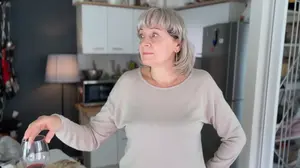
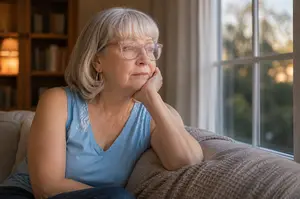

I'm Susan, creator of Live Better Sober, and in January 2028 I'll celebrate 30 years alcohol-free.
Everything on this site comes from my own experience.
I hope that by sharing what I've learned, I can help you break the nightly drinking habit, rediscover yourself, and live better sober, too.
I'm Susan, creator of Live Better Sober, and in January 2028 I'll celebrate 30 years alcohol-free.
Everything on this site comes from my own experience.
I hope that by sharing what I've learned, I can help you break the nightly drinking habit, rediscover yourself, and live better sober, too.

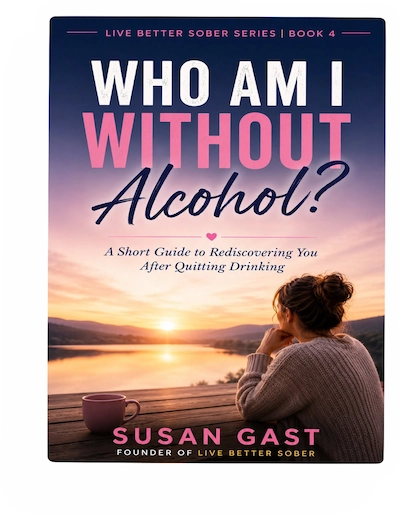
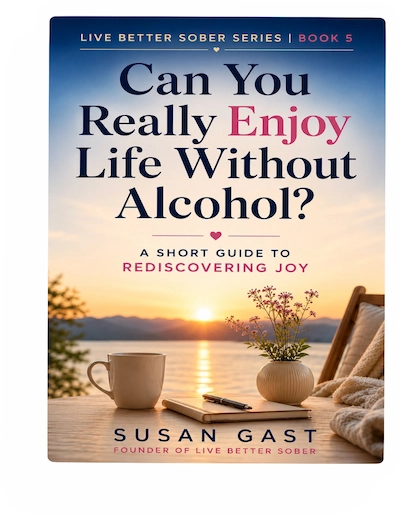
Stay Connected with Live Better Sober
Get new articles, personal stories, podcasts, and practical ideas to help make sober evenings easier.
No lectures. No labels. Just useful support from someone who's been there.


NEWSLETTER
HOME ABOUT CONTACT DISCLAIMER PRIVACY TERMS
FOLLOW US ON:



|
|
|
|
|
SEARCH THIS SITE
LIVE BETTER SOBER IS BASED ON SUSAN GAST'S PERSONAL EXPERIENCE WITH QUITTING ALCOHOL
AND LONG-TERM SOBRIETY.
ALL CONTENT COPYRIGHT © 2026 LIVE BETTER SOBER BY SUSAN GAST • ALL RIGHTS RESERVED REGARDLESS OF LINKS OR ATTRIBUTIONS.
POWERED BY SBI! (SOLO BUILD IT!)
