- HOME
- The Live Better Sober Approach
- Somatic Marker Method
Somatic Marker Method Overview


Written by Susan — Quit drinking at 37 • Sober since 1998 • Sharing what actually works
Written by Susan — Quit drinking at 37 • Sober since 1998 • Sharing what actually works
This Somatic Marker Method overview is about remembering what a drinking experience genuinely felt like — physically and emotionally — and using that honest memory to help you make a different choice next time.
It isn’t about frightening yourself, dwelling on the past, or treating one painful night as proof that you’ve failed. It’s about holding on to the lesson before time softens the memory and the promise of relief persuades you that it wasn’t really that bad.
✅ Quick Answer: What is the Somatic Marker Method?
The Somatic Marker Method grew from Susan Gast’s personal realization that deliberately recalling the physical and emotional reality of past bad drinking experiences was a powerful way to reduce the urge to drink — and it worked. She later discovered that Antonio Damasio’s somatic marker hypothesis provides a scientific framework that may help explain her experience: emotional and bodily signals associated with past outcomes can influence later decisions.
Somatic Marker Method Overview in Plain English
Some drinking experiences teach us something important. You might wake feeling ashamed, frightened, physically ill, or deeply disappointed in yourself and think, “I never want to feel like this again.”
At first, the lesson feels unmistakable. Then the discomfort fades, and we begin to soften what happened. We tell ourselves it wasn’t really that bad, that next time will be different, or that we deserve a drink after the day we’ve had.
When I quit drinking at age 37, I discovered that deliberately recalling the physical and emotional reality of my own drinking experiences could strongly influence my next decision.
I kept using it every time an urge to drink struck because it completely squashed my desire to drink!
That discovery became the basis of The Somatic Marker Method. The method helps you hold on to what your experience has already taught you — without using that memory to shame, frighten, or punish yourself.
Why Knowing What Happened Is Not Always Enough
You can know that drinking caused a problem without retaining the full weight of what happened. The facts remain — you drank too much, felt ill, said something you regret, or woke wishing you could undo the night — but the feelings connected with those facts begin to fade.
Time diminishes the painful parts. Your familiar routine returns, you start feeling better, and yesterday’s certainty loses some of its force. By evening, the promise of relief may feel more immediate than the consequences you experienced the night before. You still remember what happened, but the memory no longer carries the same persuasive power.
That doesn’t mean you lack willpower or don’t care enough. It means the immediate desire to relax can easily overshadow an experience that now belongs to yesterday. The Somatic Marker Method helps you retain the full significance of that experience so you can bring its honest lesson into today’s decision.
What Is a Somatic Marker?
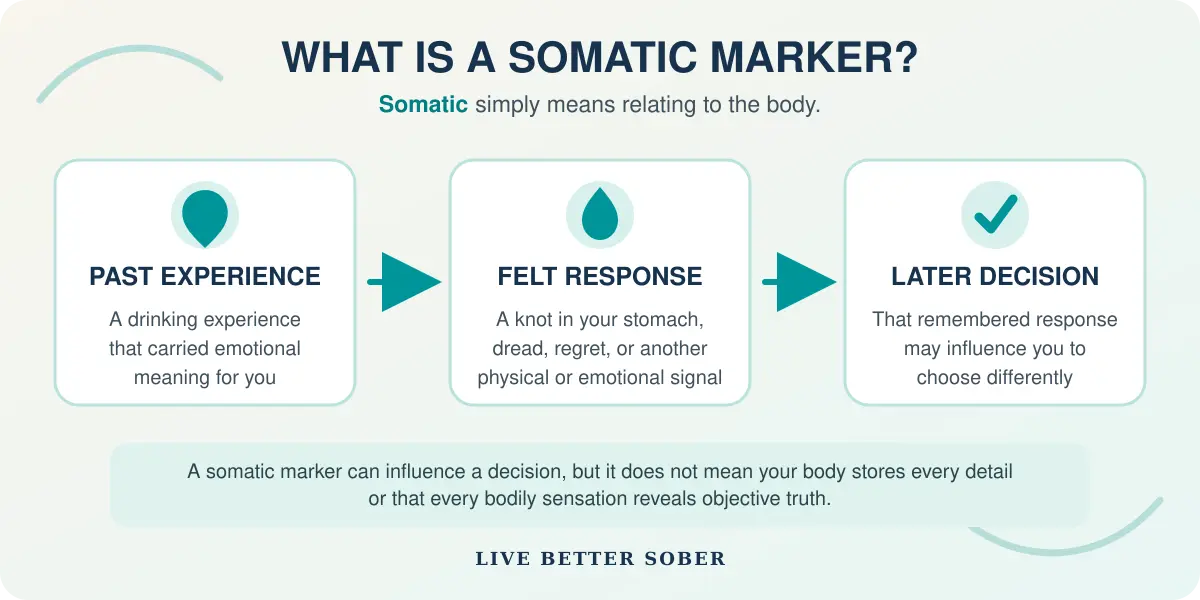
“Somatic” simply means relating to the body. A somatic marker is a physical or emotional response that has become associated with the outcome of a previous experience.
For example, remembering a bad drinking incident might bring back a knot in your stomach, a feeling of dread, or the certainty that you never want to experience that again. That response doesn’t mean your body stores every detail or always tells you an objective truth. It means the experience left enough of an emotional and physical impression to influence a later decision.
The Scientific Idea Behind Somatic Markers
Years after I quit drinking, I learned about neuroscientist Antonio Damasio’s somatic marker hypothesis. He proposed that physical and emotional responses associated with past outcomes can help influence later decisions, especially when we feel uncertain about what to do.
I didn’t know about Damasio’s work when I began using my past bad drinking experiences to remain sober. I had already discovered through experience how powerfully those memories could affect my next choice. His hypothesis simply helped me understand why.
How the Somatic Marker Method Applies to Nightly Drinking
Nightly drinking can become persuasive because the mind focuses on what the first drink promises: relief, relaxation, or a way to shut off the day. It rarely presents the complete outcome when you’re deciding whether to drink.
I learned to bring that missing part back into the decision. I recalled the Christmas Day when, after walking several laps around a field for exercise, I decided to have a few glasses of sherry late that morning. The sherry made me tired, I fell asleep, and I missed our Christmas dinner at two o’clock. I remembered driving after a few drinks and narrowly avoiding an empty flatbed trailer that crossed directly in front of me. Most powerfully, I remembered how physically ill I felt on January 17, 1998, after my final night of drinking.
I didn’t revisit those experiences to punish or shame myself. I used them to counter the selective promise of that first drink. Instead of remembering only the anticipated relief, I deliberately recalled where drinking had actually taken me. That honest comparison completely removed my desire to drink — and I repeated it whenever another urge appeared.
Try This Tonight: Preserve One Honest Lesson
Choose one unsavory drinking experience that you believe could help you resist a future urge to drink.
Bring the complete experience to mind — not only what happened, but how it genuinely affected you physically and emotionally.
Recall only what feels honest and useful.
Don’t exaggerate what happened, judge yourself for it, or force yourself to revisit details that feel overwhelming.
The workbook below gives you a private place to record your own Somatic Marker Moments and preserve the lessons you want to remember whenever another urge appears.
Try This Tonight: Preserve One Honest Lesson
Choose one unsavory drinking experience that you believe could help you resist a future urge to drink. Bring the complete experience to mind — not only what happened, but how it genuinely affected you physically and emotionally.
Recall only what feels honest and useful. Don’t exaggerate what happened, judge yourself for it, or force yourself to revisit details that feel overwhelming.
The workbook below gives you a private place to record your own Somatic Marker Moments and preserve the lessons you want to remember whenever another urge appears.
Continue Exploring The Live Better Sober Approach
Every woman finds her own path, but understanding why your nightly drinking habit developed can make that path much easier. Explore the ideas behind the Live Better Sober approach, including habit loops, Somatic Marker Moments, and building lasting change without shame.
→ Browse all Live Better Sober Approach articles
Ready for More Support?
Explore Break the Nightly Drinking Habit, a practical, shame-free 66-day course designed to help you recognize and interrupt the pattern behind your evening drinking.
➡️ Learn more about the course here: Break the Nightly Drinking Habit
Frequently Asked Questions
What is a somatic marker in simple terms?
What is a somatic marker in simple terms?
A somatic marker is a physical or emotional response associated with a past experience that can influence a later decision. It may appear as tension, uneasiness, relief, certainty, or another noticeable feeling connected with what happened before.
Should I Recall My Worst Drinking Experience?
Should I Recall My Worst Drinking Experience?
Your worst drinking experience may become your most powerful Somatic Marker Moment. Recalling what happened, how it affected you, and why you wanted to quit can reinforce your decision and provide a powerful reminder when another urge appears.
The goal isn’t to make yourself suffer through the experience again. It’s to preserve the truth and the lesson it gave you. Recall what feels useful, but don’t force yourself through details that become overwhelming. If the memory feels traumatic rather than helpful, consider working through it with an appropriate mental health professional.
Will recalling a somatic marker immediately stop a craving?
Will recalling a somatic marker immediately stop a craving?
For me, it did. Bringing the complete experience back to mind reminded me of the whole truth about drinking instead of just the temporary relief.
Can I create a somatic marker after a slip?
Can I create a somatic marker after a slip?
Yes. If a slip happens, it can become a valuable Somatic Marker Moment. Recalling what happened, how you felt afterward, and why you wanted to quit can help preserve the lesson from that experience.
If you're feeling disappointed, frustrated, or annoyed with yourself after a slip, don't waste the opportunity. That experience may become one of the most honest reminders of why you want to stop drinking.
Is the Somatic Marker Method therapy or medical treatment?
Is the Somatic Marker Method therapy or medical treatment?
No. It's not therapy or a medical treatment. If you need medical care, therapy, or support to stop drinking safely, this method isn't a substitute for that care.
The Live Better Sober Approach
Alternatives to AA — What if Meetings Aren’t for You?
Looking for alternatives to AA? Discover supportive, non-traditional approaches to quitting drinking that don’t rely on meetings or labels.
How to Stop Drinking Without AA
How to stop drinking without AA using practical routines, realistic habit change, and simple nightly strategies that actually stick
Shame-Free Sobriety Approach That Actually Helps
Shame-free sobriety approach means learning from your drinking years without carrying lifelong self-condemnation.
How to Recover After a Slip Without Spiraling
Learn how to recover after a drinking slip without shame, use last night as honest information, and choose one helpful next step.
How to Identify Your Drinking Triggers
How to identify your drinking triggers by noticing the situations, feelings, and body signals connected to your evening urge to drink.
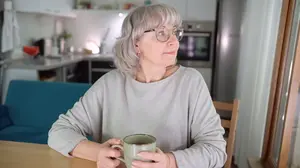





I’m Susan, creator of Live Better Sober, and in January 2028 I’ll celebrate 30 years alcohol-free.
I created this site to share a calmer, more practical approach for people who want to break the nightly drinking habit and build a better life without alcohol.
I’m Susan, creator of Live Better Sober, and in January 2028 I’ll celebrate 30 years alcohol-free.
I created this site to share a calmer, more practical approach for people who want to break the nightly drinking habit and build a better life without alcohol.


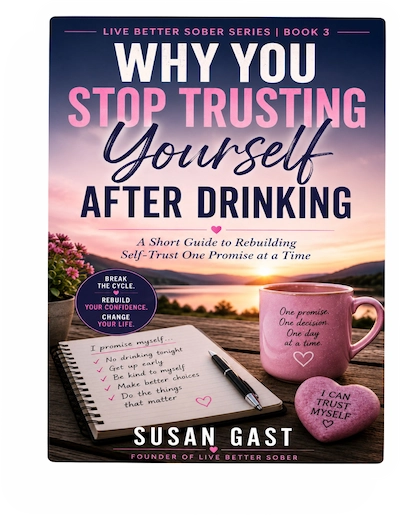


Stay Connected with Live Better Sober
Get new articles, personal stories, podcasts, and practical ideas to help make sober evenings easier.
No lectures. No labels. Just useful support from someone who's been there.


NEWSLETTER
HOME ABOUT CONTACT DISCLAIMER PRIVACY TERMS
FOLLOW US ON:



|
|
|
|
|
SEARCH THIS SITE
LIVE BETTER SOBER IS BASED ON SUSAN GAST'S PERSONAL EXPERIENCE WITH QUITTING ALCOHOL
AND LONG-TERM SOBRIETY.
ALL CONTENT COPYRIGHT © 2026 LIVE BETTER SOBER BY SUSAN GAST • ALL RIGHTS RESERVED REGARDLESS OF LINKS OR ATTRIBUTIONS.
POWERED BY SBI! (SOLO BUILD IT!)
