- HOME
- Shame-Free First Steps
- Talking Yourself Out of Drinking
- I Poured a Drink — Now What?
I Already Poured a Drink. Now What?


Written by Susan — Quit drinking at 37 • Sober since 1998 • Sharing what actually works
Written by Susan — Quit drinking at 37 • Sober since 1998 • Sharing what actually works
The bottle is open. The drink is poured. Maybe you're standing in the kitchen after a long day, listening to the ice cubes clink against the glass. Maybe you're already reaching for that first sip without even thinking about it.
Then suddenly you catch yourself.
You panic and ask yourself, "I already poured a drink — now what?"
If that's where you are right now, you're not alone.
✅ Quick Answer: I already poured a drink — now what?
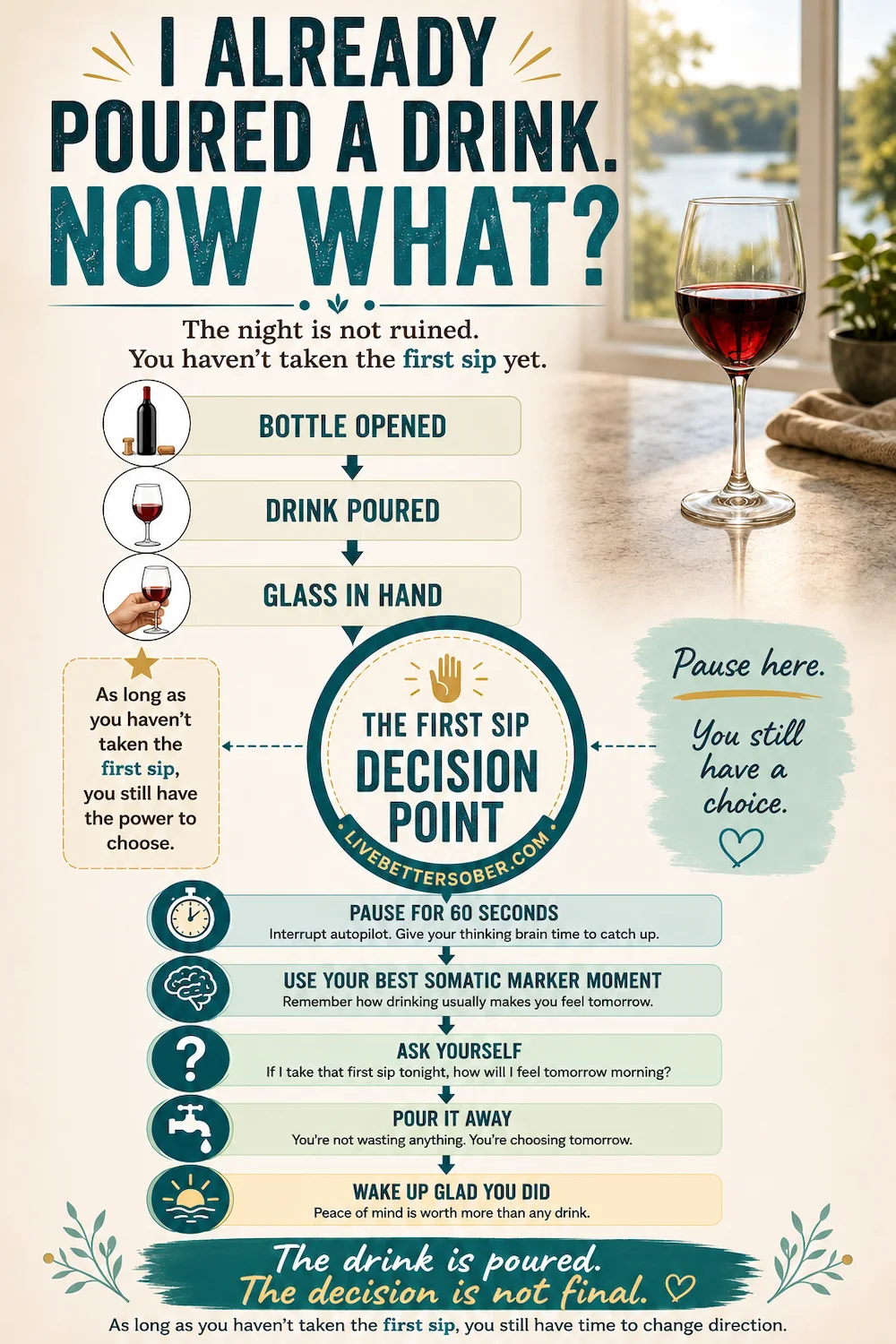
The drink is poured, but you haven't taken the first sip yet. That means you still have time to change direction. Put the glass down, step away for sixty seconds, and give your thinking brain a chance to catch up with your drinking habit. One minute can change the rest of your evening.
Before you tell yourself you're weak, or start thinking, "What's the point now?", take a step back.
Be thankful that you noticed what's happening.
What you're experiencing is the after-work cycle, the end-of-day routine, the drinking habit running on autopilot. The drink may already be poured, but the night is not lost. You haven't taken the first sip yet, and that means you still have a choice.
First Things First: The Night Is Not Ruined
If you've been a drinker for any length of time, you know how familiar the routine becomes. Think about how your mornings begin. There's usually no big debate about whether you'll have coffee or not. You pour a cup and get on with your day. Barely a thought is required.
That's the brain on autopilot. It's doing what it was designed to do: save energy by turning repeated actions into habits. Otherwise, we'd spend all morning making hundreds of unnecessary decisions.
But back to the drink you've just poured.
Bear in mind that:
- Pouring the drink is not drinking.
- Opening a bottle or can is not drinking.
- Holding the glass is not drinking.
In fact, this is the exact moment when you need to bring your full awareness to what's literally at hand.
Many people blur all of these steps together and tell themselves, "I've already gone this far, so I might as well drink it." That's the biggest lie of the evening.
The line that matters is not when the bottle was opened. It is not when the drink was poured. It is not even when the glass touched your hand.
The line is the first sip.
And if you haven't crossed that line yet, the decision is still yours to make.
Try This 60-Second Pause Before Anything Else
Before you decide what to do with the drink, give yourself sixty seconds. Not sixty minutes. Not forever. Just sixty seconds to interrupt the autopilot and bring your conscious mind back into the conversation.
Use Your Best Somatic Marker Moment Right Now
You don't need willpower right now. You don't need a lecture about alcohol. And you certainly don't need to start beating yourself up because the drink is already poured.
What you need is a reminder.
Bring to mind your strongest Somatic Marker Moment.
- Maybe it was waking up at 3 a.m. full of anxiety.
- Maybe it was the shame of another broken promise to yourself.
- Maybe it was looking in the mirror one morning and realizing you were tired of living the same evening over and over again.
For me, it was remembering exactly how awful I felt on the morning of January 17, 1998, after my final drinking session the night before. The details of that morning remain vivid in my memory even now. Whenever I was tempted to drink again, I didn't focus on the drink itself. I focused on the outcome.
That's the power of a Somatic Marker Moment. It reconnects the drink in front of you with the outcome you've experienced before.
For the next sixty seconds, make that memory as vivid as possible.
- Remember how you felt.
- Remember what you thought.
- Remember what you promised yourself.
Then ask one simple question:
If I take that first sip tonight, how am I likely to feel tomorrow morning?
Be honest.
Don't think about the first sip.
Think about where the first sip usually leads.
If the answer becomes clear, pour the drink away.
The drink is already poured, but the decision is not final. As long as you haven't taken that first sip, you still have the ability to change what happens next.
Why This Moment Feels So Hard
If you're still looking at that glass of alcohol — and feeling frustrated because this is hard — it's because you've probably repeated this routine hundreds or thousands of times.
Your brain isn't trying to sabotage you.
It's simply running a familiar script.
The good news is that you've already interrupted that script by noticing it.
Habit loops are incredibly powerful. They help us move through our day without having to stop and think about every little action. That's useful when we're brushing our teeth, getting dressed, driving familiar routes, or making our morning coffee.
The problem comes when an unhelpful habit becomes just as automatic.
For many nightly drinkers, the end of the workday becomes linked to pouring a drink. After enough repetition, the routine can feel almost automatic. You finish work, walk into the kitchen, reach for the bottle, and pour a drink before you've really thought about it.
That doesn't mean you're weak. It means you've practiced the routine many times.
The encouraging news is that habits can be changed. Just as you trained your brain to associate the evening with drinking, you can train it to follow a different path. It takes time and repetition, but every time you pause and interrupt the old routine, you're teaching your brain something new.
I Already Poured a Drink — Now What?
So there it sits.
It's amazing how a simple glass of alcohol can seem to hold so much power over your thinking. A few minutes ago, pouring the drink may have felt automatic. Now you're looking at it differently.
Here are a few options:
Pour It Away
This is my favorite option.
Once you've reminded yourself why you wanted to stop drinking in the first place, pour the drink down the sink and be done with it.
Don't feel guilty about wasting it.
The real waste would be another evening spent doing something you no longer want to do.
Swap It For Something Else
Pour yourself a soda, sparkling water, tea, or another favorite alcohol-free drink.
Sometimes the habit isn't just about the alcohol. It's also about having something in your hand and marking the end of the day.
Making the switch can feel surprisingly empowering.
Leave It And Walk Away
If pouring it away feels like too much right now, leave it where it is and walk away for a while.
- Change rooms.
- Take a short walk.
- Read a few pages of a book.
Give yourself more time before making a decision.
Put It In The Fridge For Ten Minutes
I have to admit this is my least favorite option. To me, it can feel a bit like keeping the door open for the drink to make a comeback.
But if putting it away for ten minutes helps you break the immediate autopilot response, it may be enough to help you regain your footing.
If Your Brain Says, "I Might As Well Drink It Now"
If I had a dime for all the times I'd stared down a glass of whiskey and Coke and muttered to myself, "I might as well drink it now," before that final drinking session in 1998, I'd be a wealthy woman.
It's a sneaky little thought.
The drink is poured.
The bottle is open.
You've already gone this far.
So your brain starts looking for reasons to finish the job.
Nobody likes to throw things away. It's hard enough getting rid of food you've paid good money for. Believe me, I've tossed more than my fair share of potato chips and ice cream after deciding they weren't doing me any favors.
But here's the difference:
You need food to live.
You do not need alcohol to live.
The fact that you've already poured the drink doesn't create an obligation to drink it.
That's sunk-cost thinking.
The alcohol has already been poured. Whether you drink it or pour it away won't change that fact.
What you can change is what happens next.
And even if you've already taken a sip, all is not lost.
One sip doesn't mean the evening is ruined and it doesn't mean you've failed. It doesn't erase your progress, either.
The sooner you interrupt the "I've already blown it" thinking, the easier it becomes to change direction.
The goal isn't perfection.
The goal is to stop the spiral before it gathers momentum.
What If I Already Took A Sip?
So you succumbed and took a sip.
A sip is not six drinks by any stretch.
- One sip is not the same as giving up.
- One sip is not the same as abandoning your goal.
- And one sip certainly does not equal failure.
Try not to fall into the trap of all-or-nothing thinking.
For years, I thought everything had to be perfect. If I slipped, I felt like I'd ruined the entire effort. But that's simply not true.
A single sip doesn't determine the rest of your evening.
Your next decision does.
Maybe you've already tasted the drink. Maybe you've even had a second sip. Stop right there and ask yourself whether you want to continue down the familiar path or change direction now.
There isn't a "single-sip sobriety breath test" sitting in front of you waiting to declare you a failure.
Let the sip go.
But pour the rest of the drink down the sink.
I rather like that rhyme.
More importantly, I like the message behind it.
The evening isn't over unless you decide it is.
The Real Win Tonight
Whether you poured the drink down the sink, took a sip, or simply paused long enough to think things through, give yourself a well-deserved pat on the back.
Why?
Because the real win tonight isn't perfection.
The real win is that you interrupted the pattern.
Instead of blindly following the same evening routine you've followed countless times before, you stopped and became aware of what was happening.
That matters.
As time passes, the evening drinking routine becomes easier to recognize and easier to manage. The more often you pause, question the habit, and make conscious decisions, the weaker the old routine becomes.
Remember, you don't have to win every battle perfectly to make progress.
You simply need to keep showing up and practicing a different response.
And if you haven't already done so, download your copy of My Somatic Marker Moments Workbook. It will help you identify and strengthen the memories that remind you why you want to stop drinking in the first place.
One interrupted habit loop at a time, lasting change becomes possible.
Related Podcast
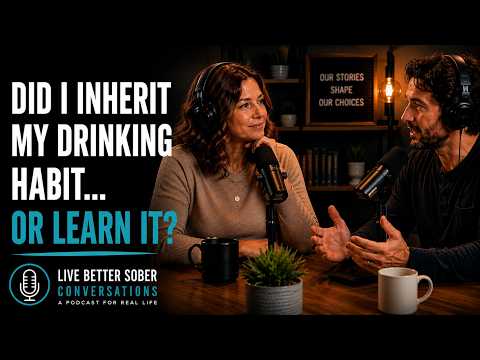
This podcast also touches on the topic discussed on this page and offers additional perspective. You can listen to it below.
Continue Exploring Shame-Free First Steps
If you've started questioning your relationship with alcohol, you're already taking an important first step. These articles are designed to help you move forward without shame, pressure, or labels. Explore practical guidance, gentle encouragement, and real-life insights that can help you build confidence one sober decision at a time.
→ Browse all Shame-Free First Steps articles
Ready for More Support?
Explore Live Better Sober: Quit Drinking — Break the Alcohol Habit, a practical, shame-free 66-day course designed to help you recognize and interrupt the pattern behind your evening drinking.
➡️ Learn more about the course here: Break the Nightly Drinking Habit
If you drink heavily every day, have experienced alcohol withdrawal symptoms before, or are unsure whether it is safe to stop suddenly, speak with a healthcare professional before making major changes to your drinking.
Frequently Asked Questions
Do I have to pour the drink away?
Do I have to pour the drink away?
No. The goal is not to follow a rule. The goal is to interrupt the automatic routine. That said, if you've decided you don't want to drink it, pouring it away is often the simplest way to remove the temptation.
What if I pour a drink every night?
What if I pour a drink every night?
That's exactly why this page exists. Nightly drinking often becomes a deeply rehearsed habit rather than a conscious decision. The more often you pause, question the routine, and interrupt the pattern, the easier it becomes to recognize what's really happening.
Why do I feel compelled to finish it?
Why do I feel compelled to finish it?
Many of us dislike wasting things. Once the drink is poured, the brain starts looking for reasons to justify finishing it. That's called sunk-cost thinking. The drink being poured does not obligate you to drink it.
What should I drink instead?
What should I drink instead?
Choose something you genuinely enjoy. Sparkling water, soda, tea, flavored water, or another alcohol-free drink can help satisfy the habit of holding and sipping a beverage while you build new evening routines.
What if I change my mind five minutes later?
What if I change my mind five minutes later?
That's normal. Urges rise and fall. If the desire to drink returns, revisit your strongest Somatic Marker Moment and remind yourself why you wanted to stop in the first place. You don't have to decide forever. You only have to decide what to do next.
Shame-Free First Steps
Talking Yourself Out of Drinking
Talking yourself out of drinking tonight? Learn why urges keep returning, how the internal debate works, and what helps you stay committed.
Quietly Stopping Drinking at Home
Quietly stopping drinking at home is possible for many people. Learn practical first steps, safety considerations, and how to begin.
How Tomorrow-Me Thinking Can Help You Stay Sober Tonight
Tomorrow-me thinking is a simple way to talk yourself out of drinking tonight by focusing on how you'll feel when you wake up tomorrow.
What to Say Back to “I Deserve a Drink”
What to say back to “I deserve a drink” when the thought is defending a familiar habit loop and trying to pull you back into drinking.
Sober Curious First Steps: Where to Begin
Sober curious first steps for women wondering if it's time to rethink nightly drinking without pressure, shame, or labels.
Alcohol-Free Evening Starter Routine
Alcohol-free evening starter routine to help you replace nightly drinking with a calming habit that actually sticks.
2-Minute Walk in the Door Reset
What's a 2-minute walk in the door reset to interrupt autopilot pouring? How to interrupt the habit before you reach the fridge.





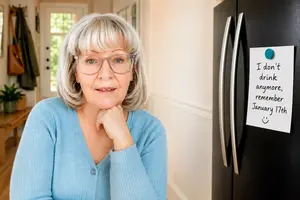
I'm Susan, creator of Live Better Sober, and in January 2028 I'll celebrate 30 years alcohol-free.
Everything on this site comes from my own experience.
I hope that by sharing what I've learned, I can help you break the nightly drinking habit, rediscover yourself, and live better sober, too.
I'm Susan, creator of Live Better Sober, and in January 2028 I'll celebrate 30 years alcohol-free.
Everything on this site comes from my own experience.
I hope that by sharing what I've learned, I can help you break the nightly drinking habit, rediscover yourself, and live better sober, too.
Stay Connected with Live Better Sober
Get new articles, personal stories, podcasts, and practical ideas to help make sober evenings easier.
No lectures. No labels. Just useful support from someone who's been there.


NEWSLETTER
HOME ABOUT CONTACT DISCLAIMER PRIVACY TERMS
FOLLOW US ON:



|
|
|
|
|
SEARCH THIS SITE
LIVE BETTER SOBER IS BASED ON SUSAN GAST'S PERSONAL EXPERIENCE WITH QUITTING ALCOHOL AND LONG-TERM SOBRIETY.
ALL CONTENT COPYRIGHT © 2026 LIVE BETTER SOBER BY SUSAN GAST • ALL RIGHTS RESERVED REGARDLESS OF LINKS OR ATTRIBUTIONS.
POWERED BY SBI! (SOLO BUILD IT!)
